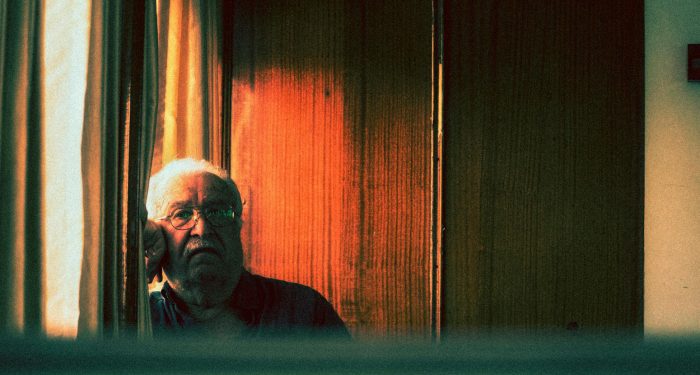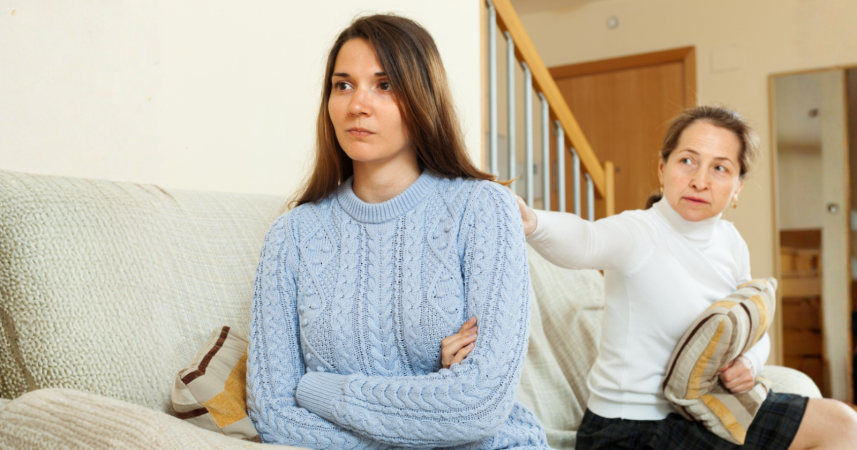
The daughter who brings elaborate meals but leaves after an hour, the son who sends expensive gifts but rarely calls — they're not cold-hearted, they're carbon copies of the parent who once cooked their dinners at midnight while grading papers in another room.
Last week at the grocery store, I overheard two women discussing their grown children. "Mine only calls when he needs something," one said bitterly. "So ungrateful after everything I've done for him." The other nodded knowingly. "They're just selfish these days. We would never treat our parents this way."
I wanted to turn around and tell them what I've learned after 32 years of teaching high school and now, in my seventies, watching my own adult children navigate our relationship: Those distant adult children aren't necessarily selfish or ungrateful. They're often just loving their parents the only way they were taught — from a distance, through provisions rather than presence.
When love looked like leaving
My son Daniel visits twice a year, always with expensive gifts but rarely with time to spare. My daughter Grace manages monthly dinners, though she lives just forty minutes away, always bringing elaborate meals but leaving after an hour. For years, I felt hurt. Now I understand — they're recreating exactly what I modeled for them.
When I was raising them as a single mother after their father left, love meant working double shifts to pay for school supplies. It meant cooking meals they could reheat while I graded papers late into the night. It meant doing laundry at midnight so they'd have clean clothes. I was physically there, but emotionally? I was surviving, not thriving.
Sarah Epstein, a licensed marriage and family therapist, explains that "Emotional unavailability refers to a person's inability to be emotionally present for another person." Looking back, that's exactly what I was — not by choice, but by circumstance and conditioning.
I remember missing Daniel's science fair because parent-teacher conferences ran late. Grace ate dinner alone more nights than I care to count while I tutored students for extra money. I told myself I was being a good mother by keeping a roof over their heads. And I was — but I was also teaching them that love looks like sacrifice from a distance.
The inheritance we don't talk about
This pattern didn't start with me. My own father was a mailman who knew everyone in town by name except, sometimes it seemed, his own daughters. Mom was a seamstress who worked until her fingers ached, making sure we had new dresses for Easter even if it meant she wore the same worn housedress for years.
Lachlan Brown, an author who writes about family dynamics, puts it perfectly: "The discomfort with closeness didn't skip a generation. It was passed along with the same reliability as the family china, just less visibly."
Sunday dinners at my childhood home were mandatory, but conversation was about logistics — who needed what, who was doing what, never how anyone was feeling. My grandmother, who survived the Depression, showed love through darned socks and stretched soup. She never once told my mother she loved her, but she never let her go hungry either.
Research published in The Gerontologist found that the frequency of in-person contact among parents and adult children is influenced by proximity and other family relationships, suggesting that family dynamics play a significant role in visitation patterns. But what the research doesn't capture is how these dynamics are inherited, passed down like DNA through generations of families who equated love with labor.
Learning presence in my sixties
It took my second husband to teach me something different. He would sit with me in the evening, just sitting. No agenda, no purpose, just presence. At first, it made me anxious. Weren't we wasting time? Shouldn't we be doing something productive?
But slowly, I learned the radical act of just being with someone. When Parkinson's took his mobility, we had no choice but to master the art of presence. Those last months, when all we could do was sit together, taught me more about love than my previous sixty years combined.
Now I watch my adult children recreate what I originally modeled. Daniel sends generous checks for my birthday but can't find time for a phone call. Grace brings elaborate meals but always has somewhere else to be. They show love through providing, through doing, through giving things instead of themselves. Just like I taught them.
Breaking patterns one grandchild at a time
Have you ever noticed how much easier it is to see patterns in other people's families than your own? During my teaching career, I counseled countless parents about the importance of quality time. I ran after-school programs about family communication. I preached what I couldn't practice, too overwhelmed by survival to slow down enough to truly connect.
My grandchildren are teaching me what I failed to teach their parents. Every other Saturday, we go to the library together — not because they need books, but because we need time. We bake cookies and make magnificent messes. Last week, my eight-year-old grandson asked me, "Grandma, why do you always have time for us but Mom's always busy?" I told him the truth: "Because I finally learned what matters."
Research indicates that adult children who experienced parental overprotection may distance themselves from their parents in adulthood, as the relationship may have remained centered on responsibility rather than companionship, leading to reduced visits. But what about those of us who weren't overprotective but under-present? The result, I'm learning, is often the same.
The pandemic revelation
COVID forced a reckoning for many families, including ours. Suddenly, Daniel couldn't send presents to replace presence. Grace couldn't drop off groceries and rush away. We had to learn, through screens and masks, how to just be together.
Those video calls where we did nothing but exist in the same digital space taught us more about each other than decades of holiday dinners. We talked about nothing important — his backyard tomatoes, my new watercolor class, movies we'd watched. For the first time in years, we weren't exchanging services; we were sharing presence.
Dr. Goldman, a psychologist, notes that "Parents often crave poignant reminders that they impacted their adult children—especially married or partnered ones—and still hold a place in their lives." But what I've discovered is that we often crave this connection while simultaneously modeling distance, creating the very patterns we later lament.
The gift of less
My knees don't work like they used to. My hands struggle with arthritis. I can't provide the way I once did. But maybe that's the gift — being forced to offer the only thing I have left: myself, present, available, here.
The women in my widow's support group share similar stories. Martha's son sends flowers monthly but hasn't visited in two years. Joan's daughter hired a cleaning service but can't spare an afternoon for tea. We're a generation of mothers who taught our children that love means taking care of business, and now we're confused why they take care of our business from a distance.
I've started writing letters to each grandchild for their 25th birthday — not about what I've done for them or what I hope they'll achieve, but about who they are, what I see in them, how it feels to simply be their grandmother. I want them to know that love isn't just sacrifice and service. It's witness and presence.
Final thoughts
Last month, Daniel called out of the blue. No birthday, no holiday, no reason. "I just wanted to hear your voice, Mom," he said. We talked for two hours about nothing important. When we hung up, I cried — not from sadness, but from recognition. Maybe, finally, we're learning.
The cycle doesn't break all at once. It cracks slowly, through small acts of rebellion against inherited patterns. Our adult children aren't selfish when they love from a distance — they're being the children we raised them to be, loving us the way we loved them. But it's never too late to change the pattern. Every time I choose presence over productivity, every time I ask my children how they're feeling instead of what they need, I'm rewriting our family's definition of love. One imperfect interaction at a time.
If You Were a Healing Herb, Which Would You Be?
Each herb holds a unique kind of magic — soothing, awakening, grounding, or clarifying.
This 9-question quiz reveals the healing plant that mirrors your energy right now and what it says about your natural rhythm.
✨ Instant results. Deeply insightful.
Marlene Martin
Marlene Martin is a retired high school English teacher who spent 38 years in the classroom before discovering plant-based eating in her late sixties. When her daughter first introduced her to the idea of removing animal products from her diet, Marlene was skeptical. But curiosity won out over habit, and what started as a reluctant experiment became a genuine transformation in how she thinks about food, health, and aging.
At VegOut, Marlene writes about nutrition, wellness, and the experience of embracing new ways of eating later in life. She brings a teacher’s instinct for clarity and patience to topics that can feel overwhelming, especially for readers who are just beginning to explore plant-based living. Her writing is informed by personal experience, careful research, and a belief that it is never too late to change.
Marlene lives in Portland, Oregon, where she spends her mornings reading research papers, her afternoons tending a modest vegetable garden, and her evenings knitting while listening to audiobooks. She has three adult children and two grandchildren who keep her honest about staying current.
More Articles by Marlene