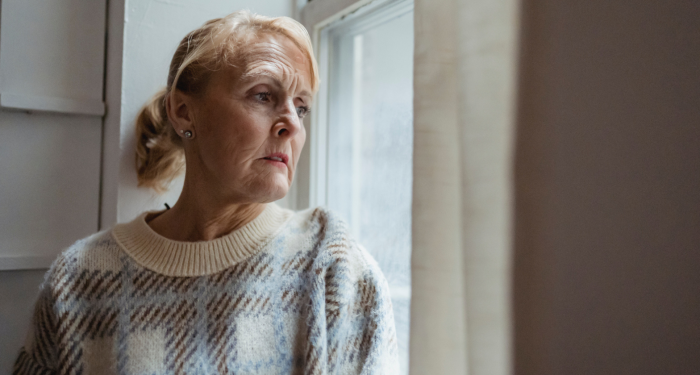
While you scroll past another call from your parent or half-listen to their familiar stories, they're performing desperate daily rituals—from overdressing for grocery runs to hoarding your text messages—that aren't just quirky habits but heartbreaking attempts to prove they haven't become invisible in a world that's already started erasing them.

Add VegOut to your Google News feed. 
Last week, I found myself sobbing in my car after visiting my mother. Not because anything terrible had happened - she'd actually seemed fine, cheerfully showing me her new watercolor paintings and insisting I take home a jar of her homemade strawberry jam. I cried because I suddenly understood that every one of these small gestures was actually a desperate plea I'd been missing for years. She wasn't just sharing hobbies or being generous. She was begging me to see that she still mattered.
They repeat the same stories but with different emphasis each time
Have you noticed how your parent tells that story about their first job, or how they met your other parent, just slightly differently now? Mine does this constantly. The story about teaching her first class of high schoolers used to focus on how nervous she was. Now it emphasizes how she transformed three kids' lives that year. This isn't memory loss or simple repetition. They're mining their past for evidence of significance, desperately panning for gold nuggets of meaning to prove their life amounted to something. Each retelling is a question: "Did I matter? Do I still?"
When they circle back to these stories, they're not forgetting they've told them. They're hoping this time you'll lean in, ask questions, validate that yes, their experiences were remarkable. Yes, their struggles shaped something important. Yes, they are worth remembering.
They save every card and text message you send
My mother keeps a shoebox filled with every birthday card, thank you note, and printed text message I've sent her in the last decade. I used to think it was sweet, maybe a little excessive. But then I realized - these aren't just keepsakes. They're proof of existence. In a world where they increasingly feel invisible, these tangible reminders say "Someone thinks of me. Someone takes the time. I am not forgotten."
That quick "thanks for dinner" text you sent? She reads it five times. The birthday card you grabbed at the drugstore? It lives on her nightstand for months. These aren't just messages to them - they're life rafts in an ocean of irrelevance.
They dress up for the smallest occasions
Why does your father put on his good shirt for a routine doctor's appointment? Why does your mother wear lipstick to the grocery store? This isn't vanity or being stuck in old customs. When the world stops seeing you as a full person and starts seeing you as just "elderly," every small act of self-presentation becomes an act of rebellion.
They're saying, "I am not invisible. I am not just a collection of medical conditions and limitations. I am still a person who deserves to be seen as whole, dignified, and worthy of respect." That carefully chosen outfit for a simple coffee date? It's armor against invisibility.
They offer help you don't really need
"Let me help you with that recipe." "I could come over and watch the kids." "Do you need me to hem those pants?" Even when you're managing fine, even when it would actually be easier to do it yourself, they keep offering. This isn't them doubting your competence. It's them desperately trying to remain useful in a world that's labeled them redundant.
Virginia Woolf once wrote, "The eyes of others our prisons; their thoughts our cages." But what happens when those eyes stop looking altogether? Your parents' constant offers of assistance are attempts to break free from the cage of uselessness, to prove they still have something to contribute beyond just existing.
They document everything with photos
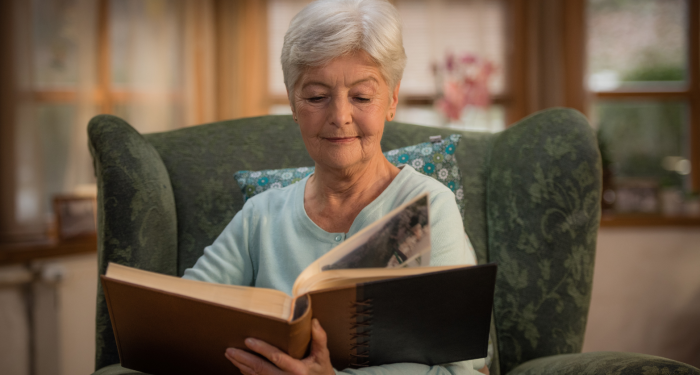
The endless photos at family gatherings, the insistence on group shots, the careful labeling of who's who in old albums - this isn't just memory preservation. Watch closely next time. They're creating evidence that they were part of something, that they stood at the center of a family, that people gathered around them. Each photo is a small insurance policy against being erased.
When my mother pulls out her phone to capture yet another ordinary Sunday dinner, she's not just making memories. She's creating proof: "I was here. This was my table. These people came to see me. I mattered enough for everyone to gather."
They maintain friendships that seem to require enormous effort
Driving forty minutes each way to have coffee with someone they've known for thirty years. Writing actual letters to friends who've moved away. Calling to check on people who rarely call back. This isn't just loyalty or habit. After a certain age, every maintained friendship is a victory against isolation, every continued connection a thread keeping them tethered to relevance.
They know what we haven't learned yet - that friendship in later life requires intentional cultivation because the natural meeting places (work, school events, neighborhood gatherings) have disappeared. Each effortful connection is them refusing to accept the isolation that society assumes is natural for older adults.
They share their wisdom whether you ask for it or not
The unsolicited advice about marriage, parenting, or career choices isn't them being controlling or forgetting boundaries. After accumulating decades of hard-won wisdom - about resilience, loss, love, and survival - being treated as though that knowledge is irrelevant is particularly cruel. When they offer advice, they're really asking, "Doesn't my experience count for something? Haven't I learned anything worth passing on?"
I wrote once about how teaching taught me that expertise without empathy is just arrogance. But what about expertise with empathy that no one wants to hear? That's the special heartbreak of aging - sitting on a lifetime of hard-earned wisdom while the world treats you as if you have nothing left to teach.
They talk about their past accomplishments more frequently
When your parent mentions they once ran a department, raised money for charity, or won an award, they're not living in the past. They're reminding you (and themselves) that they were once considered important, valuable, essential. In a culture that equates worth with current productivity, talking about past achievements is their way of insisting, "I was somebody. I did things that mattered. That person is still me."
Final thoughts
Here's what breaks my heart: Our parents are performing these small acts of desperation every single day, and we're too busy, too distracted, or too uncomfortable with their mortality to really see them. We mistake their cries for recognition as quirky habits or signs of aging, when really they're frantically waving from the shoreline of relevance, hoping we'll notice before they disappear entirely.
The cruelest irony? One day we'll be the ones repeating stories, dressing up for small occasions, and offering help nobody needs. And we'll understand, too late, that all our parents wanted was the one thing that costs nothing but means everything: to be truly seen, genuinely heard, and recognized as still vital, still valuable, still irreplaceably themselves.
If You Were a Healing Herb, Which Would You Be?
Each herb holds a unique kind of magic — soothing, awakening, grounding, or clarifying.
This 9-question quiz reveals the healing plant that mirrors your energy right now and what it says about your natural rhythm.
✨ Instant results. Deeply insightful.
Marlene Martin
Marlene is a retired high school English teacher and longtime writer who draws on decades of lived experience to explore personal development, relationships, resilience, and finding purpose in life’s second act. When she’s not at her laptop, she’s usually in the garden at dawn, baking Sunday bread, taking watercolor classes, playing piano, or volunteering at a local women’s shelter teaching life skills.
More Articles by Marlene