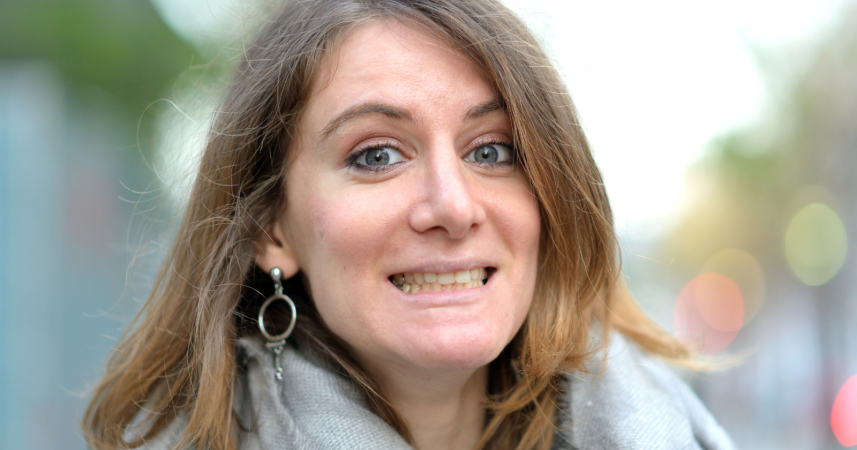
It’s not that they’re bad people or trying to be rude—they just lack social finesse. Often, it’s the subtle things that make the difference. Body language matters, but so does language. The phrases we choose can either invite connection or shut it down.
Some people walk into a room and instantly click with everyone. Others? Not so much.
It’s not that they’re bad people or trying to be rude—they just lack social finesse. Often, it’s the subtle things that make the difference. Body language matters, but so does language. The phrases we choose can either invite connection or shut it down.
If you’ve ever walked away from a conversation thinking, “That was awkward,” the culprit might be hiding in the words themselves.
Here are 10 common phrases people with poor social skills tend to use—and what to say instead.
1. “That’s stupid.”
On the surface, this sounds like blunt honesty. But it’s usually interpreted as dismissive or insulting, especially if the topic is important to someone else.
Why it’s a problem:
It shuts down dialogue and makes the other person feel judged or ridiculed.
Try instead:
“That’s interesting—can you tell me more about how you see it?” or “I’m not sure I agree, but I’d love to understand your perspective.”
2. “You look tired.”
This may be intended as concern, but it usually sounds like: “You look bad.”
Why it’s a problem:
It puts someone on the defensive, especially if they’re self-conscious about their appearance or energy level.
Try instead:
“How’s your day going?” or “Is everything okay?”—open-ended questions that show you care without making assumptions.
3. “That’s nothing—you should hear what happened to me!”
Ah, the conversation hijack. Someone shares a story, and instead of listening, the person immediately turns it into a one-up.
Why it’s a problem:
It signals that you’re not really listening—you’re just waiting for your turn to talk.
Try instead:
“That sounds intense. What happened next?” or “Wow, how did you handle that?”
4. “Relax.”
Usually said when someone is clearly not relaxed. And that’s exactly the problem.
Why it’s a problem:
Telling someone to relax rarely works. It comes off as invalidating their emotions.
Try instead:
“I get that this is frustrating—want to talk about it?” Empathy is always a better bridge than command.
5. “You’re too sensitive.”
This phrase doesn’t just kill conversations—it damages relationships.
Why it’s a problem:
It shifts blame. Instead of acknowledging that something hurt the other person, it implies that the problem is with them for reacting.
Try instead:
“I didn’t mean to upset you—can you help me understand what felt off?” This invites clarity, not conflict.
6. “I’m just being honest.”
Ah yes, the universal excuse for saying something rude.
Why it’s a problem:
Honesty without tact isn’t authenticity—it’s social clumsiness.
Try instead:
Consider context. Is your “truth” necessary, kind, and helpful? If so: “Can I share a thought with you—feel free to tell me if it’s off base.”
7. “Whatever.”
A single word that says so much—mostly, “I’m done with this conversation.”
Why it’s a problem:
It’s passive-aggressive and signals disengagement.
Try instead:
“I’m feeling a bit overwhelmed right now—can we come back to this later?” Assertiveness beats indifference every time.
8. “That’s just how I am.”
This phrase is often used to excuse bad behavior, awkwardness, or social tone-deafness.
Why it’s a problem:
It refuses growth. It tells others you’re not willing to adapt, even if something you’re doing causes harm.
Try instead:
“I’m still working on how I express things—thanks for pointing it out.” That shows humility and social intelligence.
9. “No offense, but…”
Let’s be honest: if you have to preface it like that, you probably know it will offend.
Why it’s a problem:
It doesn’t soften the blow—it just warns the person that you’re about to hit them with one.
Try instead:
Skip the disclaimer. Say it respectfully or don’t say it at all. If it truly needs to be said, try: “Would you be open to some feedback?”
10. “I don’t care.”
It might be meant to sound chill, but it often comes across as cold or dismissive.
Why it’s a problem:
Even if you’re trying to avoid drama, this phrase tells others their feelings or opinions don’t matter.
Try instead:
“I’m okay either way—what do you think?” That still shows flexibility, but with consideration.
Why these phrases matter
Poor social skills aren’t about being “bad at talking.” They’re about being unaware of how your words affect others. Communication is less about speaking and more about connecting.
These 10 phrases can unintentionally cause friction in relationships, make coworkers uncomfortable, or push friends away. The good news? Social skills are learnable. It starts by becoming more intentional with your language.
How to improve your social communication
If you’ve recognized yourself in any of these, that’s a good thing. Awareness is the first step. Here are some tips to keep building those skills:
-
Pause before you speak. Ask yourself, “How might this be received?”
-
Focus on the other person. Let curiosity replace judgment.
-
Practice empathy. Reflect back what others are feeling.
-
Don’t default to defense. Instead of “I didn’t mean it like that,” try “I see how that came across—thanks for pointing it out.”
You don’t need to become a social butterfly. But with just a few tweaks, you can avoid sounding tone-deaf—and start sounding thoughtful.
Final word
Everyone slips up socially sometimes. But when certain phrases keep showing up in your conversations—and you keep getting negative reactions—it might be time for a rethink.
Language is powerful. It can either isolate or connect.
So the next time you’re tempted to say, “Whatever,” or “You’re too sensitive,” pause. Then choose a phrase that builds a bridge instead of burning one.
You might be surprised how quickly your social life improves when your words become just a little more mindful.
What’s Your Plant-Powered Archetype?
Ever wonder what your everyday habits say about your deeper purpose—and how they ripple out to impact the planet?
This 90-second quiz reveals the plant-powered role you’re here to play, and the tiny shift that makes it even more powerful.
12 fun questions. Instant results. Surprisingly accurate.