Change that sticks rarely starts with pressure—it begins with quiet curiosity and choices that feel like your own.
I still remember my first vegan grocery run like a music montage gone wrong.
I stood frozen in the plant milk aisle, staring down oat, almond, soy, cashew, and something mysteriously labeled “pea protein beverage.” I reached for a tub of dairy-free yogurt, only to pause and Google “is coconut yogurt actually healthy?” A kale bundle wilted in my cart while I spiraled about B12.
Ten years later, I can navigate any supermarket blindfolded. I’ve hosted tofu Thanksgiving. I’ve explained to well-meaning uncles that no, fish isn’t a vegetable. And yet—I’ve never once told someone else they should go vegan.
Here’s why. And what it’s taught me about change, habits, and building a life that actually works for you.
The beginning wasn’t about being “better.” It was about being curious.
At first, veganism felt like an experiment.
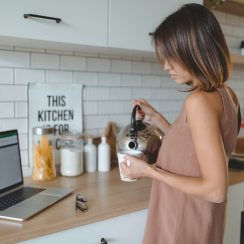
I didn’t grow up with food rules. Our family dinners were deliciously chaotic—enchiladas next to frozen pizza next to a half-hearted side salad. But in my early 20s, my energy levels were tanking. I’d get afternoon crashes so hard I’d cancel evening plans. A friend casually mentioned that cutting out dairy helped her, so I tried it.
It wasn’t a grand ethical stance. It was more like tinkering with the settings of my own operating system.
That tiny shift made me realize how much food affected my mood, focus, and sleep. I started reading labels. Swapping things out. I discovered tempeh and fell in love (with tempeh, not a person—though that came later).
Over time, I did go fully vegan. But not because someone gave me a 20-slide presentation. It happened like most real change: gradually, imperfectly, and with a lot of trial and error.
Pushing people usually backfires. Sharing curiosity opens doors.
There’s something funny that happens when people find out you’re vegan.
They immediately brace for judgment. At dinner, someone will say, “Ugh, I know I should eat healthier,” while shoveling fettuccine. I didn’t say a word.
We’re wired to protect our identities, especially around food. It’s not just about nutrition—it’s culture, memory, comfort. Trying to muscle someone into changing their diet is like telling them their grandma’s cooking was morally flawed. It rarely goes well.
Instead, I’ve learned to keep things light. If someone’s curious, I share my go-to meals or how I batch-cook lentils like it’s a skincare routine. But I never lead with “you should.”
Because here’s the truth: the best changes stick when we feel invited, not pushed.
We confuse the choice with the identity. That’s what gets us stuck.
For a while, I clung tightly to being a “perfect vegan.” I’d triple-check ingredients. I’d agonize over honey in a granola bar. I once called a restaurant to ask about Worcestershire sauce. (Spoiler: it contains anchovies.)
Eventually, I realized something: I wasn’t making choices anymore—I was performing a role.
There’s a difference between doing something because it aligns with your values and doing it because you don’t want to “fail” at being the kind of person who does that thing.
This showed up outside of food, too. Like sticking with a job that didn’t fit because I should be grateful. Or overcommitting to social plans because I didn’t want to seem flaky.
Letting go of the “perfect vegan” identity helped me reframe everything. Now I ask: Does this choice help me feel clear, calm, and grounded? If yes, I do it. If not, I tweak.
Habits don’t have to be dramatic to be powerful
There’s a running joke that vegans will tell you they’re vegan within five minutes. I try to be the opposite.
But when people do ask, they’re usually surprised by how chill I am about it. “You’ve done this for a decade?” they ask. “How?!”
Here’s the thing: I didn’t do anything heroic. I just layered in small routines that made the default option easier.
-
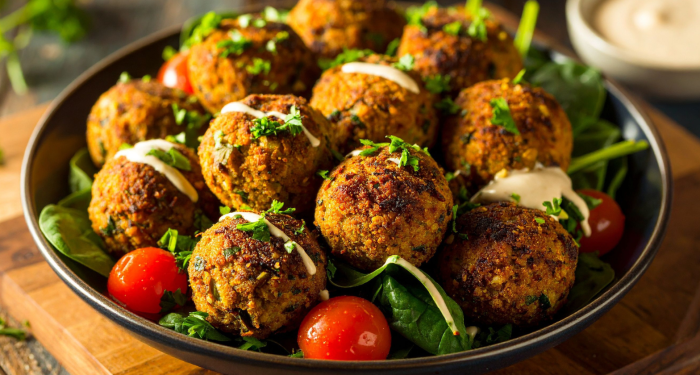
I learned 3 dinners I could cook on autopilot, like my tofu-tahini bowl or chili with quinoa.
-
I started prepping smoothie packs on Sunday so I didn’t reach for sugary cereal.
-
I kept snacks in my bag so I wasn’t at the mercy of vending machines.
None of this is flashy. But it builds what I call “identity infrastructure”—the stuff that makes your choices frictionless.
You don’t need to overhaul your life. You just need to create a system that supports who you want to be, especially on days when motivation is nowhere to be found.
Agency doesn’t mean doing it all. It means choosing what matters.
Sometimes, people assume veganism makes me feel limited. But honestly, I’ve never felt more in charge of my choices.
There’s this strange paradox: the more intentional you are, the more freedom you feel. Not because you have endless options—but because you know what matters to you.
That clarity spills into everything. I’ve become more mindful about how I spend my mornings (I journal now, even if it’s just three lines). I’ve gotten better at noticing when I need rest, not more productivity hacks. I’ve become more curious about my own patterns—what energizes me, what drains me, and what helps me reset.
It’s not that veganism taught me to be perfect. It taught me to pay attention.
Final words
The point of this story isn’t to convince you to go vegan.
It’s to remind you that change doesn’t have to be loud to be lasting. That your path might look different from someone else’s—and that’s not just okay, it’s kind of the whole point.
If something feels interesting, follow the thread. Tinker. Observe how it makes you feel. Keep what works. Leave the rest.
That’s how we grow—not by forcing a new identity on ourselves, but by choosing the habits that help us feel most like ourselves.
Even if that means standing in the oat milk aisle, not knowing where to begin.
You’re allowed to start small.
What’s Your Plant-Powered Archetype?
Ever wonder what your everyday habits say about your deeper purpose—and how they ripple out to impact the planet?
This 90-second quiz reveals the plant-powered role you’re here to play, and the tiny shift that makes it even more powerful.
12 fun questions. Instant results. Surprisingly accurate.