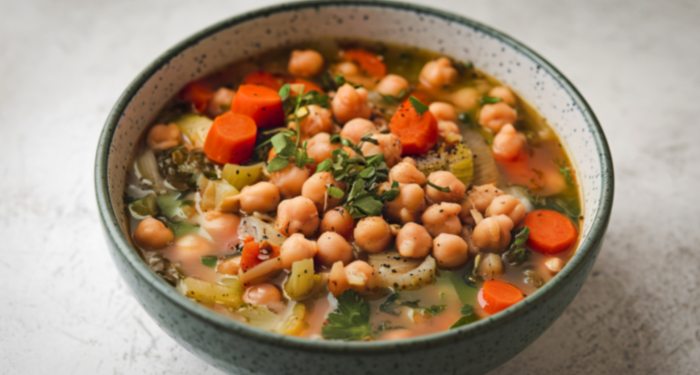
The foods that lived in your childhood fridge reveal more about your class background than you might realize—here are eight staples that marked an upper-middle-class upbringing
Class isn't just about income. It's about the unexamined habits that feel normal until you realize not everyone grew up the same way.
I didn't understand this until college, when a roommate from a different background opened my fridge and asked why I had three types of mustard. To me, having Dijon, whole grain, and yellow mustard was just... standard. To him, mustard was mustard, and having multiple varieties was bizarre.
That moment cracked open a door. I started noticing all the foods that had always lived in my childhood fridge in suburban Sacramento. Foods that seemed universal but were actually markers of a specific economic reality.
Upper-middle-class childhoods have a distinct culinary signature. It's not about caviar and truffles. It's about the everyday staples that signal a particular relationship with food, health consciousness, and disposable income.
Here are eight foods that were probably always in your fridge if you grew up upper-middle-class.
1) Multiple types of cheese beyond the basics
Upper-middle-class fridges didn't just have cheese. They had a cheese drawer with variety.
There was always sharp cheddar for sandwiches, of course. But there was also brie for when guests came over, goat cheese for salads, parmesan that came in a wedge rather than a green can, and maybe some gruyere or manchego just because.
This wasn't about being fancy. It was about having options and treating cheese as an ingredient worthy of consideration rather than just a yellow slice for a sandwich.
My grandmother kept at least four types of cheese in her fridge at all times, even though she grew up with much less. When she finally had the means, cheese variety became one of her small luxuries. She'd serve a cheese plate before Thanksgiving dinner like it was the most natural thing in the world.
The cheese drawer signals that food isn't just fuel. It's an experience, and different occasions call for different expressions.
2) Organic milk or alternative milk options
Long before oat milk became trendy, upper-middle-class families were buying organic milk or experimenting with alternatives.
The regular milk in the fridge often had an organic label, sometimes from a local dairy. Or the fridge held soy milk, almond milk, or rice milk years before these became mainstream options.
This wasn't necessarily about taste. It was about health consciousness and the financial ability to pay double for milk because the label promised something better.
Growing up, my parents switched to organic milk when I was in middle school. The cost difference was significant, but they'd read something about hormones in conventional milk and decided it mattered. That decision was only possible because they could absorb the extra expense without rethinking the grocery budget.
The milk choice signals both health awareness and the privilege of prioritizing long-term wellness over immediate cost savings.
3) Fresh herbs instead of just dried spices
Upper-middle-class fridges had little bunches of fresh herbs taking up space in the produce drawer.
Basil, cilantro, parsley, dill, or thyme appeared regularly, not just for special occasions. Sometimes they'd go bad before getting used, but that waste was acceptable because fresh herbs elevated everyday cooking.
The presence of fresh herbs signals a relationship with cooking that goes beyond necessity. It suggests someone in the household views meal preparation as a creative act worth investing in.
My partner's family always had fresh herbs, while mine relied mostly on dried. When we started living together in Venice Beach, she introduced me to keeping herbs on hand. Now our little balcony garden grows basil, mint, and rosemary year-round. It's become one of those small luxuries that feels essential once you're used to it.
Fresh herbs represent the difference between cooking to eat and cooking as an expression of care and attention.
4) Hummus and other prepared dips
The upper-middle-class fridge always had hummus, even before it became ubiquitous.
There was usually fancy hummus from Whole Foods or a local brand, not just any store brand. Maybe roasted red pepper or garlic herb varieties. Often there were other prepared dips too—tzatziki, baba ganoush, or artichoke spread.
These weren't for parties. They were regular snacks, paired with vegetables or pita chips for after-school eating or quick lunches.
The constant presence of prepared dips signals two things: enough disposable income to pay for convenience, and a food culture that values Mediterranean or health-conscious eating patterns over traditional American snack foods.
I've mentioned this before, but when I first went vegan eight years ago, hummus became my go-to protein source. Having grown up with it in the fridge made the transition easier. Friends who didn't have that background often viewed hummus as exotic or intimidating.
5) Real butter and olive oil, never margarine
Upper-middle-class families used butter, not margarine. And not just any butter—often European-style butter with higher fat content.
The olive oil wasn't generic either. There were multiple bottles: one for cooking, one better quality for finishing dishes or making salad dressing. Sometimes there was fancy olive oil in a decorative bottle that cost thirty dollars and was used sparingly.
This wasn't snobbery. It was a particular relationship with fat that prioritized quality and taste over cost or health trends.
My parents switched from margarine to butter in the nineties when the science shifted on trans fats. They could afford to make that change immediately. Many families couldn't or didn't, and margarine remained standard for years longer.
The butter and olive oil choices signal both financial flexibility and engagement with evolving food culture and nutrition science.
6) Specialty condiments beyond ketchup and mustard
That moment with my college roommate really stayed with me. His reaction to my multiple mustards made me realize how unusual it was to have a condiment collection.
Upper-middle-class fridges had doors packed with specialty items. Capers, cornichons, fancy mayonnaise, several types of hot sauce, chutney, pesto, tahini, miso paste, fish sauce for Thai cooking, or authentic soy sauce from an Asian market.
These ingredients often came from a specific recipe someone made once, then lived in the fridge for months. But their presence indicated a household that experimented with different cuisines and could afford to keep specialty ingredients on hand even if rarely used.
The condiment collection signals both culinary curiosity and the economic freedom to accommodate that curiosity without worrying about wasted space or money.
7) Pre-washed salad greens in plastic containers
Before pre-washed greens became standard everywhere, upper-middle-class families were buying those plastic containers of mixed greens, baby spinach, or arugula.
Heads of lettuce cost less and lasted longer, but pre-washed greens saved time. That time-saving came at a significant premium, both in cost and environmental impact with all that plastic packaging.
Having these greens constantly available meant salads appeared at dinner regularly, not just occasionally. The convenience factor removed barriers to healthy eating.
Growing up, we always had these containers in the crisper drawer. My mom worked full-time and didn't have energy to wash and tear lettuce every night. The pre-washed greens meant we ate vegetables more consistently.
This choice signals that time is valuable enough to pay for convenience, and that healthy eating is a priority worth investing in.
8) Greek yogurt and other premium dairy products
Years before Greek yogurt became mainstream, upper-middle-class fridges had small containers of expensive yogurt with unfamiliar brand names.
This was thick, tangy yogurt that cost three times what regular yogurt cost. Sometimes it was plain, sometimes flavored with real fruit rather than syrup. Often there were other premium dairy products too—crème fraîche, mascarpone, or quality cottage cheese.
The presence of these items signals health consciousness combined with willingness to pay for perceived quality and authentic ingredients.
My partner grew up eating Greek yogurt for breakfast every day. When we met, she was shocked that I'd never tried it. To her, it was standard breakfast food. To me, it was a specialty item I'd only seen in expensive grocery stores.
Premium dairy products represent a food culture that values protein content, probiotic benefits, and ingredient quality over cost efficiency.
Conclusion
These foods aren't about being better or worse. They're about recognizing that class shapes our most basic daily experiences, including what feels normal to find in the fridge.
Growing up upper-middle-class meant access to variety, quality, and convenience that required disposable income. It meant absorbing food values about health, experimentation, and ingredient quality that not everyone could afford to prioritize.
Understanding these markers isn't about guilt or judgment. It's about recognizing privilege and how it operates in subtle, everyday ways.
The foods in your childhood fridge helped shape your relationship with eating, cooking, and food culture. They influenced what seems normal versus exotic, what feels like a necessity versus a luxury.
That awareness matters because it helps us understand that our food choices aren't just personal preferences. They're shaped by economic realities that not everyone shares.
What’s Your Plant-Powered Archetype?
Ever wonder what your everyday habits say about your deeper purpose—and how they ripple out to impact the planet?
This 90-second quiz reveals the plant-powered role you’re here to play, and the tiny shift that makes it even more powerful.
12 fun questions. Instant results. Surprisingly accurate.