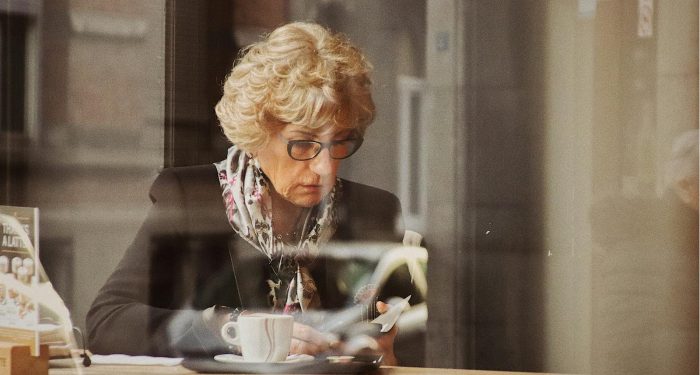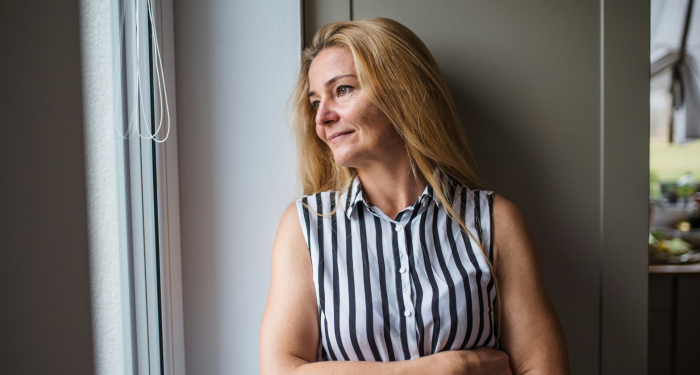
As she donated her beloved red stilettos, a 70-year-old woman discovered that the secret to happiness in later life isn't about holding on tighter—it's about knowing what to finally let go.
Yesterday morning, I found myself standing in my closet, holding a pair of red stilettos I hadn't worn in three years. They were gorgeous, expensive, and completely impractical for my life now.
As I placed them in the donation box, I felt an unexpected lightness wash over me. It wasn't just about the shoes. It was about finally understanding that letting go isn't loss; it's liberation.
When we reach our 60s and 70s, we've accumulated decades of stuff - not just physical objects, but emotional baggage, outdated beliefs, and relationships that no longer serve us. The art of letting go becomes essential for creating space for what truly matters in this precious stage of life.
1) The need to please everyone
For most of my life, I was a chronic people-pleaser. I'd say yes when I meant no, attend events I dreaded, and twist myself into emotional pretzels to avoid disappointing anyone. It wasn't until therapy in my 50s that I realized this exhausting pattern was stealing my peace.
Now, in my 70s, I've discovered the profound freedom that comes with disappointing people occasionally. When you stop trying to be everything to everyone, you finally have energy to be something meaningful to the people who matter most.
Your true friends will respect your boundaries. Those who don't? Well, that tells you everything you need to know.
2) Guilt over past parenting mistakes
Have you ever lain awake at 3 AM, replaying moments when you wish you'd been a better parent? I spent years carrying guilt about the times survival mode made me less present for my children than I wanted to be.
Working full-time, managing a household, dealing with life's curveballs - sometimes I was just trying to make it through the day.
The turning point came when I apologized to my adult children for specific things I wished I'd done differently. Their response surprised me: They barely remembered half of what I agonized over, and they understood far more than I'd given them credit for.
They didn't need a perfect mother; they needed a real one. Releasing that guilt opened space for deeper, more honest relationships with them now.
3) The accumulation of possessions
When I downsized my home two years ago, I faced boxes of china I'd used twice in twenty years, closets full of clothes with tags still on, and enough books to start a small library. Each item seemed to whisper, "But what if you need me someday?"
The truth I discovered through that process was transformative: Experiences weigh nothing but mean everything. The space I created by letting go of excess possessions has given me room to breathe, both literally and figuratively.
Now, instead of dusting knick-knacks, I'm taking art classes. Instead of organizing stuff, I'm organizing adventures.
4) Toxic or draining relationships
"When someone shows you who they are, believe them the first time," Maya Angelou once wrote. Yet how many of us maintain relationships out of obligation, history, or fear of being alone? In our 60s and 70s, time becomes too precious to spend with people who consistently drain our energy or dismiss our feelings.
I've learned that a small circle of genuine friends beats a large network of acquaintances every time. Quality over quantity isn't just a nice idea; it's essential for emotional wellbeing at this stage of life.
Those friends who celebrate your successes without jealousy, who show up during tough times without being asked, who make you laugh until your sides hurt - these are the relationships worth nurturing.
5) The perfect body image
Remember those red stilettos I mentioned? Giving them up was about more than decluttering. It was about accepting that my body has earned the right to be comfortable.
My feet have carried me through decades of life, and they deserve better than being crammed into painful shoes for the sake of vanity.
Our bodies at 60 and 70 tell stories of resilience, of children carried, of challenges overcome.
Every line, every change is evidence of a life lived. When we stop chasing an impossible standard of youth and start appreciating our bodies for their faithful service, we discover a peace that no amount of anti-aging cream could ever provide.
6) The belief that it's too late to change
Who says you can't start something new at 70? I began writing at 66 after retiring from teaching, and it's brought me more joy than I could have imagined.
Recently, I explored Your Retirement Your Way by Jeanette Brown, and her guidance reminded me that retirement isn't an ending but a beginning for reinvention. I wish I'd had this resource when I first retired, as it reinforced something crucial: Our identity exists far beyond our career titles.
The course inspired me to see that wholeness comes from discovering yourself outside professional roles, something I'm still exploring every day. Age is just a number on a calendar. Your capacity for growth, change, and new experiences remains as long as you're breathing.
7) Resentments and old grudges
Carrying resentment is like drinking poison and expecting the other person to get sick. Yet how many of us harbor decades-old grievances that the other person probably doesn't even remember? In our 60s and 70s, we simply don't have time for the luxury of nursing old wounds.
Forgiveness doesn't mean what happened was okay. It means you're choosing your peace over your pain. Sometimes the person you need to forgive most is yourself.
As I've written in previous posts about resilience, the energy we waste on resentment could be channeled into creating something beautiful in our remaining years.
8) The need to have all the answers
There's something wonderfully liberating about admitting you don't know everything. After decades of being the responsible adult, the one with answers, the problem-solver, you can finally embrace the beauty of uncertainty and curiosity.
"I don't know" has become one of my favorite phrases. It opens doors to learning, to asking for help, to seeing the world through fresh eyes. When we release the pressure to be the expert, we become students of life again, and that's where the magic happens.
9) Fear of aging and death
This might be the heaviest item on our list, but also the most important to address. Fear of aging and death can cast a shadow over what should be some of our most golden years.
But here's what I've learned: When we accept our mortality, we start living more fully.
Instead of dreading each birthday, what if we celebrated another year of experiences, growth, and love? Instead of fearing the unknown, what if we trusted in the natural cycle that every living thing follows?
This acceptance doesn't come overnight, but when it arrives, it brings a profound sense of peace.
Final thoughts
Letting go isn't about giving up; it's about making room for what truly matters.
Each thing we release - whether it's a pair of shoes, an old grudge, or an outdated belief about ourselves - creates space for joy, connection, and new experiences.
Your 60s and 70s aren't about winding down; they're about finally having the wisdom to know what's worth holding onto and what's worth releasing. The art of letting go is really the art of choosing what stays, and in that choice lies your freedom.
What’s Your Plant-Powered Archetype?
Ever wonder what your everyday habits say about your deeper purpose—and how they ripple out to impact the planet?
This 90-second quiz reveals the plant-powered role you’re here to play, and the tiny shift that makes it even more powerful.
12 fun questions. Instant results. Surprisingly accurate.