After decades of being constantly surrounded by people, discovering that solitude isn't just bearable but genuinely delightful might be retirement's most unexpected gift.

Add VegOut to your Google News feed. 
Last Thursday morning, I found myself laughing out loud at breakfast.
Not at a podcast or a funny text, but at a memory that suddenly surfaced while I was spreading marmalade on toast. There was no one to share it with, no one to explain why I was giggling over my coffee. And that was perfectly fine. Actually, it was more than fine—it was delightful.
Three years into retirement, I've discovered something that would have terrified my younger self: I genuinely enjoy my own company. Not in a forced, "making the best of it" way, but in a deep, contented way that surprises even me.
After 32 years in the classroom, constantly surrounded by teenagers and colleagues, I've learned that solitude isn't something to endure—it's something to savor.
1) They create morning rituals that honor silence
My mornings begin at 5:30 now, not because an alarm demands it, but because my body has learned to greet the day gently.
The first hour belongs entirely to me and my thoughts. No news, no phone, no voices except the ones in my own head. I make tea in my favorite mug—the one with a chip on the handle that fits my thumb perfectly—and sit with my journal.
This silence isn't empty. It's rich with possibility, like a blank canvas waiting for the day's first brushstroke. I've learned to listen to my thoughts without immediately drowning them out with distraction. Sometimes profound insights emerge. Sometimes I just plan my grocery list.
Both are equally valid conversations with myself.
2) They maintain their space as if hosting their favorite guest
When was the last time you lit a candle just for yourself? Or used your good dishes for a solo lunch? I do both regularly now. My living room always has fresh flowers from my garden, and I eat my morning eggs on the china I used to save for company.
The shift happened gradually. One day I realized I was waiting for "special occasions" that rarely came, while ordinary Wednesdays passed by unnoticed. Now my home is arranged for my pleasure alone.
The reading chair positioned just right for the afternoon light, the softest throw blanket within easy reach, the books I'm currently reading displayed where I can see them. I am both the host and the honored guest in my own life.
3) They pursue learning for pure joy, not achievement
Do you remember the last time you learned something just because it fascinated you?
Not for a grade, not for a promotion, not to impress anyone? At 68, I started teaching myself watercolor painting. My trees look like green blobs and my attempts at perspective would make an art teacher weep. But watching colors bleed into each other on wet paper fills me with the same wonder I felt as a child with finger paints.
The freedom to be mediocre at something is intoxicating. There's no report card coming, no performance review. Just me, some paint, and the pleasant challenge of trying to capture the way morning light hits my kitchen window.
4) They cultivate relationships with the non-human world
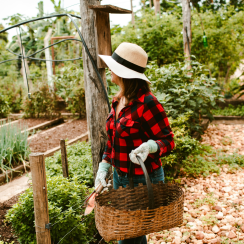
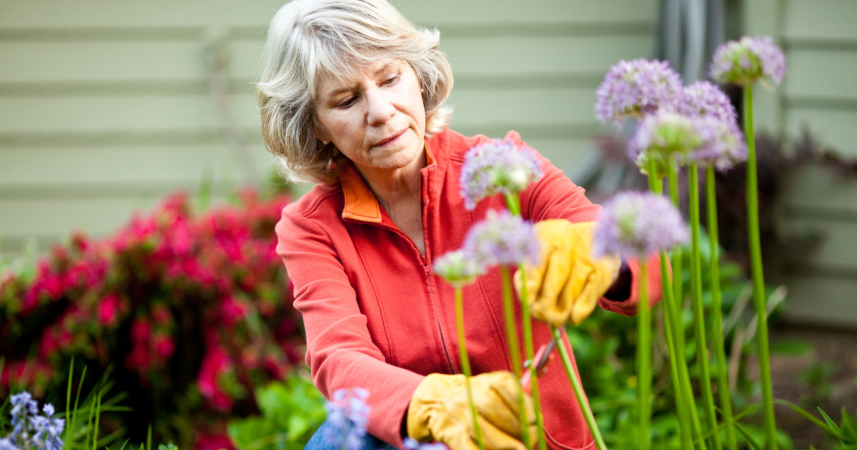
My garden knows me better than most people do. The cardinal who visits my feeder at 7 AM is more punctual than any friend I've had. These relationships ask nothing of me except presence and care. No small talk, no managing emotions, no social calculations.
I talk to my tomato plants about the weather and tell the neighborhood cat about my day. This isn't loneliness—it's connection without complication. The natural world offers steady companionship to those who pay attention.
The oak tree in my yard has been there longer than I have and will remain long after. There's comfort in that continuity.
5) They structure their days with purpose, not obligation
Retirement can feel like standing at the edge of an ocean of time with no idea how to swim. The structure I've created isn't about filling empty hours—it's about choosing how to spend precious ones. Monday mornings at the library, Wednesday walks through the park, Friday afternoon baking.
These aren't rigid requirements but gentle rhythms that give shape to my weeks. The difference between my teaching schedule and my retirement routine is choice. Every activity on my calendar is there because I decided it should be, not because someone else required it.
6) They practice gratitude as conversation with themselves
Each evening, I write three things I'm grateful for. But this isn't the performative gratitude of social media posts. It's an intimate review of my day, a way of telling myself, "I noticed that. It mattered."
Yesterday's list included the way steam rose from my soup pot, a paragraph in a novel that made me pause, and finding the perfect avocado at the grocery store. Small things, private things. When you practice gratitude alone, you're really practicing presence. You're becoming the appreciative witness to your own life.
7) They embrace their quirks without apology
I eat ice cream for breakfast sometimes. I reread the same mystery novels even though I know who did it. I have elaborate conversations with myself while doing dishes, complete with hand gestures and different voices for different perspectives.
There's no one here to raise an eyebrow or ask for explanations. This freedom to be genuinely yourself, without translation or justification, is one of solitude's greatest gifts. When you truly enjoy your own company, you stop editing yourself for an imaginary audience.
8) They create meaningful work that no one might ever see
In my desk drawer are seventeen letters to my future great-grandchildren who don't exist yet. I'm creating a cookbook of family recipes with the stories behind them. Last month, I wrote a ten-page essay about my mother's hands that no one will ever read.
This work matters because I've decided it matters. When you're comfortable alone, you stop needing external validation for your creative efforts. The joy is in the making, not the applause.
9) They befriend their own stories without needing an audience
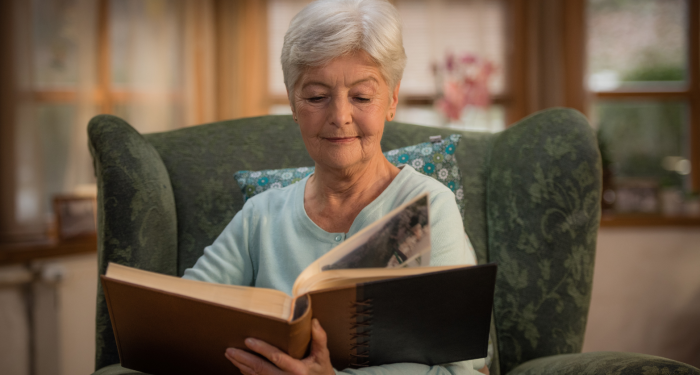
I can sit with my photo albums for hours, reliving moments without needing to narrate them to anyone else. The trip to Maine when I was twelve, my first day teaching, the afternoon I learned I was going to be a grandmother—these stories are complete even without a listener.
I've become both the teller and the audience of my own life story, and I find I'm quite good company. The memories don't need validation from others to be real or meaningful. They're mine, and that's enough.
Final thoughts
Being alone without being lonely isn't about being antisocial or fiercely independent.
It's about developing such genuine affection for yourself that your own company becomes not just tolerable but truly enjoyable. The retirees who master this art aren't running from connection—they're running toward a deeper relationship with themselves.
After all those years of being needed by others, retirement offers the gift of time to discover that the person most deserving of your attention, kindness, and companionship has been with you all along. Yourself.