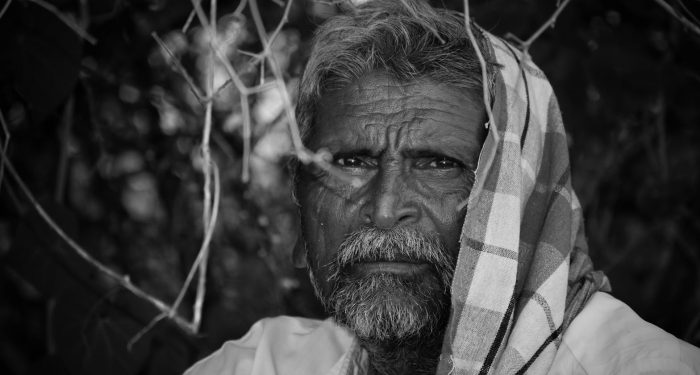
When researchers studied why immigrant children become compulsive problem-solvers, they discovered these kids weren't born fixers — they were reading financial stress in their parents' faces and translating crisis into action before they could even ride a bike.

Add VegOut to your Google News feed. 
The smell of lamb and oregano mixed with the sharp tang of industrial dishwasher steam - that's what homework smelled like when you grew up in the back of a restaurant kitchen.
While other kids sat at kitchen tables, I balanced algebra equations between the prep station and the walk-in fridge, watching my father run the souvlaki shop while my mother juggled supplier invoices in one hand and worry beads in the other.
I thought this was just our family's particular brand of chaos. Turns out, I was witnessing something much bigger - a pattern that psychology is only now beginning to understand about immigrant families and the invisible burdens their children learn to carry before they've even lost all their baby teeth.
Love looked different in immigrant households
Here's what nobody tells you about growing up as the child of immigrants: you become fluent in a language that has no words.
You learn to read the tension in your mother's shoulders when bills arrive. You know which silence means money troubles and which means immigration paperwork. By eight years old, you're already a translator - not just of language, but of entire worlds.
Think Global Health found that "Children of Asian, Pacific Island, and Latinx immigrants have significantly higher rates of depression, anxiety, and post-traumatic stress disorder compared to the children of white European immigrants." But here's what those statistics don't capture: these kids aren't just stressed. They're carrying adult-sized responsibilities in child-sized bodies.
In my family's souvlaki shop, love looked like my mother keeping the books while stirring soup, managing suppliers while teaching us multiplication tables. Love was problem-solving before problems even announced themselves. It was anticipating needs nobody voiced.
And somehow, without anyone saying it out loud, we kids absorbed this definition like we absorbed the smell of garlic and lemon that never quite left our clothes.
The invisible labor starts before double digits
You want to know when immigrant kids become caretakers? Watch a seven-year-old at a parent-teacher conference, translating not just words but entire educational systems. Watch them explain American report cards to parents who learned math with an abacus. These children become bridges before they learn to ride bikes.
Research from SpringerLink indicates that "immigrant adolescents' strong sense of family obligations and positive school adjustment contribute to their adaptation, suggesting that these children often assume responsibilities beyond their years to support their families."
But it starts way earlier than adolescence. By the time I was nine, I knew which bills were urgent by the color of the envelope. Red meant final notice. White meant we had time. This wasn't taught - it was absorbed through osmosis, the way you learn your mother's moods by the way she chops onions.
The economics of emotional labor
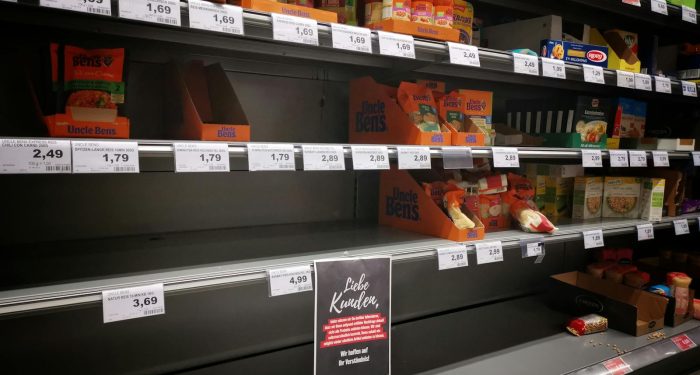
Money talks differently in immigrant households. It whispers threats and shouts emergencies. About half of immigrant parents report increased difficulty earning a living, according to the Kaiser Family Foundation, with "52% of immigrant parents say that it has been harder to earn a living since January 2025."
What happens to kids in these households? They become little economists. They learn to read the family budget in their parents' faces. They stop asking for things before being told no. They become fixers because problems cost money the family doesn't have.
I spent years in therapy after my divorce unpacking this pattern. The therapist kept asking why I felt responsible for everyone's happiness. The answer was simple: in immigrant families, happiness is a luxury. Solving problems is survival.
When caring becomes identity
The Center for the Study of Child Care Employment notes that "Immigrant grandmothers are central to the FFN care system, offering culturally enriched, multilingual, and intergenerational care, with a strong sense of identity and personal commitment."
This commitment doesn't skip generations - it gets passed down like family recipes, except instead of ingredients, you're inheriting obligations.
Growing up Greek-Canadian in Hamilton, I watched this inheritance happen in real time. My grandmother, who spoke mostly Greek, cared for us while my parents worked. My mother cared for the business while caring for us. And somehow, without anyone asking, I started caring for my younger siblings while caring about the cash register receipts.
No kidding. By the time you're an adult, you don't know how to exist without someone else's problem to solve.
The paradox of strength through struggle
Here's the twist nobody expects: these patterns that exhaust us also build us. PubMed research shows that "Immigrant parents used problem-focused coping, avoidance coping, spiritual coping, and social support to manage their challenges. Parents who received social, emotional, and instrumental support were more resilient."
Their children inherit these coping mechanisms like hand-me-down coats - they don't quite fit, but they keep you warm. You learn resilience before you learn cursive. You understand community before you understand yourself.
Now I donate consulting hours to immigrant families starting food businesses. Not because I'm particularly noble, but because I recognize that specific exhaustion in their kids' eyes - the one that comes from translating loan applications at age ten, from being the family IT department before you've had your first kiss.
Final words
If you grew up as the child of immigrants and became everyone's problem-solver, you're not broken. You're not even unusual. You're the product of a love that expressed itself through survival, through anticipation, through solving problems in the dark so nobody else had to see them in the light.
The work now isn't to stop caring - that's like asking you to stop breathing. The work is to recognize that love can look like boundaries too. That sometimes the most caring thing you can do is let other people solve their own problems. That the child who learned to read crisis in the curve of their mother's spine deserves to put that burden down and stand up straight.