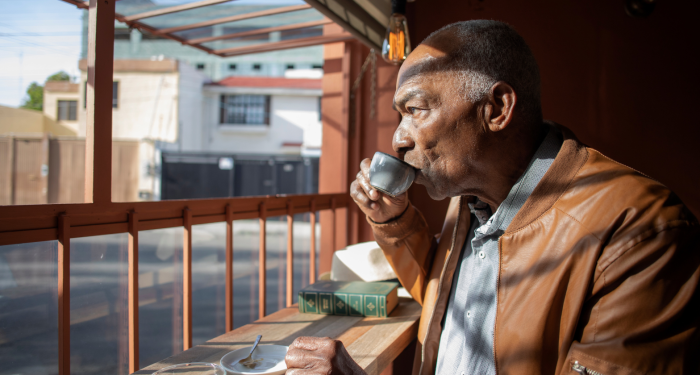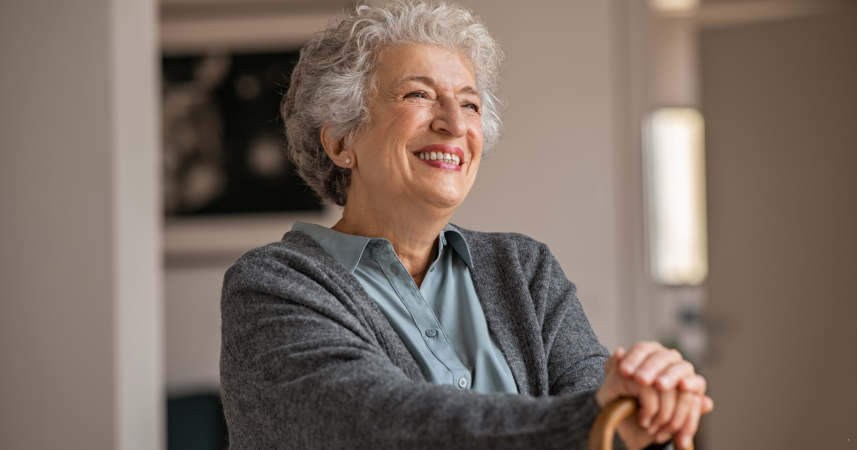
New research reveals that thriving at 85 versus declining at 70 has less to do with gym memberships and more to do with who decides what you eat for breakfast—and the answer might transform how we think about aging.
Ever wonder why my 87-year-old grandmother still lives alone, drives herself to the food bank every Saturday to volunteer, and manages her own schedule while some of her friends moved into assisted living years ago?
Last Thanksgiving gave me the answer. She was making her famous green bean casserole when she paused, looked at me, and said, "I'm making a separate vegan version for you in this pan." Small gesture, huge revelation. She wasn't just cooking - she was making decisions, adapting recipes, controlling her kitchen, her way.
That moment crystallized something I'd been reading about in aging research. The difference between those who thrive into their late 80s and those who decline rapidly after 70 isn't just about physical health. It's about something far more fundamental: maintaining control over the daily decisions that shape our lives.
1) The power of everyday autonomy
Think about your typical morning. You decide when to wake up, what to eat for breakfast, whether to have that second cup of coffee. These seem trivial, right?
Not according to the research. A study on older adults' perceived autonomy found that maintaining decision-making authority over daily activities is directly linked to improved quality of life and satisfaction with daily routines.
It's not about making big life decisions. It's about choosing your own breakfast cereal. Deciding when to water your plants. Picking what time you want to eat dinner.
My grandmother still decides everything about her day. She chooses when to go grocery shopping (always Wednesday mornings, but that's HER choice), what to cook for dinner, and yes, even whether to make that extra vegan dish for her grandson.
2) Why physical fitness alone isn't enough
Here's what surprised me: You can be physically fit and still decline rapidly if you lose autonomy over your daily life.
Abby King, PhD, Professor of Epidemiology and Population Health at Stanford Medicine, notes: "We have a number of studies showing that even people who were very inactive were able to gain fitness and wellbeing benefits by increasing their regular physical activity levels in ways that fit their abilities."
But here's the kicker - it's the "in ways that fit their abilities" part that matters. When older adults choose their own exercise routines, decide when to walk, or pick their own activities, they're exercising autonomy alongside their bodies.
The Finnish American Village found that regular exercise not only keeps the body strong but also helps maintain balance, flexibility and mobility, reducing the risk of falls and injuries that can impact independence. But it's the independence to choose that exercise that makes the real difference.
3) The social connection paradox
Have you noticed how some older adults become more vibrant when they stay socially active, while others seem to withdraw?
The Activity Theory of Aging suggests that "the aging process is slowed or delayed, and quality of life is enhanced when the elderly remain socially active."
But here's what they don't always mention: it has to be social activity they choose. Forced social programs in care facilities? Not the same impact. My grandmother chooses to volunteer at the food bank. She picks which friends to have coffee with. She decides when she wants company and when she wants solitude.
4) Small decisions, massive impact
I've mentioned this before, but the compound effect of small decisions is real. And nowhere is this more apparent than in aging.
Research on self-efficacy in older adults shows that those with higher perceived autonomy maintain their daily activities and independence better, even after experiencing falls.
What does this look like in practice? It's the 85-year-old who still:
- Manages their own medication schedule
- Decides what groceries to buy
- Controls their thermostat
- Chooses their bedtime
Compare that to someone who has all these decisions made for them, even with the best intentions. The psychological impact is profound.
5) The communication key
How do you accept help while maintaining independence? This question haunts many aging adults.
Uber Health puts it perfectly: "The key to receiving help while maintaining independence lies in opening the doors of communication."
My grandmother mastered this. She'll ask for help reaching something on a high shelf, but she decides what she needs from that shelf. She lets family drive her places sometimes, but she chooses the destination and timing.
6) Planning for autonomy
Here's something most people don't think about until it's too late: planning to maintain your decision-making power.
The concept of aging in place - the ability to live in one's own home and community safely, independently, and comfortably - requires intentional planning. It's not just about physical modifications to your home. It's about structuring your life to maintain maximum autonomy.
7) The gratitude connection
Want to know something fascinating? Research on older adults with disabilities found that independence in daily activities significantly influences levels of gratitude, which in turn contributes to better mental health.
When my grandmother makes that vegan side dish for me, she's not just accommodating my diet. She's exercising her autonomy, making a choice, staying in control. And you can see the satisfaction on her face - not from the cooking itself, but from the deciding.
8) Breaking the misconception
Roopa Anmolsingh, MD, a geriatrician at the Cleveland Clinic, challenges a common assumption: "Some people have a misconception that part of getting old is, you're going to fall. That's not true."
Similarly, there's a misconception that getting older means gradually handing over life's steering wheel to others. That's not true either. The people who thrive maintain their grip on that wheel, even if they're driving a bit slower.
Wrapping up
The next time you visit an older relative or friend, pay attention. Are they making their own decisions about the small stuff? Are they choosing their meals, their schedule, their activities?
If they are, they're probably among those who will thrive well into their 80s and beyond. If not, maybe it's time to hand back some of that control.
Because here's what psychology tells us: the fountain of youth isn't found in a gym or a supplement bottle. It's found in the simple act of deciding for yourself whether you want eggs or oatmeal for breakfast.
My grandmother taught me that, one vegan side dish at a time.
If You Were a Healing Herb, Which Would You Be?
Each herb holds a unique kind of magic — soothing, awakening, grounding, or clarifying.
This 9-question quiz reveals the healing plant that mirrors your energy right now and what it says about your natural rhythm.
✨ Instant results. Deeply insightful.

Jordan Cooper
Jordan Cooper is a food and culture writer based in Venice Beach, California. Before turning to writing full-time, he spent nearly two decades working in restaurants, first as a line cook, then front of house, eventually managing small independent venues around Los Angeles. That experience gave him an understanding of food culture that goes beyond recipes and trends, into the economics, labor, and community dynamics that shape what ends up on people’s plates.
At VegOut, Jordan covers food culture, nightlife, music, and the broader cultural forces influencing how and why people eat. His writing connects the dots between what is happening in kitchens and what is happening in neighborhoods, bringing a ground-level perspective that comes from years of working in the industry rather than observing it from the outside.
When he is not writing, Jordan can be found at live music shows, exploring LA’s sprawling food scene, or cooking elaborate meals for friends. He believes the best food writing should make you understand something about people, not just about ingredients.
More Articles by Jordan