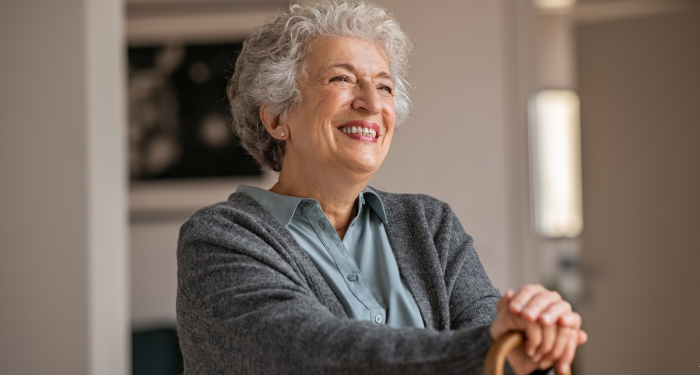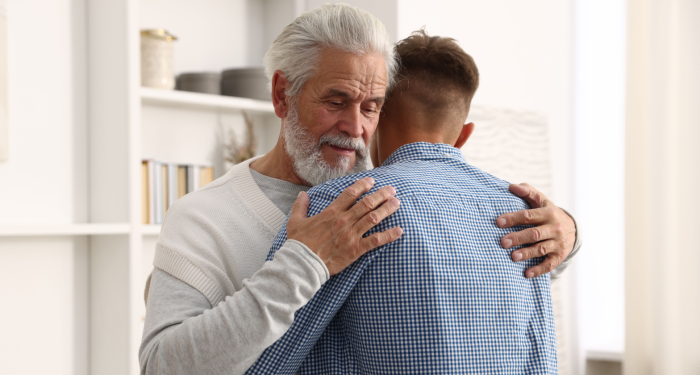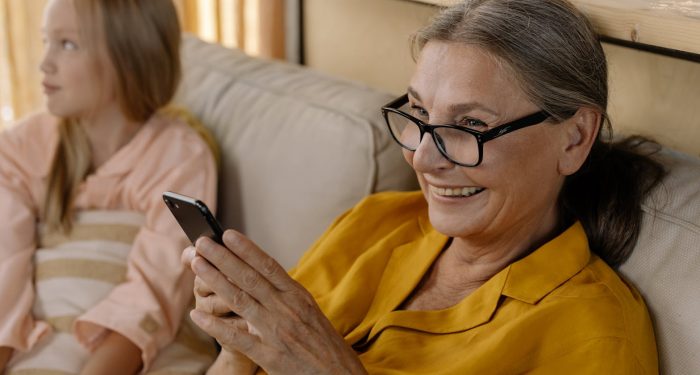
When an 82-year-old refuses help with groceries or insists on living alone, they're not being difficult—they're desperately clinging to the last piece of themselves that decades of loss haven't yet stolen.

Add VegOut to your Google News feed. 
Picture an 80-something-year-old refusing help with groceries, insisting on driving themselves to appointments, or declining offers to move in with family. The automatic response? "They're just being stubborn."
But here's what most people miss: that fierce independence isn't stubbornness at all. It's actually a sophisticated psychological defense mechanism protecting something far more precious than pride.
When you've watched decades slip by, when friends have passed, careers have ended, and physical abilities have gradually diminished, independence becomes the last fortress of self. It's not about being difficult. It's about holding onto the core of who you are when time has already claimed so much.
1) Independence is identity's last stand
Think about what defines you right now. Your career? Your hobbies? Your role as a parent, partner, or friend? Now imagine watching each of these slowly fade or transform beyond recognition.
Robert Atchley, a psychologist, explains that "The continuity theory of normal aging states that older adults will usually maintain the same activities, behaviors, relationships as they did in their earlier years of life."
But what happens when maintaining those activities becomes impossible? When arthritis steals your ability to play piano, when retirement ends your professional identity, when friends pass away?
Independence becomes the thread that connects who you were to who you still are. It's the proof that despite everything time has taken, you're still you.
My grandmother, who raised four kids on a teacher's salary, still volunteers at the food bank every Saturday at 82. Not because she needs to, but because serving others has always defined her. Take that away, and you're not just taking an activity. You're taking her identity.
2) The psychology of autonomy runs deeper than we think
Have you ever noticed how toddlers insist on doing things themselves, even when they're clearly struggling? That same drive doesn't disappear with age. It intensifies.
Dr. Laura Carstensen, Director of the Stanford Center on Longevity, puts it perfectly: "The need to maintain independence is a fundamental human drive that persists throughout life."
This isn't just philosophical. It's neurological. Our brains are wired to seek autonomy as a core component of psychological well-being. When that autonomy is threatened, we don't just feel frustrated. We feel our very essence being challenged.
3) Mental health hinges on maintaining control
Research shows that older adults with low functional independence experience higher psychological distress, highlighting the importance of maintaining autonomy to preserve mental well-being.
This isn't surprising when you think about it. Control over our daily decisions is what separates existing from truly living. When someone else decides when you eat, where you go, or how you spend your day, you're not living your life anymore. You're living someone else's version of it.
The research is clear. Independence isn't just a preference. It's a psychological necessity.
4) Home represents more than four walls
Why do so many older adults resist moving, even when a smaller place or assisted living might seem "logical"?
A fascinating study on older adults' perceptions of aging in place found that maintaining independence at home is associated with positive self-concept and identity, emphasizing the role of autonomy in aging well.
Home isn't just familiar surroundings. It's the stage where you've been the director of your own life for decades. Every corner holds a decision you made, a memory you created, a piece of your story.
Leaving that behind isn't just changing addresses. It's potentially losing the physical manifestation of your autonomous life.
5) The connection between independence and life satisfaction
Dr. Robert L. Kane, Professor of Medicine at the University of Minnesota, discovered something remarkable: "Older adults who maintain autonomy are more likely to experience higher life satisfaction."
This makes perfect sense. Satisfaction doesn't come from ease or comfort alone. It comes from agency, from knowing that your choices still matter, that you're still the author of your own story.
I remember when my grandmother drove six hours to bring me soup when I had the flu in college. Could someone else have done it? Sure. But the fact that she chose to, that she could still be the caregiver rather than the cared-for, meant everything to her sense of self.
6) Independence shapes how we see our own aging
Here's something unexpected: research indicates that older adults' perceptions of aging are influenced by their personal value priorities, suggesting that maintaining independence may be linked to positive self-perceptions of aging.
In other words, those who maintain their independence don't just feel better about their lives. They actually perceive the aging process itself more positively.
It's not denial. It's reframing. When you're still making your own choices, aging becomes less about loss and more about adaptation. You're not a victim of time. You're navigating it on your own terms.
7) The mental health protection factor
Independence in older adults is associated with better mental health outcomes. This isn't just about avoiding depression or anxiety. It's about maintaining cognitive function, emotional resilience, and psychological flexibility. Independence keeps the mind active, engaged, and purposeful.
When we take away someone's ability to make decisions, we're not protecting them. We might actually be accelerating cognitive decline.
8) Understanding the timeline of independence
Consider this perspective from research on aging: "Independence usually begins in our late teens and early twenties, it's when we traditionally move out of the family home, start a career, and begin to shape our own individual lifestyles."
If independence marks our entry into adulthood, is it any wonder that losing it feels like losing adulthood itself? After six decades of autonomous living, being told you can't manage anymore isn't just inconvenient. It's infantilizing.
Wrapping up
Next time you encounter an older adult fiercely protecting their independence, maybe you'll see it differently. They're not being stubborn or difficult. They're protecting the last piece of themselves that time hasn't touched.
I've learned this firsthand. There was a crisis moment at my grandmother's Thanksgiving when she cried over my rejection of her food due to my vegan diet. At first, I thought she was being dramatic. Then I realized: cooking for family was one of her last ways of nurturing, of being needed, of maintaining her role.
Now I help her cook even if I'm not eating everything. She's started making one vegan side dish just for me. It's not about the food. It's about preserving her ability to care, to contribute, to remain who she's always been.
Supporting independence in older adults isn't about stepping back entirely. It's about finding ways to support that don't strip away autonomy. It's about respecting the psychological need to remain the protagonist of their own story, even if the plot has changed.
Because in the end, that fierce independence isn't stubbornness. It's survival of the self.