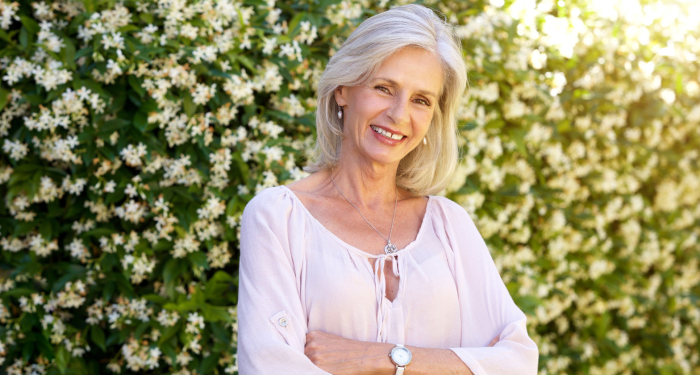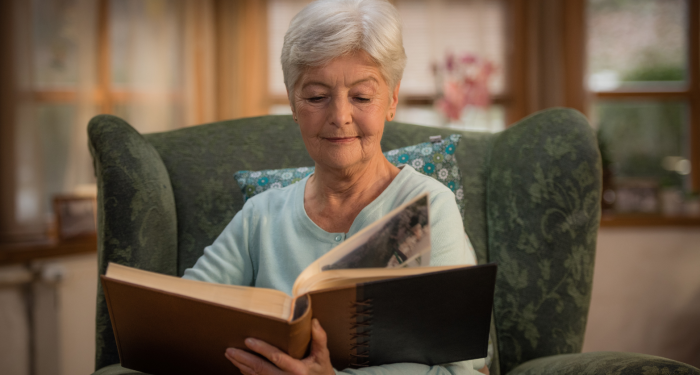
While their peers complain about aching joints and fading energy, these remarkable individuals in their 60s, 70s, and beyond move through life with the vitality of people half their age - and their secret isn't expensive treatments or good genes, but rather a collection of surprisingly simple daily rituals anyone can adopt.

Add VegOut to your Google News feed. 
Last week at the library, I watched a woman who must have been in her seventies gracefully lower herself to the floor to retrieve a book from the bottom shelf.
She moved with such fluid ease that a younger woman nearby actually asked if she needed help getting back up. The older woman laughed, a bright, musical sound, and sprang to her feet with the agility of someone decades younger. "I do yoga," she said simply, and I found myself nodding in recognition.
Some people seem to defy the conventional markers of aging. They move through their sixties, seventies, and beyond with a vitality that makes you forget to count the years.
After observing and talking with dozens of these ageless individuals over my years, I've noticed they share certain quiet habits - not grand gestures or expensive treatments, but simple, consistent practices that keep them feeling young from the inside out.
1) They move their bodies every single day
The most vibrant older people I know don't necessarily run marathons or lift heavy weights at the gym. Instead, they've found ways to incorporate movement into their daily routines that feel sustainable and enjoyable.
I started practicing yoga at 58, initially skeptical that my creaky knees could handle it. Now, eight years later, I credit it with keeping me mobile and, frankly, sane.
Whether it's a morning stretch routine, an evening walk around the neighborhood (yes, even when it's drizzling), or dancing in the kitchen while making dinner, these individuals understand that bodies in motion stay in motion. The key isn't intensity - it's consistency.
2) They cultivate something living
There's something profoundly life-affirming about tending to living things. For me, it's the English cottage garden I've cultivated for thirty years. Every spring, when I see those first green shoots pushing through the soil, I'm reminded that growth and renewal aren't just for the young.
But it doesn't have to be a garden. I know people who tend to houseplants with the devotion of new parents, others who volunteer at community gardens, and one gentleman who keeps a thriving sourdough starter he treats like a beloved pet.
This connection to growing things keeps us engaged with life's cycles and gives us something to nurture beyond ourselves.
3) They protect their mornings
Have you noticed how the most energetic older people often have sacred morning routines? I wake at 5:30 AM naturally now, and that first hour belongs entirely to me. No news, no phone, no demands - just silence, tea, and my journal. This quiet time sets the tone for everything that follows.
The people who seem youngest at heart understand that mornings are for intention-setting, not reaction. They use this time to center themselves before the world rushes in with its urgencies and opinions.
4) They stay genuinely curious
"I don't know much about that - tell me more."
These words, spoken by an eighty-year-old friend recently about cryptocurrency, capture something essential. People who stay young maintain what Buddhists call "beginner's mind" - an openness to learning that keeps their neural pathways flexible and their conversations interesting.
They read widely, ask questions without embarrassment, and try new things even when they might look foolish. This curiosity acts like a mental fountain of youth, keeping their minds sharp and their perspectives fresh.
5) They practice gratitude before sleep
Every evening before bed, I write in my gratitude journal - a habit I started after my husband passed. Initially, it felt forced, even false. How could I be grateful when grief sat so heavy on my chest?
But slowly, the practice shifted something fundamental in how I process my days.
The people who age most gracefully have similar practices. They end their days by acknowledging what went right, what brought joy, what deserves appreciation. This isn't toxic positivity - it's a deliberate choice to train their minds toward hope rather than despair.
6) They maintain deep friendships
Loneliness ages us faster than almost anything else, yet maintaining friendships requires intentional effort as we age. The most vibrant older people I know schedule regular coffee dates, join book clubs, or simply pick up the phone when they think of someone.
They understand that friendship in later life requires initiative. They don't wait for invitations; they extend them. They don't assume old friends remember them; they reach out first.
This social connectivity provides not just emotional support but cognitive stimulation that keeps them engaged and energetic.
7) They limit their news consumption
While staying informed matters, the people who seem youngest have learned to set boundaries with the 24-hour news cycle. They might read the morning paper or watch one evening newscast, but they don't marinate in catastrophe all day long.
Instead, they fill those hours with activities that energize rather than deplete them. They've learned that being a good citizen doesn't require absorbing every piece of bad news the moment it breaks.
8) They keep learning new skills
Whether it's learning to paint watercolors at 65, taking up the ukulele at 70, or figuring out how to video-call grandchildren, the most youthful older people regularly put themselves in the position of student.
This willingness to be bad at something new does more than keep the mind flexible - it keeps us humble and connected to the experience of growth. Every small victory ("I played a whole song!") provides the kind of accomplishment that makes us feel capable and alive.
9) They eat like they love themselves
The people who age most gracefully have figured out how to eat in a way that nourishes without obsessing.
They enjoy their food, savoring meals rather than rushing through them. They eat vegetables because they've learned to prepare them deliciously, not because someone told them they should.
Most importantly, they've stopped dieting and started listening to their bodies. They understand that food is fuel for the activities they love, not an enemy to be conquered.
10) They rest without guilt
Perhaps most surprisingly, the most energetic older people I know are excellent at resting. They take naps without calling them "power naps." They sit in the garden and watch birds without needing to multitask. They understand that rest isn't laziness - it's maintenance.
This ability to pause, to be still without guilt, actually provides the energy for all their other activities. They've learned what our productivity-obsessed culture often forgets: rest is not the opposite of vitality; it's the foundation of it.
Final thoughts
These habits aren't dramatic or expensive or particularly Instagram-worthy. They're quiet practices, accumulated over time, that create a way of being in the world that transcends chronological age.
The beautiful thing is that it's never too late to begin. Whether you're approaching sixty or well past it, each of these habits can be adapted to your life, your body, your circumstances.
The fountain of youth, it turns out, isn't a magical spring - it's a collection of small, daily choices that honor both our need for growth and our need for rest.