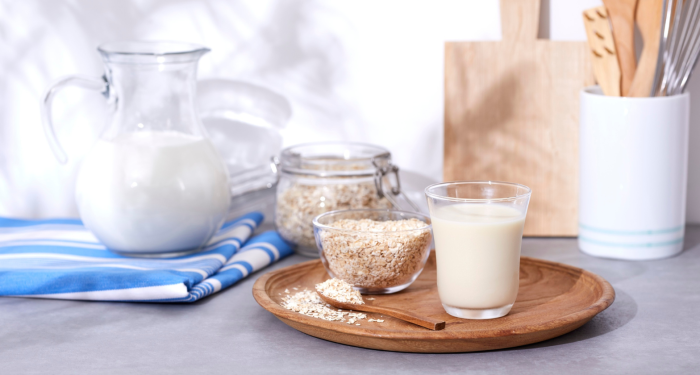
None of this is a moral referendum on coffee, so make caffeine-free drinks aesthetically pleasing!
You know that feeling when the first coffee hits and the world slides into focus like someone just cleaned your glasses?
I lived that life for years in hospitality.
Pre-shift espresso, mid-service cappuccino, and even staff meal filter coffee; then a little something with dessert, because it was there and I loved the ritual.
I told myself it was about taste, which was partly true, but looking back, those extra cups were saying something about me too.
Psychology has a way of holding up a mirror.
When I dug into the research and cross-referenced it with a decade of long shifts, late nights, and tasting menus, a pattern emerged.
People who reach for multiple coffees most days tend to share certain traits, not good or bad, just tendencies.
When you see them, you can work with them.
If you see yourself in any of this, I’ve got practical fixes at the end of each point:
1) High baseline stress reactivity
Ever notice how some people move through the day like they’re always ten minutes late, even when they are on time?
That used to be me.
In the kitchen we called it living in the red, a constant simmer of urgency.
Psychologically, that maps to higher baseline stress reactivity.
Your system is more alert, your threat detection a little louder.
Caffeine amplifies that signal by nudging cortisol and adrenaline up, which is helpful for short bursts and terrible for long stretches.
Multiple coffees can become self-medication for that stress profile.
You feel pressure, you dose focus.
The dose works, so you repeat.
Soon the solution becomes part of the problem because your nervous system never gets to power down.
What helps: I treat coffee as a performance tool, not a personality trait.
One cup within 60 to 90 minutes of waking, not right away, so my natural cortisol has a chance to crest.
If I know a high-stakes block is coming, I time a second cup right before, never after lunch.
Stress-reactive people need off switches as much as on switches.
2) Sleep-debt denial
“I’m fine on five hours,” said every overtired high performer right before they snap at a coworker or reread the same email four times.
In my twenties, I wore short sleep like a medal.
The industry rewarded it, but sleep debt is a tax you pay with interest.
Psychologically, when you are underslept, your prefrontal cortex, the part that plans and regulates, goes on vacation.
Your emotional centers get louder, so you reach for coffee to pull yourself back to baseline, then reach again when the dip hits.
Here is the trap: Caffeine has a long half-life, it can quietly erode the very sleep you need to get off the merry-go-round.
That pushes tomorrow’s you toward another cup, and around we go.
What helps: I gate caffeine after 2 p.m., earlier if I slept badly.
I swapped the “rescue latte” with light, boring tricks that actually move the needle.
Morning light exposure for ten minutes, a short walk after meals, and a hard stop on screens one hour before bed.
If you want one nerdy tactic, pair your first coffee with a full glass of water and a protein-forward breakfast.
Stable blood sugar equals fewer afternoon crashes equals fewer desperate top-ups.
3) Reward-seeking loops
“Is it possible you don’t need coffee as much as you love the mini celebration it brings?”
I asked myself that question on a flight to Tokyo after ordering my third tiny cup in two hours.
The truth landed with a thud: Coffee is a beautifully designed habit loop of cue, routine, and reward.
The cue might be a calendar alert or an energy dip, the routine is walking to the machine, hearing the grind, smelling the bloom, and the reward is warmth, taste, a hit of dopamine, and two minutes of socially acceptable escape from your desk.
People who go for multiple coffees often score higher on reward sensitivity.
We lean into small pleasures but, when every wobble in your day routes to the same reward, you end up with ten micro-celebrations and a jittery brain.
At home I rotate “ritual substitutes” that scratch the reward itch without more caffeine: Peppermint tea, sparkling water with a squeeze of calamansi, or a matcha with half the usual powder.
If I want the full coffee experience, I switch to decaf after cup one.
4) Social glue tendencies

Quote that changed how I see this: “Belonging is better than fitting in.”
That is Brené Brown, and it lands especially hard in hospitality where the real currency is connection.
Coffee is a social bridge.
The “walk and talk,” the quick debrief by the espresso machine, the pre-meeting latte that says I’m in this with you.
If you are high on affiliation, if teamwork lights you up, you will naturally say yes to the extra coffee that comes attached to the moment.
It is not about the drink, it is about the togetherness.
That trait is a gift as it makes you a better colleague and friend.
It can also backfire when you outsource your boundaries to the vibe of the room.
One “sure, I’ll have one too” becomes three.
What helps: Make the social ritual explicit and the beverage optional.
I’ll say, “Walk with me to the café, I’m grabbing water,” and suddenly the connection is intact, my intake is not.
If I want to participate, I order a flat white half-caf or a cortado with an extra splash of milk.
Small detail, big difference.
5) Perfectionist overcommitment
Do you ever turn a simple task into a production because you want it done exactly right?
Same, people who lean perfectionist often overcommit.
We say yes to more projects than any one human could reasonably handle, then try to make each one flawless.
The psychological cocktail is conscientiousness with a side of approval seeking.
Caffeine becomes the scaffolding that props up an unrealistic plan.
In kitchens, perfectionism has a purpose.
The tenth of a second on a scallop matters; the problem is when that muscle spreads to your whole life.
You end up using coffee to borrow time against the future, which feels productive until your edges fray.
What helps: Trade heroic effort for systems.
James Clear wrote about “deciding once,” and it changed my work.
I build fixed routines and templates, then I let them do the heavy lifting.
Monday is deep work, Tuesday is meetings, Wednesday is editing, and so on.
I limit the number of caffeinated beverages on my desk to one at a time.
The bottleneck forces me to finish what I started before I look for more energy.
I also batch decisions, including food.
A simple rotation of breakfasts and lunches means I am not spending mental bandwidth there, and I am not compensating with coffee when the decision fatigue hits.
6) Sensory curiosity
A confession from a guy who spent years tasting everything from single-origin Ethiopian to Indonesian kopi luwak in blind flights: Some of us drink more because we love the flavors.
Curiosity is a trait I prize.
It drives learning, travel, and a lot of joy.
If you are the person who wants to try the new microlot roast, the barista’s special, the cold brew from that tiny cart on the corner, I get you.
Coffee is a sensory playground; acidity like green apple, honeyed sweetness, chocolatey finish.
One cup turns into three because you are exploring.
There is a psychological upside here: Curious people build expertise faster.
You notice details others miss, and the trick is guiding that curiosity so it fuels you rather than fries you.
Keep your palate engaged without putting your nervous system on the roller coaster.
7) Late chronotype compensation
Finally, there is the simple, awkward truth that many of us are night-leaning by nature.
If your chronotype skews evening, your peak mental window may start later.
Life, unfortunately, often starts earlier.
Coffee becomes the lever you pull to align your internal clock with external schedules.
Night owls are not lazy, they are misaligned.
When society runs on morning energy, late types use caffeine as an equalizer.
That works in the short term and adds up in the long term if it masks a deeper misfit between your biology and your calendar.
What helps: Shift conditions, not just chemistry.
If you can, stack your hardest work later in the morning and protect that time fiercely.
Get bright light on your eyes soon after waking, dim light in the evening, and anchor your meals earlier.
I learned in restaurants that early staff meal made a difference.
Food timing nudges your body clock more than we think.
On days when I must wake early, I lean on a brief nap, ten to twenty minutes, before 3 p.m.
It restores alertness without torpedoing nighttime sleep, which reduces the “I need another cup at 5 p.m.” spiral.
The bottom line
None of this is a moral referendum on coffee.
I love coffee, and I love the crema on a well-pulled espresso and the caramel whisper of a slow pour over.
Moreover, I love the human theater of cafés, the first date awkwardness, the laptop tribes, the way a good barista remembers your order and your name.
Make caffeine-free drinks aesthetically pleasing; nice glass, fancy ice, fresh citrus, a sprig of mint.
You are hacking the reward system without the stimulant.
When you do choose coffee, savor it, smell it, taste it, and let it be a craft experience.
That shift, from autopilot to attention, is the real self-development move.
It is the same lesson I learned in a great kitchen.
Ingredients are powerful, but intention is what turns them into a meal worth remembering.
If You Were a Healing Herb, Which Would You Be?
Each herb holds a unique kind of magic — soothing, awakening, grounding, or clarifying.
This 9-question quiz reveals the healing plant that mirrors your energy right now and what it says about your natural rhythm.
✨ Instant results. Deeply insightful.