While your peers struggle with pill bottles and avoid night driving, you're still hefting 40-pound bags and navigating life with the independence that makes thirty-somethings wonder what your secret is.

Add VegOut to your Google News feed. 
Last week at the grocery store, I watched a woman who must have been in her eighties effortlessly hoist a 40-pound bag of birdseed into her cart. She caught me staring and winked. "For my cardinals," she said, as if that explained everything.
And maybe it did. Because maintaining that kind of strength and independence well into our seventies and beyond isn't just about luck - it's about the daily choices we make and the abilities we fight to preserve.
After teaching high school for three decades and now watching my own peers navigate their seventies, I've noticed patterns among those who seem to defy the typical aging narrative.
They're not just surviving; they're thriving with a level of independence that makes younger folks do double-takes in parking lots and grocery stores.
1) Managing your medications without confusion
Can you still keep track of what pills to take when, understand why you're taking them, and remember to refill prescriptions before running out? This seemingly simple task becomes increasingly complex as medications multiply.
The friends who maintain this independence have systems - pill organizers, smartphone alarms, relationships with pharmacists who know them by name.
They ask questions at doctor appointments and write down answers. They're active participants in their health care, not passive recipients.
2) Driving safely, especially at night
The ability to drive after dark without anxiety or incident is no small feat past seventy. Our night vision naturally deteriorates, and reaction times slow. Yet some of us still confidently navigate rain-slicked highways and unfamiliar cities.
Just last month, I drove three hours through a thunderstorm to visit a friend.
The key isn't denying our limitations but adapting - choosing well-lit routes, avoiding rush hour when possible, and yes, sometimes saying no to that late dinner invitation across town.
But we're still behind the wheel, still in control of where and when we go.
3) Walking a mile without stopping
A mile might not sound like much, but it's a golden standard of mobility. Can you walk to the corner market, through a museum, around a park without needing to sit every few minutes?
When I had both knees replaced in my mid-sixties, I thought my walking days were numbered. But physical therapy taught me that consistency trumps intensity.
Now I measure my recovery not in dramatic achievements but in daily walks that keep my world expansive rather than shrinking.
4) Getting up from the floor unassisted
Here's a test: Sit down on the floor and get back up without using your hands or knees for support. Fitness experts call this the "sitting-rising test," and it's surprisingly predictive of longevity.
Those who can still do this at seventy have maintained crucial core strength and balance. My yoga practice, which I started at 58, has been invaluable here.
Every time I flow from child's pose to standing, I'm investing in future independence.
5) Managing technology for daily tasks
Can you video call your grandchildren, pay bills online, and navigate streaming services to find that show everyone's talking about?
Technology isn't optional anymore - it's how we stay connected, informed, and engaged. The septuagenarians who thrive don't necessarily love technology, but they've refused to let it intimidate them.
They ask for help learning, then practice until it becomes second nature. They understand that each new app mastered is another thread keeping them woven into the fabric of modern life.
6) Maintaining your home and garden
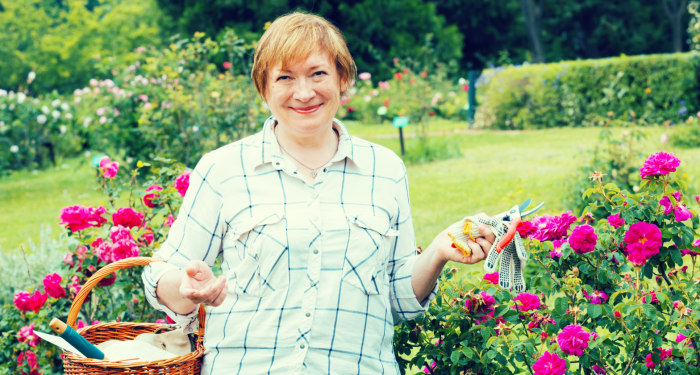
My English cottage garden has been my pride for thirty years, and at 73, I still do most of the work myself. Pruning roses, hauling mulch, planting bulbs - these aren't just chores but declarations of capability.
The same goes for indoor maintenance. Changing lightbulbs, minor repairs, keeping things clean and organized. When we can still care for our spaces, we're saying we can still care for ourselves.
7) Learning something completely new
Remember when people said you can't teach an old dog new tricks? What nonsense.
At 66, I enrolled in Italian classes, preparing for a trip I'd dreamed about since reading "Under the Tuscan Sun." At 67, I bought a piano and started lessons.
My fingers don't move as quickly as a child's might, but Chopin's Prelude in E minor sounds just as beautiful played slowly with intention.
The ability to remain a student, to humble yourself before new knowledge, is perhaps the greatest gift we can give our aging minds.
8) Traveling independently
Navigating airports, managing luggage, adapting to new environments - independent travel demands physical stamina, mental sharpness, and emotional resilience.
Those over seventy who still venture out alone or with peers (not as part of guided senior tours) have maintained a precious autonomy. They trust themselves to handle the unexpected, whether it's a missed connection or a language barrier.
9) Maintaining genuine friendships
This might seem odd on a list of physical and practical abilities, but hear me out.
Real friendship at this age requires effort - planning gatherings, remembering birthdays, showing up for both celebrations and crises.
It means driving to meet for lunch, walking in the park together, staying engaged in conversations about current events rather than just medical complaints.
Those who maintain vibrant friendships without family members having to facilitate every interaction have preserved something essential.
10) Making your own financial decisions
Understanding your investments, paying taxes, making informed choices about insurance and estate planning - financial independence is about more than having money.
It's about maintaining the cognitive ability to manage it wisely. The friends who still handle these tasks themselves read the fine print, ask smart questions, and recognize scams when they see them.
They haven't handed over the reins out of confusion or fear.
Final thoughts
If you're over seventy and checking off most of these boxes, celebrate. You've maintained not just physical health but the full spectrum of independence - cognitive, social, emotional, and practical.
For those of us still climbing toward seventy, this list isn't meant to intimidate but to inspire. Each ability preserved is a small victory against the narrative that aging means inevitable dependence.
That woman with the birdseed? She's not lucky. She's intentional, determined, and probably doing more than feeding cardinals. She's feeding her own spirit with the daily proof that she's still capable, still here, still lifting whatever life throws her way.