
From Payless shoes to Walmart aisles, these were the stores that shaped a generation raised on sales racks and blue light specials. A nostalgic look at the shopping trips that defined lower middle-class life—and the quiet pride that came with it.
There’s a special kind of nostalgia tied to growing up in a family that wasn’t poor, but definitely wasn’t rich either.
The kind where every purchase was discussed, every sale mattered, and “name brand” was a rare luxury.
If your parents shopped at certain stores in the 80s, 90s, or early 2000s, you probably know exactly what I mean.
These weren’t glamorous places. They were practical, budget-friendly, and sometimes a little chaotic. But they were ours.
Here are twelve stores that defined what it meant to grow up in a lower middle-class household.
1) Kmart
Ah, Kmart. The place where you could buy everything from school clothes to Christmas lights to garden hoses—all under one flickering fluorescent roof.
If your parents dragged you there on a Saturday, you probably remember the blue light specials echoing over the intercom.
And while it wasn’t exactly “cool” to shop there, it was affordable and reliable.
I still remember begging for candy at the checkout line, while my mom calculated every item in her head to make sure she stayed within budget.
That was the vibe—stretching every dollar, but making it work.
2) Payless ShoeSource
Before sneaker culture became a billion-dollar obsession, most of us just needed shoes that fit.
Payless was where you went for “school shoes” and “church shoes.”
The sneakers weren’t Nike, the boots weren’t Timberland, and the dress shoes squeaked on every step—but they got the job done.
If you grew up with Payless, you learned early that value mattered more than labels. You didn’t always get what you wanted, but you got what you needed.
And honestly, that’s a solid life lesson that still holds up today.
3) JCPenney
JCPenney was where “affordable” met “fancy.” It’s where your parents might have bought a decent shirt for a job interview or a dress for a family wedding.
It wasn’t Macy’s, but it also wasn’t Kmart—it was the sweet spot for families trying to look put-together without overspending.
I still remember my mom flipping through those thick JCPenney catalogs. Half the fun was circling things we’d never actually buy.
JCPenney was a dream wrapped in layaway and clearance racks, and for many families, it was where “nice things” came from.
4) Sears
Sears was basically the Amazon of its time—except you had to actually go there.
They sold refrigerators, lawnmowers, and school clothes in the same place, and that made it a one-stop shop for middle America.
If your dad owned Craftsman tools, he probably got them from Sears. And if your mom bought the family’s washer and dryer there, she definitely got the extended warranty.
Sears wasn’t glamorous, but it represented something we don’t see as much today—trust in a brand. You knew what you were getting, and it would last.
5) Dollar General (or the local dollar store)
Let’s be honest—Dollar General was an adventure.
It was where you went for last-minute school supplies, greeting cards, or cheap cleaning products.
The aisles were narrow, the lighting was questionable, but you could leave with a full bag for under ten bucks.
It’s also where kids learned the value of small things—stretching allowance money, finding off-brand candy, and understanding what a “deal” really meant.
Even now, walking into a dollar store feels oddly familiar. It’s that mix of resourcefulness and nostalgia that only people from that background really understand.
6) Burlington Coat Factory
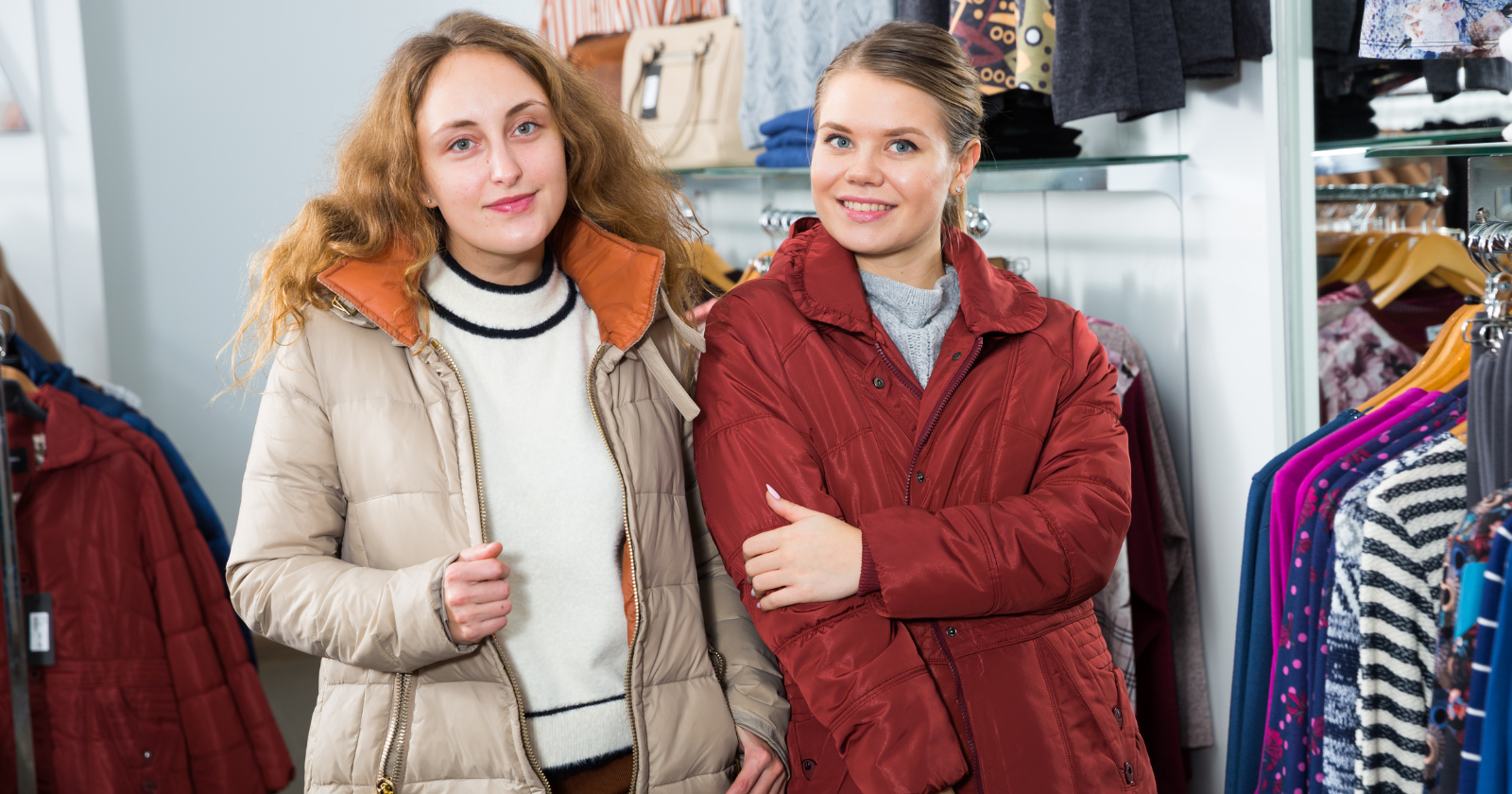
If you ever went back-to-school shopping here, you probably remember the chaos.
Racks everywhere, random brand names, and the constant hum of discount hunters on a mission.
Despite the name, Burlington sold way more than coats. Parents loved it because you could find quality clothes for less, even if it meant sorting through piles of mismatched sizes.
And if your mom scored a brand-name jacket at 60% off? You’d hear about it for weeks.
7) RadioShack
This was where dads thrived.
Whether it was a new remote control, a pack of AA batteries, or some mysterious electronic part, RadioShack was the go-to for all things “tech”—at least before the internet took over.
If you were lucky, your parents let you browse the gadgets while they picked up something practical. For a generation of kids, this was the closest thing to visiting the future.
RadioShack made us feel like we were part of something smart, something technical—even if half the stuff we bought never worked right.
8) Ross Dress for Less
If you grew up with Ross, you learned patience.
It wasn’t a store—it was a treasure hunt. Racks of random clothes, shoes in no particular order, and long checkout lines. But the deals? Worth it.
Your parents probably reminded you, “Don’t look at the brand, look at the price.” And that mindset became part of how you saw the world: practical, not flashy.
There’s something admirable about that. Ross kids didn’t need validation from logos—we knew how to find value in the mess.
9) Big Lots
Big Lots was chaos in the best possible way.
You never really knew what you’d find—sometimes snacks, sometimes furniture, sometimes a random brand of cereal that looked suspiciously like the real thing.
It was where discontinued items went to find a second life, and where families could stretch budgets further than anyone thought possible.
Big Lots parents were the masters of improvisation. They made every dollar count and somehow made it look effortless.
10) Old Navy
By the late 90s, Old Navy became the place for middle America. Affordable jeans, basic tees, and enough family-friendly commercials to convince us all that matching outfits were cool.
The clothes were trendy enough to fit in but cheap enough that parents didn’t panic when we outgrew them in six months.
Old Navy gave us style on a budget—and honestly, that combination built an entire generation’s sense of self.
11) The local grocery outlet
Every town had one—the “discount” grocery store where you could get slightly dented cans and off-brand cereal for half the price.
If your parents shopped there, you knew the drill: check expiration dates, look for deals, and never complain about the generic label.
You learned early that food didn’t need to be fancy to be good.
That mindset—making the most of what you have—sticks with you. It’s the quiet resilience that defines lower middle-class families even more than the stores themselves.
12) Walmart
And finally, Walmart.
It was the great equalizer. The place where everyone—from working-class families to college students—crossed paths.
If you grew up in the 90s or 2000s, you probably spent a good chunk of your childhood there. Back-to-school shopping, Christmas gifts, groceries—all under one roof.
It wasn’t glamorous, but it was convenient. Walmart represented practicality, and that’s something the lower middle class has always excelled at.
It’s where affordability met accessibility, and for millions of families, it made everyday life possible.
The takeaway
If you recognized even half of these stores, you probably grew up in a household that balanced hope with hustle.
Your parents weren’t buying the most expensive stuff, but they were doing their best to give you everything you needed. And that’s something worth celebrating.
Those aisles and checkout counters taught us more than we realized—how to budget, how to prioritize, and how to appreciate the little things.
So yeah, maybe you didn’t have designer clothes or fancy vacations. But you learned the value of effort, and that mindset? It’s priceless.
Just launched: Laughing in the Face of Chaos by Rudá Iandê
Exhausted from trying to hold it all together?
You show up. You smile. You say the right things. But under the surface, something’s tightening. Maybe you don’t want to “stay positive” anymore. Maybe you’re done pretending everything’s fine.
This book is your permission slip to stop performing. To understand chaos at its root and all of your emotional layers.
In Laughing in the Face of Chaos, Brazilian shaman Rudá Iandê brings over 30 years of deep, one-on-one work helping people untangle from the roles they’ve been stuck in—so they can return to something real. He exposes the quiet pressure to be good, be successful, be spiritual—and shows how freedom often lives on the other side of that pressure.
This isn’t a book about becoming your best self. It’s about becoming your real self.