If you have any of these items, you are already equipped with more than many people ever get.
You know that feeling when you open the fridge and swear there’s “nothing to eat”… even though the shelves are actually pretty full?
We do the same thing with our lives; we focus on what’s missing, not what’s already in front of us.
The funny thing is, your kitchen might be quietly proving that you’re more “well-off” than you think.
Not just in a money sense, but in terms of security, options, and the ability to take care of yourself.
If you’ve got these five simple items at home, you’re already in a much better position than your brain probably gives you credit for:
1) A sharp chef’s knife
If you own a knife that can slice a tomato without turning it into a crime scene, you’re already ahead of the game.
Most people underestimate how big of a flex a good knife really is.
In my 20s working in luxury restaurants, knives were sacred.
Chefs would bring their own, wrap them in cloth like they were carrying a violin, and guard them with their lives.
A sharp, reliable knife is the difference between cooking feeling like chaos or like flow.
At home, a real chef’s knife tells me a few things about you:
- First, it means you care enough about food to prep your own ingredients instead of relying only on takeout or ultra processed stuff.
- Second, it means you have both time and mental space to cook, at least sometimes.
A sharp knife makes it easier to cook healthier without feeling punished.
You can prep a big bowl of chopped veg for the week, and you can slice fruit effortlessly.
When the friction drops, the healthy choice stops feeling like such a burden.
If there’s a decent chef’s knife sitting in your kitchen right now, it is a symbol that you have options, agency, and the ability to shape what goes on your plate.
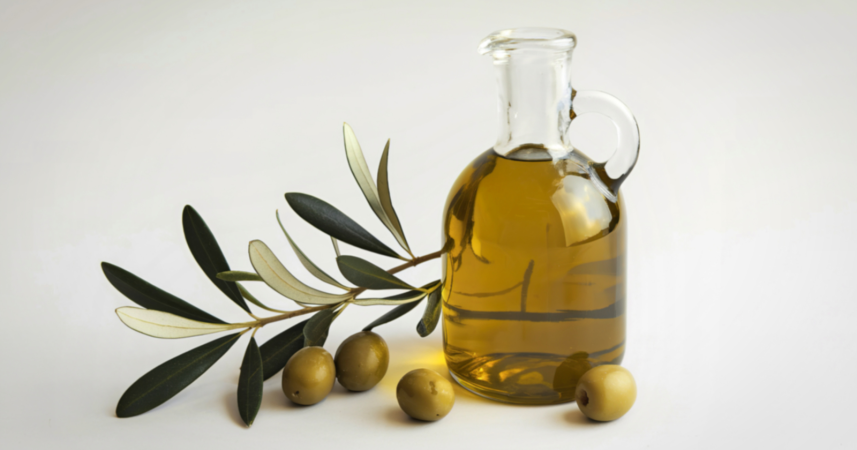
2) Good olive oil (or another quality cooking fat)
Let’s talk about the bottle you reach for when you cook.
If you’ve got extra virgin olive oil, avocado oil, or even a nice neutral oil that you chose deliberately, that is a quiet sign of being well-off in a deeper way.
Think about it: You care about flavor, texture, and maybe even heart health.
You are at a point where you can choose an oil based on how it tastes on roasted vegetables, not just on what is cheapest on the bottom shelf.
That alone puts you in a small, lucky percentage of the world.
When I worked in restaurants, the difference between a good dish and a forgettable one often came down to the fat.
A drizzle of peppery olive oil over grilled bread, and a bit of neutral oil to sear something until it’s perfectly crisp.
Fat carries flavor, and flavor keeps you coming back to real food instead of living on snacks designed in labs.
On a practical level, having a quality cooking fat at home is like having a “make anything taste better” button.
You can take simple ingredients—chickpeas, tomatoes, frozen broccoli, leftover rice—and, with a bit of olive oil, suddenly they feel like something you’d happily eat twice.
Emotionally, it signals something else.
You’re allowed to think about joy, to drizzle, taste, adjust, enjoy, and to invest in the small details that make an ordinary weeknight dinner feel like self-care instead of another chore.
3) A stash of grains and legumes
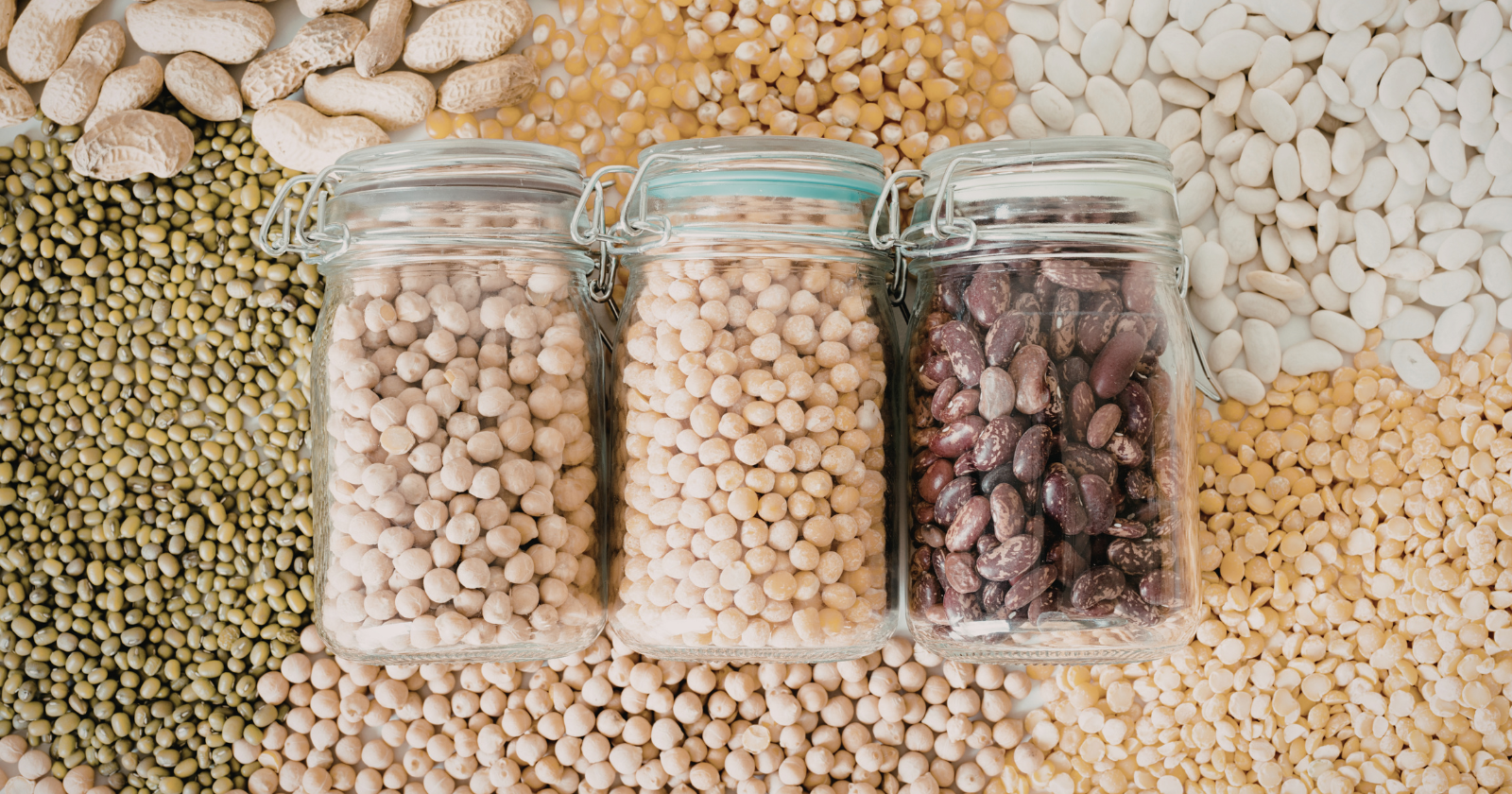
If you see rice, oats, lentils, beans, quinoa, or other grains and legumes in your pantry, you’re sitting on something a lot of people wish they had: Security.
It might not look glamorous but, in terms of real wealth, stable, shelf-stable foods are huge.
These are the foods entire cultures are built on.
They’re filling, nourishing, and incredibly versatile.
Back when I was broke in my early 20s, working long hours in hospitality, my “I need to stretch this paycheck” meal was lentils.
I would throw lentils into a pot with garlic, some spices, maybe a carrot, and have something hearty that lasted days.
It wasn’t flashy, but it gave me energy to lift weights, work double shifts, and still function as a human being.
If you’ve got grains and legumes at home now, you have a safety net.
You know that even if the week goes sideways, even if you’re tired or stressed or money is tight, you can still put together a decent meal.
There’s also a psychological benefit here: Knowing you can feed yourself from your pantry reduces anxiety.
You don’t have to panic every time you’re hungry because you have the ingredients to take care of yourself and anyone you share a kitchen with.
In the self-development world, we talk a lot about building systems instead of relying on motivation.
A pantry with grains and legumes is a literal system that supports your health, your budget, and your energy, even on the days when your motivation is at zero.
4) A small collection of spices and condiments
You know that random-looking corner of your kitchen where you keep paprika, soy sauce, garlic powder, maybe cumin, vinegar, chili flakes, or a jar of miso paste?
That messy little collection is actually a passport.
If you have even a handful of spices and condiments, you can eat around the world without leaving your stovetop.
You can make your vegetables taste Moroccan, Mexican, Indian, Japanese, Filipino, Italian, or something entirely your own.
When I travel, I always notice how different cultures season basically the same ingredients.
Tomatoes, onions, legumes, and grains show up almost everywhere, but the spices transform them into something completely new.
That is flavor magic, and it is way more powerful than people give it credit for.
On a very practical level, a decent spice and condiment stash means you are set up to enjoy healthy food.
Let’s be honest, plain boiled broccoli is challenging but broccoli roasted with olive oil, salt, garlic powder, and chili flakes is a completely different experience.
There’s also a subtle privilege baked into this: You have enough food security to worry about how things taste, not just whether you have anything to eat at all.
You have the curiosity to try flavors from other cultures, and you might have gone to a store, read labels, maybe watched a YouTube video or TikTok recipe and thought, “I want to recreate that at home.”
That curiosity is a form of wealth.
If your kitchen has spices and condiments, you have tools for creativity, comfort, and fun, all sitting quietly in glass jars and tiny bottles.
5) Fresh or frozen produce
Lastly, if you have fresh or frozen fruits and vegetables in your kitchen, you’re far richer than you probably feel on a random Tuesday night.
Access to produce is a huge marker of privilege.
It means you live close enough to a store or market to buy it, and that you have enough cash flow to buy something that goes bad if you ignore it.
That sounds dramatic, but it is true.
Whenever I open my fridge and see leafy greens, berries, carrots, tomatoes, or even a bag of frozen mixed veg, I remind myself this is not normal for everyone.
I have the ability to support my workouts, my brain, my mood, and my long term health with actual micronutrients, not just caffeine and vibes.
Produce is also a fast track to feeling better day to day.
Adding one more fruit or vegetable to your day is a very real version of that idea.
You already have the foundations of a life where food supports your goals instead of working against them.
Living better starts in your kitchen
If you have a sharp knife, good cooking oil, grains and legumes, some spices and condiments, and fresh or frozen produce, you are already equipped with more than many people ever get.
Not just in a “you should feel guilty” way, but in a “you have real power here” way.
We live in a world that tells us we are behind because we do not have the newest gadget, the “what I eat in a day” meal plan, or some perfect designer kitchen.
However, if you zoom out, the basics you already own are far more important than the upgrades you think you need.
You do not need to overhaul your entire life overnight.
Just cook one simple meal with intention, use the good oil, chop the vegetables, season the food so it excites you, and sit down to eat without your phone for five minutes.
If you have these five things in your kitchen, you are already more resourced, more capable, and more “well-off” than you probably realize.