
Most people think wealth looks like luxury cars and designer labels. But real financial comfort is quieter than that. If you can casually afford these seven things without budgeting, you’re already living a level of freedom most Americans never reach.

Add VegOut to your Google News feed. 
If you ever want to start a spicy argument at brunch, here’s a simple one.
Ask the table what it means to be “wealthy.”
Someone will say “having a million dollars.” Someone else will say “owning a house.” Someone will joke about “being able to buy guac without thinking.”
But real wealth doesn’t always look like yachts and designer bags.
A lot of the time, it looks like ease.
It’s the calm of knowing a bill won’t wreck your month. It’s walking into a grocery store and buying the good olive oil without doing mental math. It’s choosing convenience when you need it, and pleasure when you want it.
And here’s the truth: if you can afford certain things casually, without budgeting for them, you’re wealthier than most Americans.
Not because you’re better. Not because you’re smarter.
But because millions of people are living with zero slack in their finances.
One surprise expense doesn’t inconvenience them. It crushes them.
Let’s talk about seven things that quietly signal you’re in a stronger financial position than the majority.
No flexing. No shame.
Just perspective.
1) You can cover a $1,000 emergency without sweating
This is the big one.
Because life is basically a recurring series of random expenses.
Your car battery dies. Your dog eats something suspicious. Your phone slips out of your hand and turns into a small tragedy.
If you can handle a $1,000 surprise without panic, without borrowing, and without wrecking your month, that’s real financial power.
I’ve worked in luxury hospitality.
I’ve seen guests drop $600 on a tasting menu like it was pocket change.
That’s “rich people behavior.”
But the real flex is not flinching when the unexpected happens.
Because it means you have a buffer. A safety net. Breathing room.
And breathing room might be the richest feeling there is.
2) You don’t worry about groceries or basic household essentials
Here’s the least glamorous flex on earth: buying groceries without calculating the total as you shop.
I don’t mean extravagant groceries.
I mean being able to buy the basics and the good stuff without needing to put anything back.
Eggs. Fresh fruit. Salmon. Coffee that doesn’t taste like burnt sadness. The overpriced sourdough. Toothpaste. Dish soap. Paper towels.
Food and household essentials are where the economic divide shows up the fastest because none of it is optional.
When someone can consistently afford nourishing food and the small upgrades that make life easier, that’s a sign of stability.
And since this is VegOutMag, it’s worth saying directly: Being able to eat well without financial stress is a form of wealth most people underestimate.
Because you can’t “optimize your mindset” if you’re constantly stressed about feeding yourself.
3) You can go to the doctor or dentist without delaying it
Healthcare is one of the clearest markers of financial security in America.
For a lot of people, going to the doctor isn’t about health. It’s about math.
How much is this going to cost? Can I wait it out? Is this serious or am I overreacting?
If you can book a check-up, get bloodwork done, go to the dentist, or pick up a prescription without spiraling into financial dread, you’re doing better than millions.
You’re not just paying for care. You’re paying for peace of mind.
And that matters, because delaying health issues usually makes them worse.
Being able to take care of your body before it becomes a crisis is a privilege.
It’s also one of the most foundational self-development moves there is.
You can have ambition, goals, and big plans, but if your health collapses, everything else becomes irrelevant.
4) You can take a vacation without needing to recover financially for months
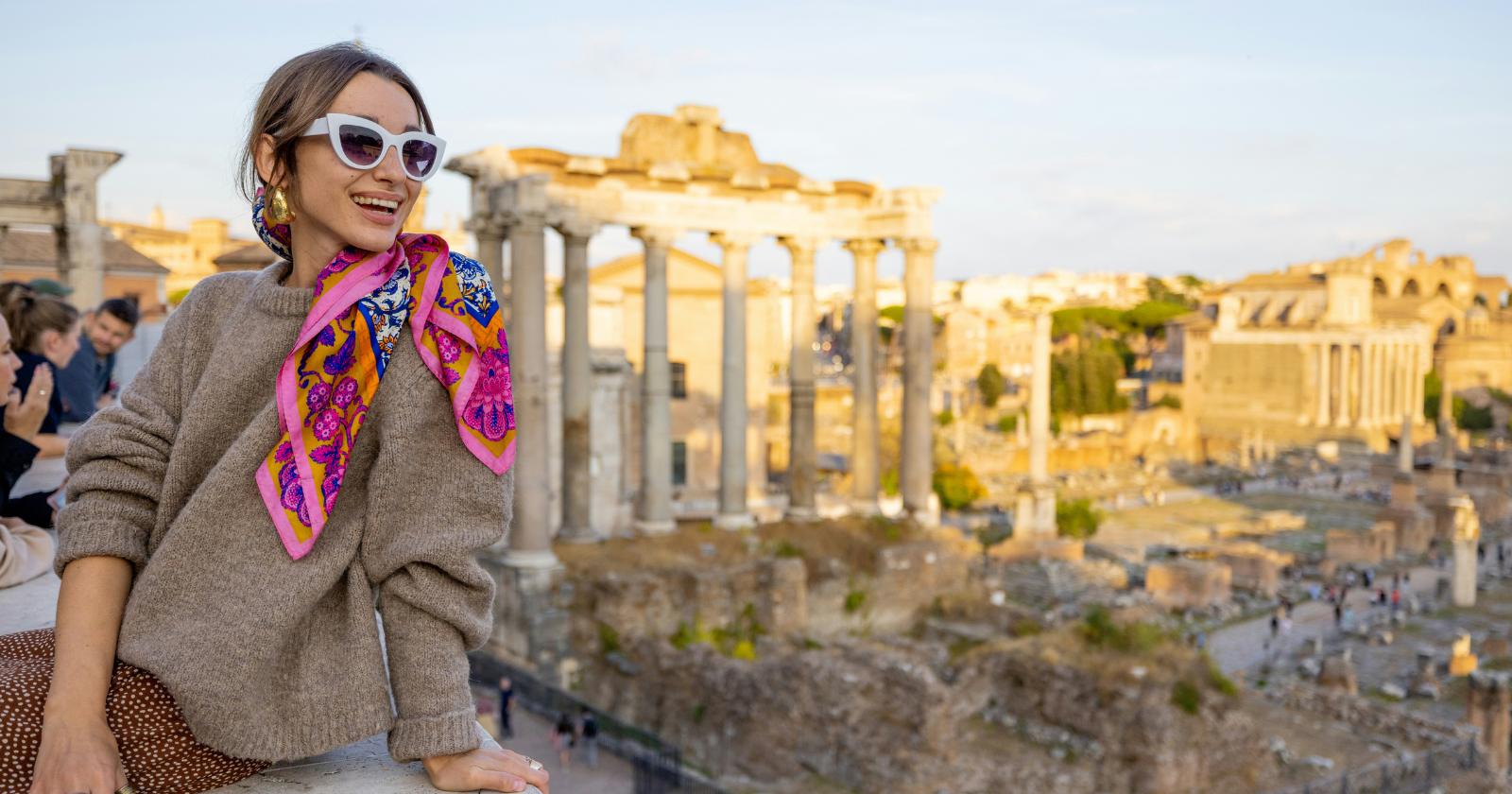
Vacations used to be normal. Now they’re a financial event.
If you can take a trip and still pay your bills when you get back, you’re in a stronger position than most people.
A lot of people can technically travel, but they pay for it with credit cards and stress, then spend the next few months digging out.
We’ve normalized the idea that rest has consequences. But if your finances allow you to take breaks without fear, you’re not just wealthy in money.
You’re wealthy in time, mental space, and recovery.
Travel also has a weird way of improving everything else.
When I’m out of my routine, my brain resets. I walk more. I eat differently. I get new ideas. I stop doom-scrolling because real life becomes more interesting than the internet.
If you can afford rest, you’re living a version of life most people are still trying to reach.
5) You can buy high-quality food or eat out without it being a special occasion
This is where my luxury food background comes in, because I’ve seen the difference between how people treat food when money is tight versus when money is comfortable.
When money is tight, food becomes survival. When money is comfortable, food becomes experience.
If you can order sushi on a random Tuesday because you don’t feel like cooking, that’s a form of wealth. If you can go out for a nice dinner without needing to justify it as a birthday or anniversary, that’s wealth.
If you can buy high-quality ingredients without calling it a “treat,” that’s wealth. And it matters because food impacts everything.
Your energy. Your mood. Your workouts. Your sleep. Your focus. Your ability to show up as a functional human being.
A lot of self-development content talks about discipline like it’s purely mental.
But discipline is easier when your basics are covered.
If you can eat well and occasionally outsource cooking through restaurants or delivery, you’re not just buying food.
You’re buying time and bandwidth. And those two things change your life.
6) You can replace or repair important things immediately
Here’s another quiet wealth signal: When something breaks, you fix it right away.
Your phone starts dying? You replace it. Your laptop crashes? You handle it. Your tires go bald? You don’t delay it. Your fridge starts making demonic sounds? You call someone.
That’s not just convenience. That’s stability.
When people can’t afford repairs, they live in a constant state of “making do.”
And “making do” drains you.
Broken stuff creates daily friction. It steals time, energy, and patience. I once had a cheap blender that barely worked. I kept using it because I didn’t want to spend money.
Every morning, it annoyed me. Then I finally bought a decent one. Not fancy. Just reliable.
My mornings instantly felt easier. Small upgrades reduce daily stress.
This is why financially secure people often seem calmer.
Their lives have less friction because problems get solved quickly.
7) Finally, you can save or invest consistently without it feeling like a sacrifice
This is the final boss of financial stability.
Not just earning money. Keeping it.
If you can put money into savings, retirement, or investments every month without feeling like you’re depriving yourself, you’re in a very strong position.
Most people save what’s left over, and what’s left over is usually nothing.
If you can save consistently while still enjoying life, it means you have surplus.
And surplus creates options.
James Clear talks about how small actions repeated consistently create massive outcomes. Saving is like that.
It’s not dramatic. It’s not glamorous. You don’t get applause for it.
But over time, it changes everything. It turns “I hope I’m okay” into “I know I’m okay.”
And that confidence affects your career choices, your relationships, your stress levels, and your willingness to take smart risks.
Money can’t buy happiness, sure. But it can buy choices.
And choices are the closest thing we have to freedom.
The bottom line
If you can casually afford these things without budgeting for them, you’re wealthier than most Americans.
Not because you’re flashy, but because you have something most people don’t: Margin.
You have enough room in your finances to handle life’s chaos without collapsing.
You can pay for health, nourishment, comfort, rest, and repairs without it turning into a crisis.
That’s not just wealth.
That’s freedom.
And if you’re reading this thinking, “I’m not there yet,” don’t get discouraged.
Use this as a roadmap. Start with one point and build from there.
Because wealth isn’t always about having more.
Sometimes it’s about needing less stress to live your life.