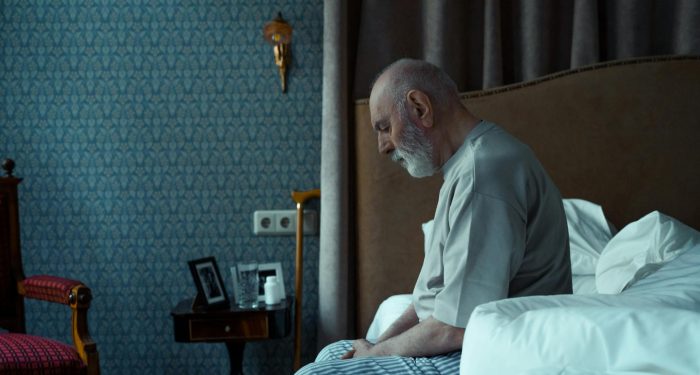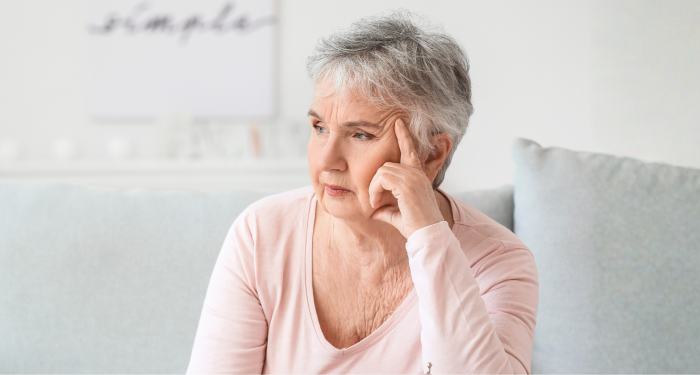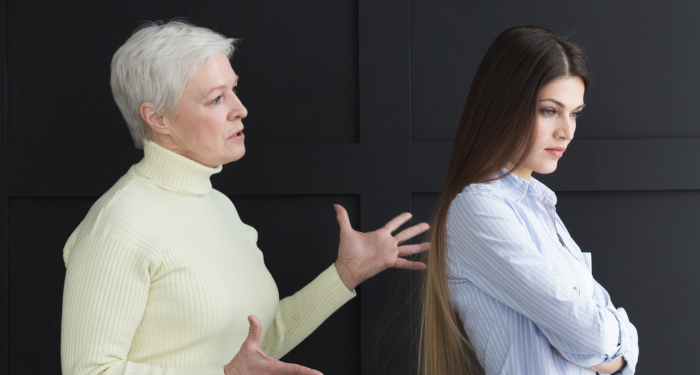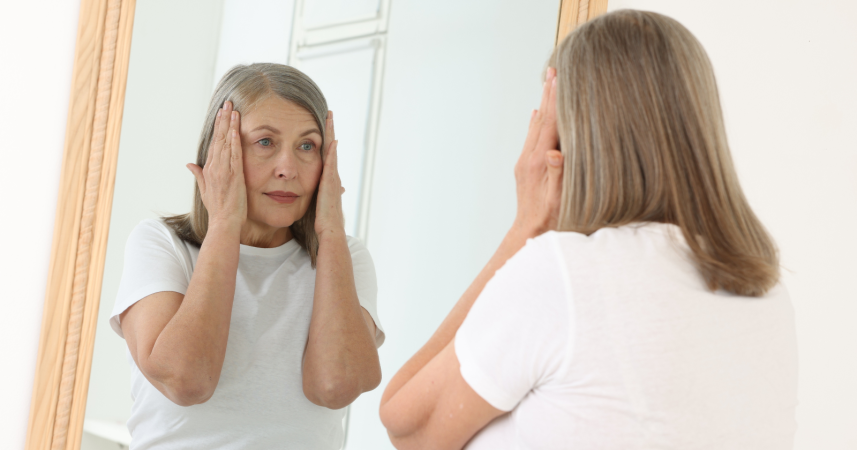
The hardest part wasn't the physical cravings or breaking the ritual — it was discovering that the warm, agreeable woman who emerged after my second glass each night was a character I'd been playing, not the sharp, complicated person I'd buried under forty years of Pinot Grigio.

Add VegOut to your Google News feed. 
For forty years, wine was as much a part of my evening routine as brushing my teeth.
Two glasses with dinner, sometimes three on Fridays, always poured into the good crystal my mother left me.
It started in my twenties as something sophisticated adults did, evolved through my thirties as stress relief from grading papers, and by my forties had become so automatic I couldn't imagine dinner without it.
The ritual felt civilized, European even.
I was functioning beautifully, or so I told myself every morning when the slight fog lifted around ten.
The decision to quit came on an ordinary Thursday evening last year.
I was refilling my glass while listening to my husband tell a story about his day, and I realized I hadn't heard a single word because some part of me had already checked out, waiting for that familiar softening around the edges that came with glass number two.
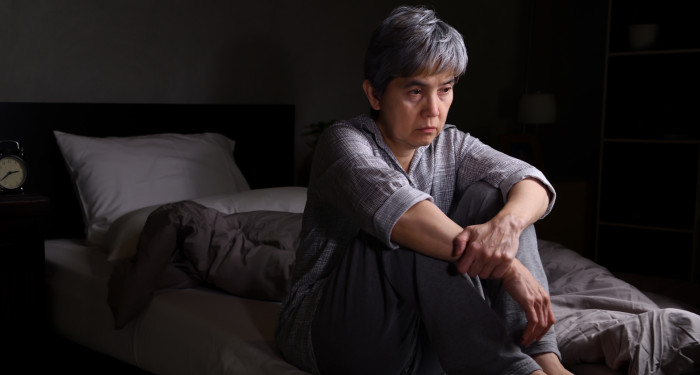
That night, lying in bed, I wondered who I'd be without my evening companion.
The question terrified me enough to find out.
The first month was about the physical habit
You don't realize how much space a habit takes up until you remove it.
Those first weeks, six o'clock felt like standing at the edge of a cliff.
My hands literally didn't know what to do.
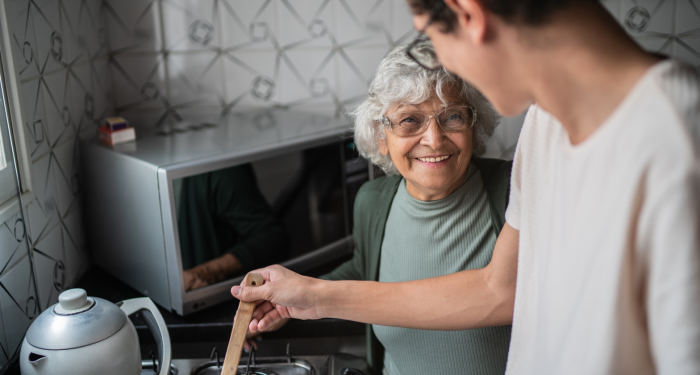
I'd reach for the wine glasses while cooking, catch myself, then stand there confused, holding a wooden spoon like a foreign object.
The muscle memory of forty years doesn't disappear overnight.
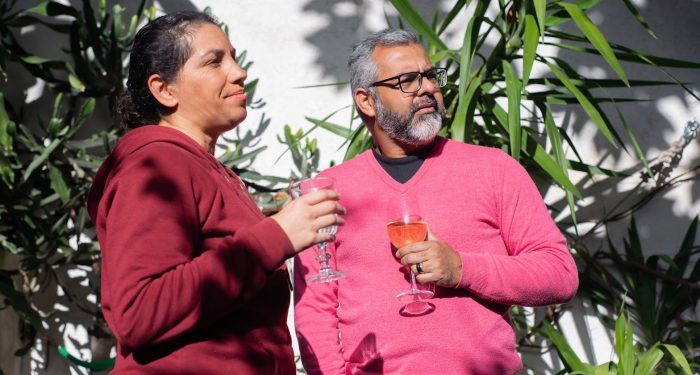
I replaced wine with sparkling water in a wine glass, which felt both ridiculous and necessary.
My husband, bless him, stopped drinking too without my asking.
He said he'd rather have me fully present than have his nightly beer.
During those early weeks, I went to bed at 8:30 just to make the evenings shorter.
I'd wake at 5:30 as always, but now the mornings felt different and clearer, like someone had washed the windows I'd been looking through.
What surprised me most was the grief: I actually mourned those glasses of wine like they were old friends who'd moved away.
Is that pathetic? Maybe, but it was real.
I'd built forty years of associations around that ritual.
Celebrations, commiserations, transitions from work to home, from teacher to wife, from public to private.
Wine had been my permission slip to stop performing and just be.
The second month revealed the performer
By month two, something unsettling started happening at dinner.
Without wine's gentle blur, I watched myself like a stranger.
The woman making conversation, laughing at the right moments, asking the right questions, she felt rehearsed.
Like an actress who'd been playing the same role so long she'd forgotten she was acting.
Have you ever caught yourself mid-sentence and thought, "Who is saying these words?"
That's what those sober dinners felt like.
The wine hadn't just been relaxing me; it had been directing me.
After that second glass, I became someone softer, more accommodating, less likely to mention the thing that had been bothering me all day.
I became someone who smiled through irritation and swallowed opinions that might rock the boat.
One evening, stone sober, my husband interrupted me for the third time, and instead of my usual wine-smoothed acceptance, I said, "Please let me finish."
He looked startled, and I was startled.
For forty years, after-dinner me had never said those words.
She'd been too busy being agreeable, too softened around the edges to have edges at all.
Month three brought the stranger home
Without wine's daily editing, I started recognizing the woman I'd been before I learned to perform palatability.
She was sharper than I remembered.
Funnier too, in a dry, observational way that didn't need wine's false warmth to cushion the truth.
This version of me read poetry after dinner instead of dozily watching television.
She started real conversations, the kind that don't wrap up neatly by bedtime.
She admitted when she was bored, tired, or uninterested instead of pretending enthusiasm.
Most shocking of all, she sometimes chose solitude over company, taking her tea to the front porch while my husband watched his shows.
My weekly supper club noticed the change immediately.
"You're different," one friend said, not unkindly, "more yourself, somehow."
Another admitted she'd always thought I laughed too much at things that weren't funny.
"Now when you laugh, I know you mean it," she said.
It stung to realize I'd been performing even for my closest friends, but it also felt like taking off shoes that had been too tight for decades.
The ongoing discovery
Six months in now, I'm still meeting myself.
Each sober evening reveals another small truth wine used to blur.
I'm less patient than I pretended to be, but more genuinely kind when I choose to be; I'm not actually interested in most dinner party conversations about real estate or retirement planning.
I prefer silence to small talk and I'd rather journal than watch the news; these aren't earth-shattering revelations, but they're mine.
For forty years, wine edited my personality into something smoother, easier, more socially digestible.
Now, at 58, I'm finally angular enough to be real.
My husband says I'm more difficult now but also more interesting.
He's taken to calling me "his mystery woman" because after 15 years together, he's meeting me anew.
The irony isn't lost on me that I spent 32 years teaching teenagers to "be authentic" and "find their voice" while I was drowning mine in Pinot Grigio every night.
Those kids probably knew exactly who they were.
It was their English teacher who was lost.
Final thoughts
Last week, at a restaurant, the server automatically brought the wine list.
I watched my husband wave it away and felt a rush of gratitude, not for sobriety itself, but for the woman it revealed.
She's not always easy or accommodating, doesn't laugh when she doesn't find things funny, and admits when she's struggling instead of pouring another glass and calling it self-care.
If you're wondering whether your evening ritual is editing you into someone else, pay attention to who you become after that first drink.
Then ask yourself: Is that transformation bringing you closer to yourself or further away? The answer might surprise you as much as it surprised me.
If You Were a Healing Herb, Which Would You Be?
Each herb holds a unique kind of magic — soothing, awakening, grounding, or clarifying.
This 9-question quiz reveals the healing plant that mirrors your energy right now and what it says about your natural rhythm.
✨ Instant results. Deeply insightful.

Marlene Martin
Marlene is a retired high school English teacher and longtime writer who draws on decades of lived experience to explore personal development, relationships, resilience, and finding purpose in life’s second act. When she’s not at her laptop, she’s usually in the garden at dawn, baking Sunday bread, taking watercolor classes, playing piano, or volunteering at a local women’s shelter teaching life skills.
More Articles by Marlene