The shelter volunteer suggested a calm senior dog for a calm senior woman, but I chose the limping golden retriever with one floppy ear, convinced I was there to save her—until the night I found myself sobbing into her fur, realizing she was the only thing keeping me tethered to the world.

Add VegOut to your Google News feed. 
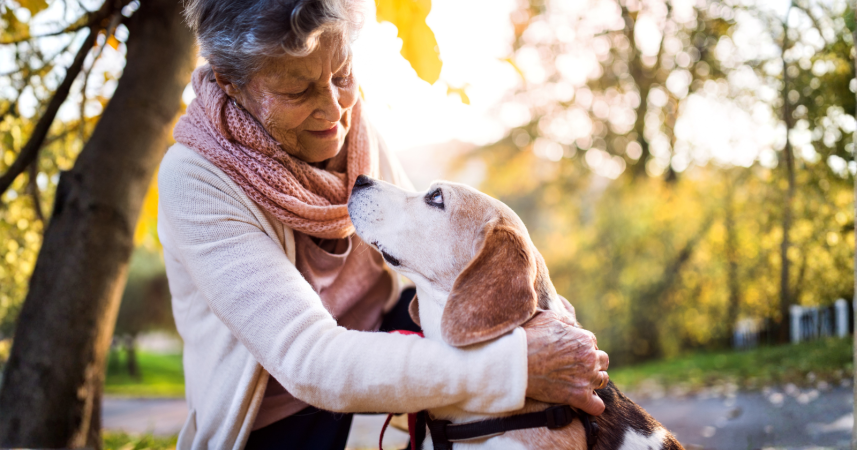
Three months after bringing Sadie home from the shelter, I found myself sitting on my bathroom floor at 2 AM, sobbing into her golden fur while she licked the tears from my face. Not because I was grieving or lonely or any of the reasons you might expect from a recent widow.
I was crying because I'd just realized something that shook me to my core: this forty-pound retriever mix with one floppy ear and a limp from an old injury had become the only thing getting me through each day. And that recognition, that raw dependency, scared me more than anything had since watching my husband fade away.
When I first walked into that shelter, I told myself a comfortable lie. I was there to save a dog, to give some poor creature a second chance at happiness. After thirty-two years of teaching teenagers to find their voices, after nursing my husband through seven years of Parkinson's, surely I had enough love left to rescue one abandoned animal.
What I refused to admit, even to myself, was how desperately I needed rescuing too.
The comfortable distance of good intentions
Have you ever noticed how much easier it is to be the helper than the one who needs help? There's a safe distance in being the rescuer, a kind of emotional armor that protects us from our own vulnerabilities.
When I filled out those adoption papers, I wrote about my fenced yard, my flexible schedule, my experience with dogs from childhood. What I didn't write was that I'd spent the last six months barely leaving my house, that my morning journal entries had dwindled to single words like "empty" and "tired," that some days the only reason I changed out of my pajamas was because the mailman might see me.
The shelter volunteer, a young woman with kind eyes, asked if I wanted an older, calmer dog. "Someone who just wants to cuddle on the couch," she suggested gently, probably noting my age and the slight tremor in my hands that comes from too much coffee and too little sleep.
But then Sadie limped past our meeting room window, tail wagging despite her obvious discomfort, and something in her resilience called to something in me.
When helping becomes needing
Those first few weeks, I threw myself into being the perfect dog parent. Organic food, twice-daily walks despite Seattle's relentless drizzle, a collection of toys that would rival any grandchild's playroom. I researched her breed mix obsessively, joined online forums about rescue dogs, scheduled vet appointments for issues that probably didn't need immediate attention.
All this bustling activity felt like purpose, felt like healing.
But dogs, unlike humans, don't let you hide behind busy work. Sadie would find me wherever I'd retreated with my grief and simply lean against my legs, her warm weight a gentle insistence that I return to the present moment.
When I woke at 5:30 AM for my usual hour of silence with tea, she'd curl at my feet, never demanding attention but always there, a living reminder that I wasn't alone in the darkness before dawn.
The moment everything shifted
It happened gradually, then suddenly, like Hemingway's description of going bankrupt. One morning, instead of my internal dialogue beginning with "I should take Sadie for a walk," it became "Sadie needs her walk." The shift seems small, but it changed everything. Her need became my motivation. Her routine became my structure.
Her joy at seeing a squirrel or finding a particularly good stick became the moments of light that punctured my gray days.
By the second month, I noticed I was planning my days around her schedule. Not in a burdensome way, but with a sense of purpose I hadn't felt since my husband's final months. The evening walks I'd started for her benefit became the rhythm that closed each day, regardless of weather or my mood.
Sometimes we'd meet neighbors who'd stop to pet her, and I'd find myself in conversations that went beyond polite pleasantries.
But it was in that third month when the full weight of what had happened hit me. I'd developed a cold, nothing serious, but enough to keep me in bed one morning past our usual walk time. Sadie came to my bedside, rested her chin on the mattress, and looked at me with those patient brown eyes. And I got up. Not because I wanted to, not because I felt better, but because she needed me to.
That's when the terror set in.
Facing the beautiful terrible truth
What does it mean when your will to engage with life becomes tethered to a creature with a lifespan so much shorter than your own? In my previous post about finding purpose after loss, I wrote about the importance of rediscovering your "why." But what happens when your "why" has four legs and bad hips?
The bathroom floor breakdown happened the next night. All the fear I'd been pushing down came flooding out. Fear that I was too broken to function without this external motivation. Fear that I was one dog's lifetime away from complete withdrawal from the world. Fear that at 67, I'd lost the ability to generate my own reasons for living fully.
Sadie, bless her, just sat there with me, occasionally offering a gentle paw on my knee. Dogs don't judge your existential crises. They simply stay present with you through them.
Learning to accept the ladder while building the stairs
Virginia Woolf once wrote, "Someone has to die in order that the rest of us should value life more." But sometimes, someone has to live, to need us viscerally and immediately, to remind us that we're still capable of caring for another being. Even when we can't quite care for ourselves.
I've stopped being ashamed that Sadie saved me while I was pretending to save her. Some days, she's still the primary reason I maintain any sort of routine. But that routine, initially created for her, has become the framework for rebuilding my own life.
The morning walks led to joining a Italian conversation group that meets at the park. Her need for socialization pushed me to attend the neighborhood dog meetups, where I've found unexpected friendships with people decades younger and older than myself.
Final thoughts
I still wake at 5:30 AM, but now Sadie and I share that quiet hour, her gentle breathing a meditation soundtrack I never knew I needed. We're both a little broken, both rescued in our own ways. The terror of needing her hasn't completely disappeared, but it's softened into something more like gratitude for the bridge she's become between who I was and who I'm becoming.
Sometimes the universe sends us exactly what we need disguised as something we're doing for someone else. And sometimes, being needed is the first step back to remembering we're still capable of deep love, even when we thought that part of us had been buried with the people we've lost.
Sadie didn't just give me a reason to get out of bed. She reminded me that I still had the capacity to be essential to another living being, and that, it turns out, was the beginning of remembering I was essential to myself.
What’s Your Plant-Powered Archetype?
Ever wonder what your everyday habits say about your deeper purpose—and how they ripple out to impact the planet?
This 90-second quiz reveals the plant-powered role you’re here to play, and the tiny shift that makes it even more powerful.
12 fun questions. Instant results. Surprisingly accurate.