As she watched her family's animated conversations flow around her like water around a stone, she realized the cruelest part of growing old wasn't losing people—it was becoming invisible to the ones still sitting right beside her.

Add VegOut to your Google News feed. 
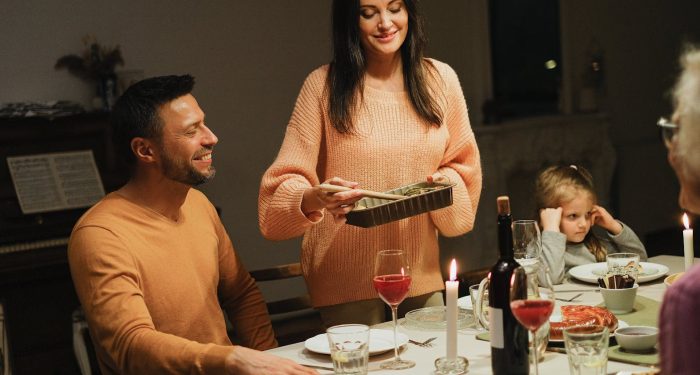
Last Thanksgiving, I watched my granddaughter's fingers dance across her phone screen while I sat three feet away, invisible as wallpaper.
The smell of sage and butter filled my daughter's kitchen, laughter bounced off the walls, and seventeen family members created a symphony of conversation. Yet I might as well have been sitting at the bottom of the ocean, watching life happen through thick glass.
When I cleared my throat to share a memory about her mother at that age, she glanced up briefly, offered a polite smile that never reached her eyes, then returned to her digital world.
That's when it hit me: I had become furniture. Essential to the scene, yes, like the good china we only use for holidays, but not truly seen or engaged with anymore.
When you become a checkbox on their to-do list
There's a particular kind of loneliness that comes with realizing you've transformed from a person into an obligation. Your adult children still invite you, of course. They'd never dream of excluding you from family gatherings. But somewhere along the way, your presence shifted from being desired to being required, like paying taxes or getting the oil changed.
You notice it in small moments. The way conversations flow around you but rarely include you. How they discuss plans for next summer while you sit right there, and nobody asks if you'd like to join. The gentle pat on your shoulder as they pass by, checking you off their mental list of "interactions with Mom" for the day.
During my years teaching high school, I watched teenagers navigate their social worlds with brutal honesty. They knew exactly where they stood with their peers. As I've aged, I've come to appreciate that clarity.
At least teenagers tell you when you're not part of the inner circle. Adults, especially your own children, wrap their distance in politeness and duty.
The art of being present but not participating
Virginia Woolf once wrote about being "alone in a crowd," but she couldn't have imagined how that phrase would resonate in a modern family gathering where everyone has a role except you.
The younger adults plan the meal, the middle-aged ones manage logistics, the children provide entertainment, and you? You're assigned the role of honored guest, which sounds lovely until you realize it means you're a spectator in your own family's life.
I've learned to recognize the choreography now. They guide me to the comfortable chair. They bring me a plate already prepared. They speak a bit louder when addressing me, though my hearing is perfectly fine. They share updates about their lives in sanitized summaries, the kind you'd give a distant relative at a reunion.
What they don't do anymore is ask for my opinion on anything that matters. They don't seek my advice about their struggling teenager or their career changes. They certainly don't want to hear about the article I'm writing or the online course I just enrolled in.
To them, I've crossed some invisible line where I've stopped evolving, stopped having anything new to contribute.
The stories they think they already know
Have you ever tried to tell a story from your past, only to watch your children's eyes glaze over as they mouth along to words they've heard before? But here's the thing: they don't actually know these stories. They know the outline, the bullet points they've constructed from half-listening over the years.
They think they know about my second husband's illness, but they don't know about the night I found him crying in the bathroom, embarrassed that his hands shook too much to button his shirt. They think they know about my teaching career, but they've never heard about Marcus, the student who wrote me a letter ten years after graduation saying my class saved his life.
The saddest part? I've stopped trying to fill in these gaps. When you're met with polite disinterest enough times, you learn to keep your rich, complex history to yourself. You become the simplified version of yourself that they're comfortable with.
Breaking through the pleasant prison
So how do we escape this well-meaning cage of irrelevance? The answer isn't comfortable, and it certainly isn't what Emily Post would recommend.
Sometimes you have to interrupt. Sometimes you have to refuse to be guided to that comfortable chair and instead pull up a stool at the kitchen island where the real conversations happen. Sometimes you have to stop being grateful for being included and start demanding to be engaged.
I've started doing something that would have horrified my younger self: I've become deliberately inconvenient. When my son starts discussing vacation plans without including me, I don't wait for an invitation. I say, "That sounds wonderful. I'm free that week too."
When my grandchildren are absorbed in their phones, I don't compete for their attention. Instead, I start doing something interesting myself, something that makes them curious enough to look up.
The pushback is real. There are awkward silences, confused looks, and sometimes gentle suggestions that I might be "more comfortable" doing something else. But comfort isn't connection, and I've had enough of comfortable isolation.
Finding your voice in the silence
The hardest truth about aging in a family isn't that they love you less. It's that they love a version of you that no longer exists, or perhaps never did. They love the idea of having you there, the continuity you represent, the box you check in their definition of "family."
But you're not a monument to their childhood. You're not a relic. You're a person who still wakes up with thoughts, dreams, and opinions that matter. The challenge is making them see that.
I've started sharing parts of myself they don't expect. I talk about the podcast that made me reconsider my political views. I mention the neighbor I've befriended who's teaching me to play chess. I reference current events with nuance that surprises them. Slowly, uncomfortably, they're beginning to see me as three-dimensional again.
Final thoughts
The title of this piece might sound defeatist, but recognizing the problem is the first step toward solving it. Yes, there's a unique loneliness in being surrounded by family who treat you like a museum piece. But we don't have to accept that role.
Your family might resist at first when you refuse to be background music to their lives. They might be confused when you assert yourself into conversations, share opinions they didn't ask for, or challenge their assumptions about what you need or want. That's okay. Discomfort is often the price of authentic connection.
The alternative is far worse: spending your remaining years as a beloved but barely noticed presence, a tradition observed but not truly experienced. You deserve better than that. We all do.
What’s Your Plant-Powered Archetype?
Ever wonder what your everyday habits say about your deeper purpose—and how they ripple out to impact the planet?
This 90-second quiz reveals the plant-powered role you’re here to play, and the tiny shift that makes it even more powerful.
12 fun questions. Instant results. Surprisingly accurate.