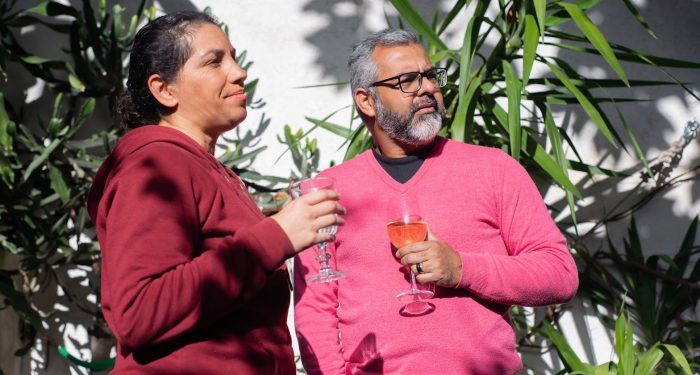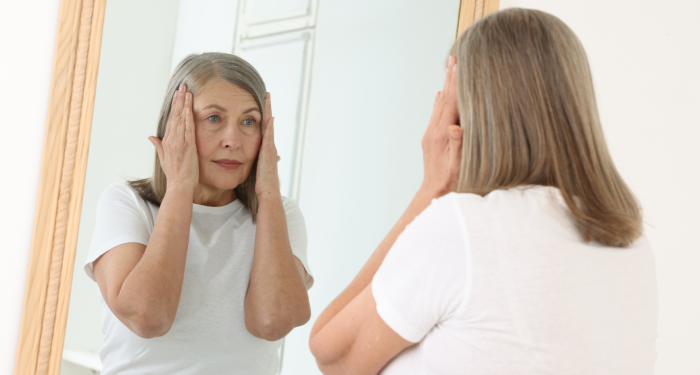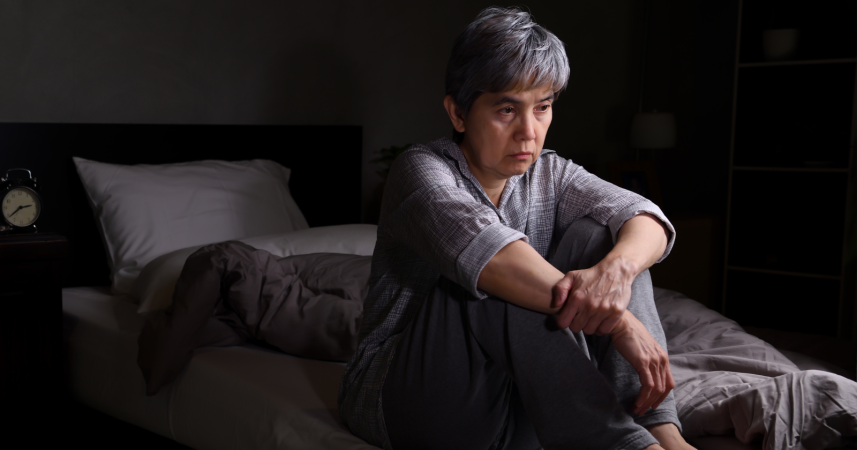
At 70, I discovered that while I still wake up curious and engaged with the world each morning, the world has quietly stopped noticing I'm here—like becoming a ghost who hasn't realized they've died yet.

Add VegOut to your Google News feed. 
Last Thursday morning, I sat in my favorite coffee shop watching a young couple at the next table plan their weekend.
They scrolled through event listings on their phones, debating between a new restaurant opening, a concert, and someone's birthday party.
Three invitations for one Saturday night. I stirred my lukewarm coffee and tried to remember the last time I had to choose between social events rather than wondering if I'd have any at all.
The title of this post might sound bleak, but stick with me. There's something liberating hidden in this truth that took me seven decades to understand.
The gradual disappearing act
You know that old philosophical question about whether a tree falling in the forest makes a sound if no one's there to hear it? Well, aging feels like becoming that tree. You're still standing, still growing, still part of the forest. But somehow, fewer and fewer people seem to notice you're there.
It doesn't happen overnight. First, the dinner invitations slow down because your friends assume you go to bed early now. Then your adult children start making holiday plans and remembering to include you feels like an afterthought. The world keeps spinning, conversations keep happening, plans keep getting made. They just happen increasingly without you.
I remember teaching Ellison's "Invisible Man" to my high school students year after year. Back then, I thought I understood invisibility as metaphor. Now I live it as reality.
The grocery store clerk looks through me to the person behind me in line. Waiters assume I'll order the senior special without asking. Young people speak louder and slower, as if age has affected my hearing and comprehension rather than just my knee joints.
When relevance has an expiration date
Have you ever noticed how quickly your stories become ancient history? Last week, I mentioned to my daughter's friend that I'd participated in the women's consciousness-raising groups of the 1970s.
She looked at me with the same expression my students used to have when I'd reference using a typewriter. Not just surprise at the technology or the times, but amazement that I'd ever been young enough to be part of anything current.
The world has moved on from needing my particular type of contributions. After 32 years of teaching, I knew teenagers better than most. I understood their struggles, their brilliance that adults overlooked, their desperate need to be seen as whole people.
But when I retired at 64, my knees shot from too many years standing on classroom floors, that knowledge became instantly obsolete. Nobody consults former teachers about education. We're like expired licenses, our authority revoked the moment we leave the building.
Virginia Woolf wrote, "The eyes of others our prisons; their thoughts our cages." But what happens when those eyes stop looking altogether? Is it prison or freedom when nobody's thoughts include you anymore?
The weight of empty calendars
My journal sits open every morning at 5:30 when I wake. I've written in it for years, but lately, I notice how much white space fills the pages. Not from lack of writing, but from lack of events to record. Monday looks like Wednesday looks like Saturday. The shape of time changes when nobody needs you to be anywhere particular.
I wrote once about finding purpose after retirement, how I discovered writing at 66 and felt reborn. That's still true. But purpose and relevance aren't the same thing. I can have all the purpose in the world sitting at my desk, crafting sentences, sharing wisdom.
But if a writer writes and nobody reads, is she still a writer? If a woman ages and nobody sees, does she still exist in any meaningful way?
The strange part is that my interest in life hasn't diminished. I still wake curious about the day. I still read voraciously, still form opinions about politics and culture, still feel the full range of human emotions. My inner life remains as rich as ever. But life itself seems to have marked me as background scenery, no longer a main character worthy of storylines and plot development.
The unexpected gift of invisibility
Here's what I didn't expect: there's a peculiar freedom in life's disinterest. When nobody's watching, you can finally stop performing. When nobody needs you to be anything specific, you can finally be exactly who you are.
I've stopped dyeing my hair, not as a statement but because I realized nobody cares what color it is. I wear comfortable shoes everywhere because nobody notices my feet. I speak my mind more freely because people discount my opinions anyway, so why not say what I really think?
Remember how exhausting it was to maintain relevance? The constant networking, the careful cultivation of relationships, the energy spent staying current and connected? That weight lifts when life stops demanding your participation. You become a tourist in your own existence, observing without the pressure to engage.
Finding life in the margins
If life has lost interest in me, perhaps I need to find the parts of life that never required its attention in the first place. The sunrise doesn't care about my age. Books don't discriminate based on relevance. My morning tea tastes the same whether I'm vital to society or invisible to it.
I've learned that grief doesn't shrink; you grow larger around it. The same might be true of invisibility. Maybe we don't shrink from life's disinterest. Maybe we expand beyond the need for its attention, finding sustenance in spaces that exist outside its narrow gaze.
Final thoughts
At 70, I've discovered that life losing interest in you isn't the tragedy I thought it would be. It's more like being released from a contract you didn't remember signing. Yes, there's loneliness in it.
Yes, there's grief for the person who used to matter in obvious ways. But there's also this unexpected peace in understanding that your worth was never actually dependent on life's interest in the first place. You just couldn't see that truth until life looked away.