Food culture shapes people more than we realize. The rituals, the exposure, the language, the comfort level, the subtle rules: they all leave a mark that follows you into adulthood.
After spending most of my twenties working in luxury F&B, I can say with confidence that you can learn a lot about someone by the way they behave in a restaurant.
Not in a judgmental way. More in the sense that certain habits, preferences, and instincts get baked into you depending on the environment you grew up in. And upper-middle-class households tend to shape people in very particular ways around food.
It doesn’t matter whether they’re at a Michelin-starred spot or a casual bistro. The cues show up instantly. The confidence, the comfort, the rituals, the small assumptions.
It’s not snobbishness. It’s cultural muscle memory. When food and dining have always been treated as experiences rather than transactions, you approach restaurants differently.
Over the years I’ve watched these patterns repeat again and again. So here are eight things upper-middle-class people tend to do in restaurants that quietly give away their background.
1) They scan the room before they even sit down
Most people walk into a restaurant and look for the host stand or their table. Upper-middle-class diners look at the room as a whole. They’re gauging the vibe, the lighting, the layout, the noise level, the bar, the spacing between tables.
It’s not pretentious. It’s instinct. They grew up in homes where the atmosphere of a meal was just as important as the meal itself. Lighting, seating comfort, and even acoustics mattered. So now they naturally read the room before they settle in.
When you’ve grown up treating dining as an experience rather than a necessity, you notice the environment in a different way.
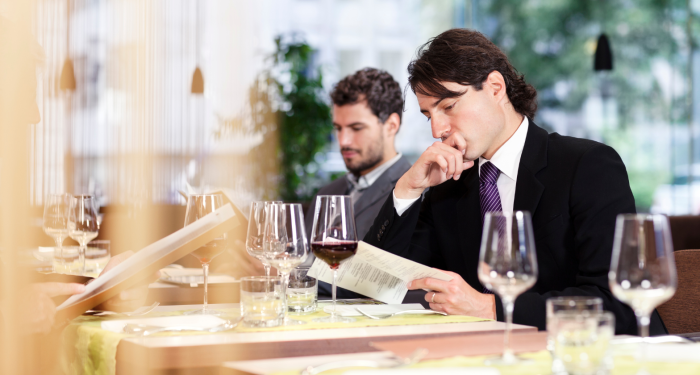
2) They read the menu strategically, not reactively
One thing I noticed working in high-end restaurants is how differently upper-middle-class guests read menus. Most people scan for something familiar or appealing. But this group reads the menu like a tiny biography of the chef.
They look for the dish that reveals the kitchen’s philosophy. They spot seasonal items immediately. They recognize when a protein or sauce clearly shows the chef’s training. They understand that the simplest dish often reflects the most skill.
This comes from growing up around intentional eating. When you’ve been taught to see food through the lens of craft rather than just flavor, the menu becomes a map instead of a list.
3) They pronounce dishes correctly without making a show of it
This is a subtle one, but it’s almost universal. Whether it’s French, Italian, Japanese, or something more regional, upper-middle-class diners tend to pronounce dishes properly and casually. No theater. No exaggerated accent. Just accurate.
This isn’t about trying to impress anyone. It’s simply what they picked up growing up around certain foods, traveling, or being exposed to diverse cuisine early in life.
When a household treats eating out as education as much as entertainment, the vocabulary sticks.
You can always tell when someone learned a pronunciation because it was part of their normal environment instead of something they practiced.
4) They treat the staff with polished ease
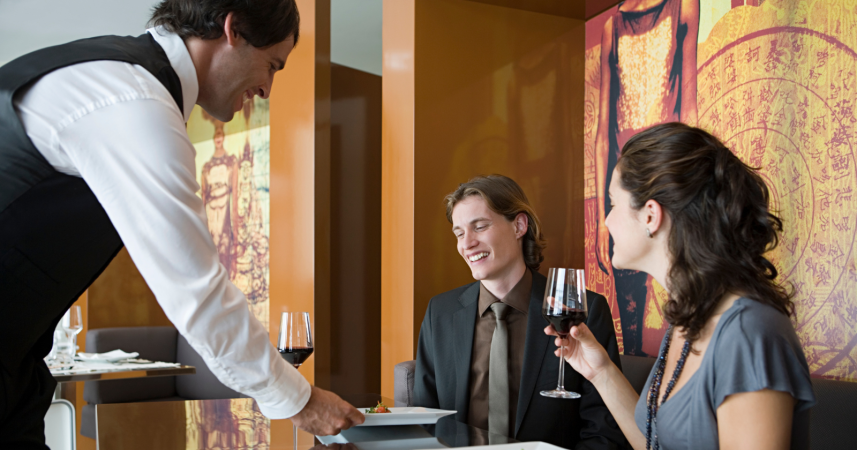
Upper-middle-class diners don’t tend to overdo it with servers, but they also don’t stumble through the interaction.
They know when to ask a question, when to wait, when to make eye contact, and when to hold off. They don’t bark orders. They don’t freeze up. They speak to the staff like peers in a shared experience.
This comes from familiarity. If you grew up going to restaurants regularly, you learned early that service is a partnership. You’re not supposed to dominate the interaction or avoid it. You’re supposed to move with it.
The tone is confident without being pushy. Comfortable without being casual to the point of disrespect. It’s a balance most people don’t realize is learned.
5) They order drinks with intention instead of impulse
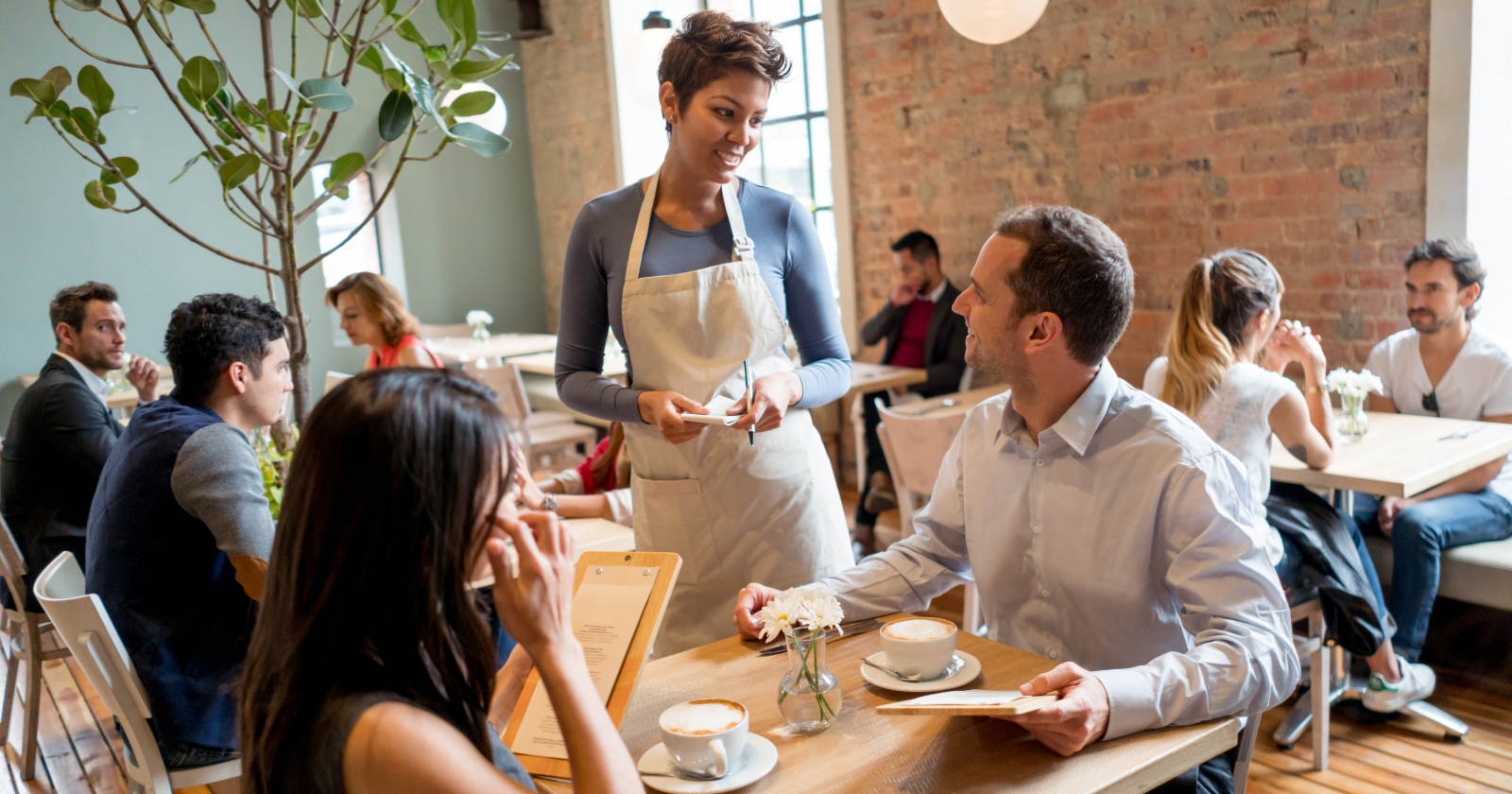
Upper-middle-class diners often treat drink orders the same way they treat food: with thought.
They pair their drink with the meal. They consider flavor profiles. They ask about the wine list without sounding lost. They choose cocktails based on ingredients rather than how sweet or strong something looks.
This habit usually comes from growing up in households where wine appeared at the dinner table or where parents talked about food pairings casually. Not in a snobby way, but in a “this enhances the meal” kind of way.
When drinking is framed as part of the experience rather than the goal of the evening, you develop a different relationship to it.
6) They ask the right questions
The questions upper-middle-class diners ask tend to be specific and informed. They don’t ask, “Is this good?” They ask, “What’s the preparation on the halibut tonight?” or “How rich is the sauce on the braised short rib?” or “Is the citrus vinaigrette more acidic or balanced?”
They’re not trying to be difficult. They’re trying to understand the dish. In homes where food was treated with curiosity, children often learned to speak about meals with nuance. So by adulthood, questions come out naturally.
The staff usually appreciates these questions because they show respect for the craft instead of treating everything like a mystery.
7) They never rush the experience
People from upper-middle-class backgrounds tend to treat meals as something to savor rather than a box to check. They’re not watching the clock. They’re not inhaling their food. They’re not itching to leave the second the plates are cleared.
They settle in. They enjoy the pacing. They appreciate the structure of the meal: starters, entrées, dessert, conversation in between. They don’t see dining out as a task. They see it as an event.
Growing up, meals were often one of the few times everyone slowed down, so the rhythm of a meal feels familiar and grounding.
This approach gives them a relaxed energy that stands out immediately.
8) They don’t overreact to price
This doesn’t mean they don’t care about money.
It means they understand what goes into quality food and service. They know the cost of ingredients, the training behind the kitchen, the overhead of running a restaurant. So they don’t gasp at menu prices or make comments about cost at the table.
When you grow up seeing your parents have intentional conversations about value rather than sticker shock, you develop a different perspective. You know when something is overpriced. But you also know when something is fairly priced for the experience provided.
This lack of performative reaction is one of the clearest giveaways of background.
Final words
Food culture shapes people more than we realize. The rituals, the exposure, the language, the comfort level, the subtle rules: they all leave a mark that follows you into adulthood.
Upper-middle-class diners aren’t trying to broadcast anything when they walk into a restaurant. Their habits simply reflect where they came from and the environment that taught them how to engage with food.
Those early experiences don’t just influence how a person eats. They influence how they move through the world.
Just launched: Laughing in the Face of Chaos by Rudá Iandê
Exhausted from trying to hold it all together?
You show up. You smile. You say the right things. But under the surface, something’s tightening. Maybe you don’t want to “stay positive” anymore. Maybe you’re done pretending everything’s fine.
This book is your permission slip to stop performing. To understand chaos at its root and all of your emotional layers.
In Laughing in the Face of Chaos, Brazilian shaman Rudá Iandê brings over 30 years of deep, one-on-one work helping people untangle from the roles they’ve been stuck in—so they can return to something real. He exposes the quiet pressure to be good, be successful, be spiritual—and shows how freedom often lives on the other side of that pressure.
This isn’t a book about becoming your best self. It’s about becoming your real self.