Some furniture trends never fade. From big sectionals to old recliners, these pieces reveal how comfort, nostalgia, and practicality shape the homes of the lower-middle class.

Add VegOut to your Google News feed. 
Something is fascinating about how furniture says more about people than we realize.
It’s not just about what’s stylish or affordable. It’s about what feels safe, what feels ours.
And nowhere is that clearer than in the homes of the lower-middle class, where practicality, nostalgia, and cultural consistency blend into a quiet rebellion against fast design trends.
These furniture choices aren’t random. They tell stories about resilience, identity, and sometimes, stubbornness in the face of change.
Let’s get into it.
1) The giant sectional sofa
If there’s one universal symbol of middle-income comfort, it’s the oversized sectional sofa.
You know the one. Part microfiber, part mystery fabric, deep enough to swallow you whole during a Netflix binge.
It’s not the most stylish piece. Designers might call it bulky. But for many, that’s the point.
It’s the center of family life. A space for kids to jump on, guests to crash on, and Sunday naps that stretch into the evening.
I remember visiting a friend in Fresno who had one that looked like it had seen better decades. But it worked. Every cushion told a story.
In a way, that lived-in comfort becomes a badge of pride. We hold onto sectionals because they remind us that home isn’t a showroom. It’s a soft place to land.
2) The glass coffee table with metal legs
You’ve seen it. The shiny glass-top table that’s somehow survived every move and every kid’s “oops” moment.
It’s been in circulation since the late 90s, but it refuses to die.
Why? Because it feels fancy without the price tag. There’s something psychologically satisfying about glass.
It’s transparent, clean-looking, and it reflects light in small spaces.
When money is tight, light matters. Glass tricks the eye into seeing more space, and more space feels like more freedom.
I once bought one of these tables off Craigslist in my twenties. It wobbled slightly, but I kept it for years.
It wasn’t just furniture. It was an illusion of having made it.
3) The entertainment center that holds everything
If you grew up in the early 2000s, you remember this one.
The big wooden entertainment unit that could fit a TV, DVD player, family photos, candles, maybe even a fishbowl.
Even in the era of wall-mounted screens and minimalist floating shelves, these pieces persist. They’re the command center of the home.
A physical reminder that “stuff” still matters.
Psychologically, it’s also about control.
There’s comfort in seeing everything neatly stored and visible. It creates a sense of order in a world that’s constantly shifting.
Whenever I visit small-town homes across California, this piece almost always shows up. Dusty but dignified. A monument to domestic stability.
4) The dining table that doubles as everything
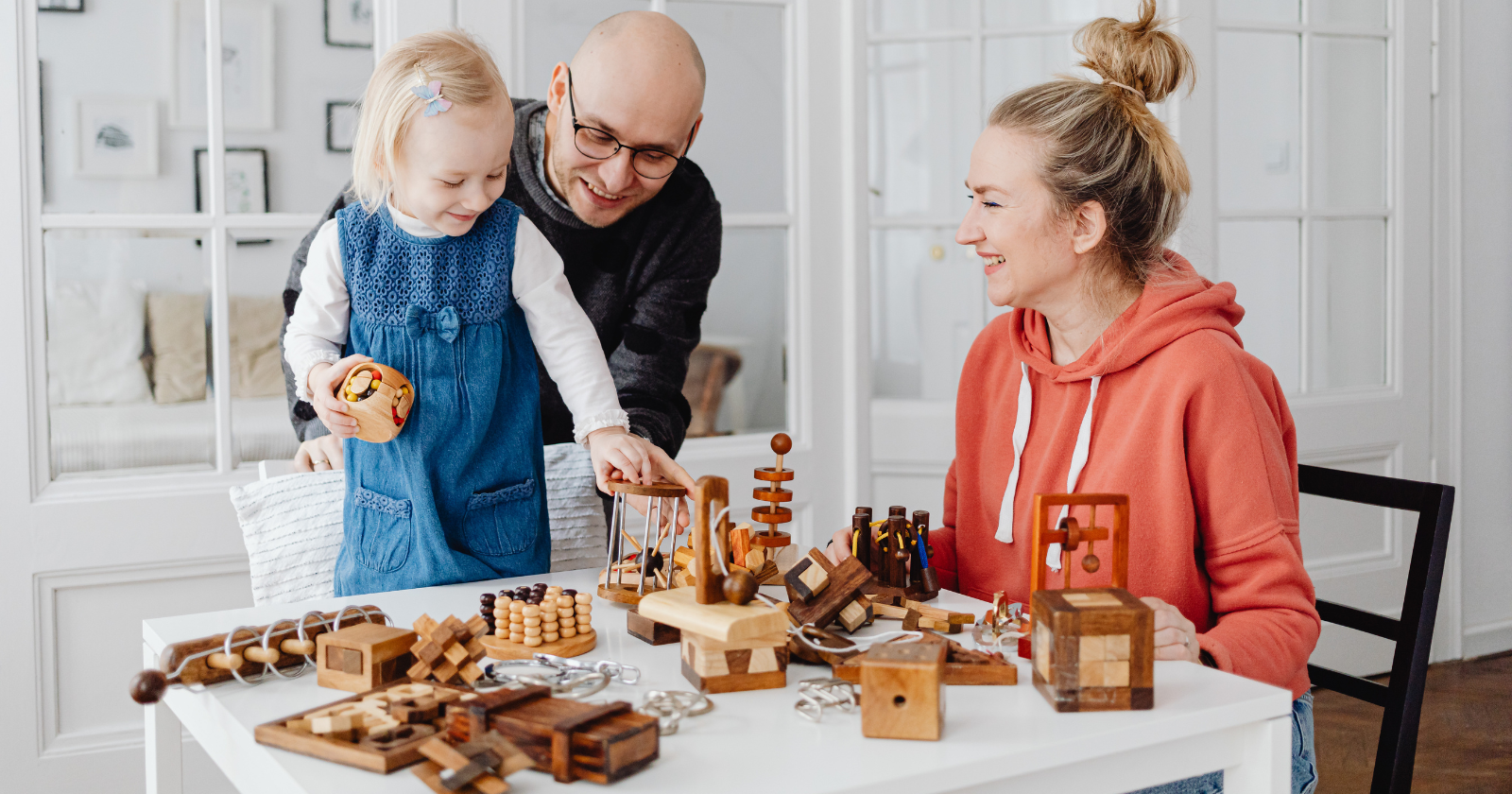
You know that one table where homework happens, dinner is served, bills are paid, and sometimes, hair gets dyed at midnight?
That’s the one.
Lower-middle-class homes are masters of multi-purpose spaces. A dining table isn’t just for dining. It’s an all-purpose surface that adapts to whatever life throws at it.
I’ve mentioned this before, but when I was freelancing full-time from my apartment, I worked at my dining table for years.
It was where I wrote, ate, planned trips, and sometimes fell asleep editing photos.
It’s not about having the perfect workspace. It’s about making do.
There’s pride in functionality, even if it doesn’t fit a Pinterest aesthetic.
5) The faux leather recliner
Ah, the recliner. The throne of the household.
Usually black or dark brown, it creaks a little, smells faintly of popcorn, and has a permanent indent from whoever claims it.
The recliner represents earned comfort. For many, it’s not just a chair. It’s a reward after long shifts, a private bubble of peace in a noisy home.
Even as design trends push for slim profiles and open silhouettes, this bulky chair stays put.
Because at the end of the day, comfort beats curation.
There’s something psychologically grounding about it, too. It’s yours. In shared households, ownership matters. It’s the one seat you can count on.
6) The mismatched dining chairs
This one always makes me smile.
You’ll often find a dining table surrounded by a mix of wooden, metal, and sometimes even plastic chairs.
Collected over time, bought secondhand, inherited, or rescued from the curb.
Designers call it “eclectic.” Most families just call it Tuesday.
It’s not that people don’t care about aesthetics. They just prioritize utility and cost.
But here’s what’s beautiful about it. This unintentional mix creates authenticity. It’s human.
Every mismatched chair tells a story about resourcefulness and adaptation.
And honestly, it’s a small rebellion against the culture of uniformity.
Life doesn’t match perfectly, and neither should our furniture.
7) The corner shelf full of knick-knacks
Minimalism may be trending, but for many, bare walls feel cold.
That’s why the corner shelf, loaded with souvenirs, Artificial plants, family photos, and the occasional graduation cap, never truly disappears.
It’s a visual autobiography. A gallery of memory and meaning.
I saw this in nearly every home I photographed during a volunteer project a few years back.
The objects weren’t expensive, but they were deeply personal. Each one anchored the space in identity and continuity.
Psychologically, clutter, when meaningful, provides emotional security. It tells the brain, “You belong here.”
And that’s something design minimalists often overlook. Sometimes, warmth comes from imperfection.
8) The hand-me-down dresser
Finally, the most resilient piece of all. The hand-me-down dresser.
It’s usually heavy, maybe chipped, maybe painted over three times.
It’s survived moves, kids, and sometimes even marriages.
And yet, it keeps going like a generational torch.
In a culture obsessed with “new,” the hand-me-down dresser stands for memory and sustainability, even if not intentionally so.
For many lower-middle-class families, this isn’t about eco-conscious choices. It’s about necessity that happens to align with values we’re only now celebrating.
When I think about mine, a thrifted oak dresser that once belonged to a stranger, it reminds me how possessions can outlast circumstances.
There’s humility and history in keeping something that’s been loved before.
The psychology behind holding on
Why do these trends stick around?
Because furniture isn’t just functional. It’s emotional.
Each of these pieces reflects stability in a world that’s anything but stable.
They remind us that home is not about trends or Instagram-worthy layouts. It’s about continuity, belonging, and comfort.
In psychology, there’s a concept called the endowment effect. We place a higher value on what we already own, simply because it’s ours.
That’s what’s happening here. These items become symbols of identity, effort, and endurance.
When you’ve worked hard for every purchase, you don’t replace it because it’s outdated. You keep it because it’s earned its place.
The bottom line
At the end of the day, furniture is less about aesthetics and more about emotion.
Sure, new trends will come and go. Curved sofas, minimalist tables, futuristic smart furniture.
But some pieces just feel right.
They connect us to our stories, our families, our values.
So before you laugh at that old recliner or mismatched chair, remember.
It might just be holding more meaning than you think.