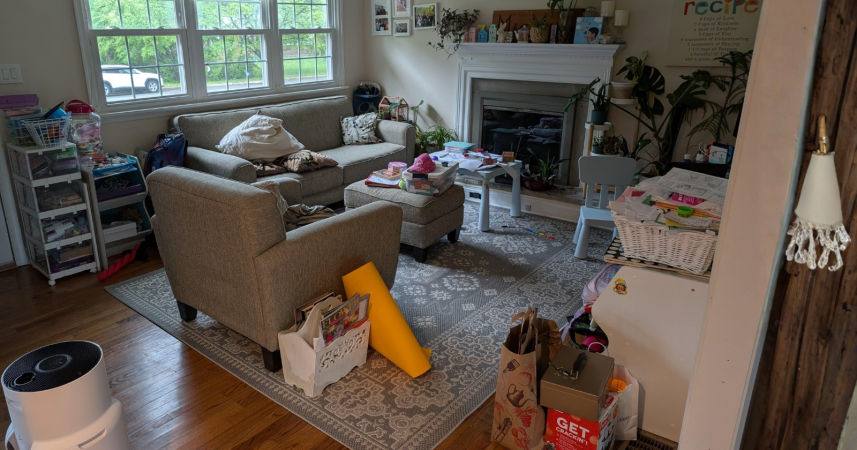
Spent a fortune but something still feels ‘off’? These 8 subtle decor missteps quietly cheapen even the most expensive homes.
We’ve all been there. You walk into a home that’s clearly expensive, with high-end finishes, designer furniture, and maybe even a scent that costs more than your favorite meal.
And yet, something feels off.
It’s not that the space lacks effort. It’s that certain details clash with the rest, quiet little mistakes that drain the luxury right out of the room.
The truth is, even the most beautifully designed home can lose its charm because of a few overlooked decor choices.
And while taste is personal, there are universal cues that instantly make a space feel cheap, no matter the budget.
Here are eight of the biggest offenders, and how to fix them.
1) Overmatching everything
When every piece of furniture, fabric, and finish perfectly matches, it stops looking intentional and starts looking like a hotel lobby.
Matching can look elegant in moderation, but too much of it flattens the personality of a room.
A beige sofa, beige curtains, and beige rug might look cohesive on paper, but in reality, it just feels dull.
Luxury homes don’t look like they came from a single store. They mix tones, textures, and eras in ways that feel effortless, even though there’s usually thought behind every detail.
Think in terms of contrast. Pair a sleek, modern sofa with a vintage side table. Add a textured throw to break up the surface of a leather couch.
The most beautiful rooms have variety and depth, not perfect coordination.
It’s a bit like cooking. The magic happens when you blend different flavors that complement each other, not when you keep using the same ingredient.
2) Bad lighting
Lighting is like the background music of a home. You don’t always notice it, but it changes the entire mood of a space.
Walk into a room with harsh overhead lights and suddenly even the nicest furniture looks uninviting. Too little light, and the space feels heavy and lifeless.
I learned this after renting an apartment with only one ceiling fixture, a cold white LED that made everything feel like a hospital waiting area.
Once I added a few lamps with warm bulbs, the same room felt twice as cozy.
The key is layering. Combine ambient lighting such as ceiling fixtures with task lighting like desk or reading lamps, and accent lighting like wall sconces or under-cabinet strips.
Also, pay attention to bulb color. Warm light creates a relaxed, welcoming mood, while cool tones tend to feel sterile. Even the most expensive decor can’t shine if the lighting is off.
3) Cheap-looking hardware and fixtures
Here’s something that surprises people. Luxury isn’t always about what you see first, but what you touch every day.
You can tell when a faucet handle wobbles, when cabinet knobs feel hollow, or when doorknobs look mass-produced.
These small tactile experiences send a subtle message that the space isn’t as high-end as it seems.
The good news is that hardware is one of the easiest upgrades you can make. Swap out generic silver handles for brushed brass, matte black, or textured finishes.
Update your light switches or faucets if they feel flimsy. These small details add up fast.
In restaurants, great chefs obsess over their tools, even though diners never see them.
That same level of care applies here. The better the materials you interact with daily, the more elevated your home will feel.
4) Ignoring scale and proportion
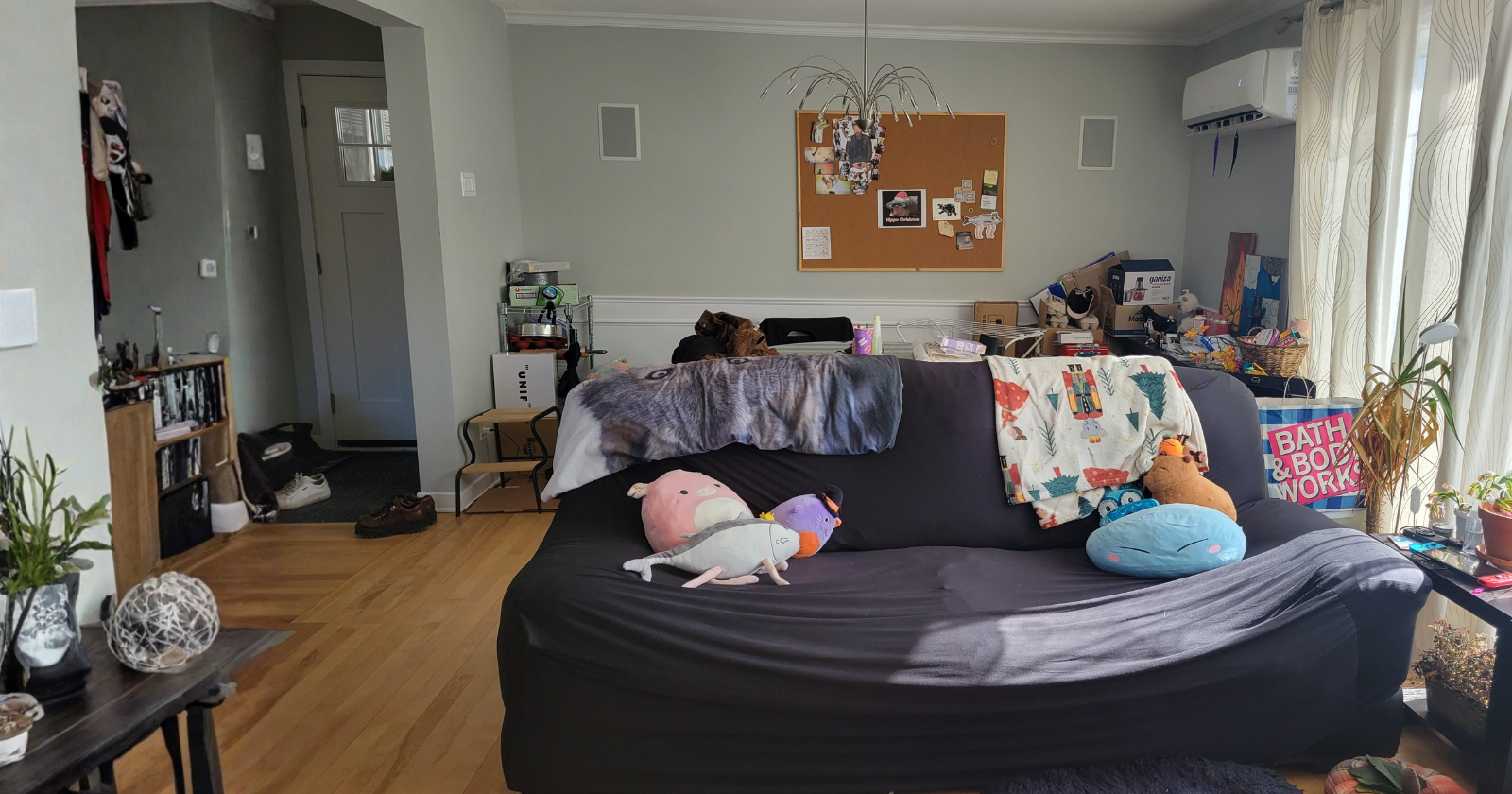
One oversized sectional can make a small living room feel cramped, while a tiny rug under a large table looks lost and awkward.
Luxury design gets the balance right. Everything feels proportionate within the space.
As a general rule, measure before buying, and use painter’s tape to map out potential layouts on the floor.
It’s a simple way to see how furniture will actually fit before you commit.
When I bought my first proper couch, I loved it in the showroom.
But when it arrived, it swallowed my entire living room. It took me months to realize the problem wasn’t the couch itself, it was the lack of proportion.
Beautiful rooms breathe. If your furniture doesn’t allow that, even high-end pieces will feel wrong.
5) Wall art that doesn’t fit the space
Too small, too high, too random. That’s how art can ruin an otherwise lovely room.
You could hang an original Picasso at the wrong height and still make it look cheap.
If you’ve ever walked into a room where tiny art floats in the middle of a huge wall, you know exactly what I mean. The proportions feel off, and your eye notices immediately.
Here are a few quick rules. Hang art so that the center sits at roughly eye level, around 57 to 60 inches from the floor.
Over a sofa, aim for artwork that’s about two-thirds the width of the furniture below. And if you’re unsure, bigger usually looks better than smaller.
Also, skip the mass-produced prints that pop up on every home decor site. Find local artists or even print your own travel photos.
Real art tells a story, and that story adds richness that can’t be bought.
6) Too many trends, not enough personality
A few years ago, everything was gray. Then came the all-white kitchens, the modern farmhouse look, and now the organic minimalist trend.
The problem isn’t following trends, it’s relying on them too much.
When your home looks like every Pinterest board from the last few years, it loses its soul. True sophistication comes from spaces that feel personal, not perfectly on-trend.
Mix in items that tell your story. A framed concert ticket, a piece you picked up while traveling, or something handmade.
These details give a home warmth and depth that no influencer aesthetic can replicate.
I once stayed in a small boutique hotel in Lisbon where every room had its own look.
The common thread wasn’t trendiness, it was personality. Each space felt like someone actually lived there. That’s what timeless design feels like.
7) Neglecting maintenance and cleanliness
You can own a million-dollar home, but if the grout is dirty, the windows are smudged, and the plants are dying, it won’t feel luxurious.
Cleanliness isn’t glamorous, but it’s essential. Dusty baseboards, cluttered countertops, and disorganized shelves all undermine the look you’re going for.
Luxury homes always feel cared for. It’s the attention to upkeep that makes a space feel high-end, not just the furniture or finishes.
It’s like in fine dining. You can have Michelin-star plating, but if the wine glasses are cloudy or the table is sticky, the entire experience falls apart.
Make maintenance part of your routine. Keep surfaces polished, replace dying plants, and refresh fabrics often. The care you show becomes part of the decor itself.
8) Bare or lifeless spaces
Finally, the mistake that’s both the easiest to make and the hardest to fix. Forgetting warmth.
Expensive doesn’t automatically mean inviting. A space can be beautifully designed yet still feel cold and lifeless if it lacks signs of real living.
Add elements that suggest life. A bowl of fresh fruit on the counter, a cozy throw over a chair, or an open book on the coffee table. Little details like these make a home feel human.
Plants are another powerful fix. They soften the space, improve air quality, and make rooms feel vibrant. Even one large plant in the corner or a few small ones on a shelf can transform the mood.
Perfection isn’t the goal. Warmth is. Homes are meant to be lived in, not curated like museum displays.
The bottom line
Creating a beautiful home isn’t about spending more money. It’s about noticing more details.
What makes a space feel cheap usually isn’t the cost of the furniture or the size of the house. It’s the small disconnects, the ignored finishes, and the lack of personal touch.
Design, like cooking, is an act of care. You can always feel when someone has poured thought and love into a space.
Take a slow walk through your home. Notice what feels off, what feels tired, and what could use a little warmth. Adjust, refresh, and most importantly, make it your own.
Because the real luxury isn’t in marble countertops or designer lamps.
It’s in creating a home that feels authentic, intentional, and unmistakably yours.