
The 60s sparked huge cultural shifts that still influence our lives today. Here are eight defining moments from that transformative decade and why they continue to matter.

Add VegOut to your Google News feed. 
Every decade leaves behind defining moments, but the 60s stand out as something else entirely.
The changes didn’t happen quietly or politely. They arrived in waves that challenged old systems and reshaped how people thought, lived, created, and connected.
Even though I wasn’t there to witness it firsthand, the impact shows up everywhere today.
It’s in the music we hear, the freedoms we exercise, and the conversations we’re finally brave enough to have.
Whenever I read about that decade, I picture a pressure cooker. Politics, art, identity, and technology building and building until they erupted into a new cultural reality.
And it always makes me wonder what we’re capable of reinventing now.
Here are eight cultural moments from the 60s that truly changed the world forever.
1) The rise of the Civil Rights Movement
Few forces in the 60s reshaped society as powerfully as the Civil Rights Movement.
Students, pastors, parents, and workers stepped into the streets to demand equality and justice. These weren’t abstract ideals. They were daily realities worth risking everything for.
Figures like Martin Luther King Jr., Rosa Parks, and John Lewis became symbols of moral courage. They challenged laws, systems, and long-accepted norms.
The movement led to major milestones like the Civil Rights Act of 1964 and the Voting Rights Act of 1965.
They didn’t solve everything, but they created a new baseline for what justice should look like.
I still remember the first time I read King’s Letter from Birmingham Jail. The line “Injustice anywhere is a threat to justice everywhere” stuck with me.
It makes you question your own role in the world even decades later.
That’s the legacy. A reminder that collective action can rewrite a nation.
2) The Beatles’ explosion onto the global stage
You can’t talk about the '60s without talking about The Beatles.
Their arrival in the United States in 1964 electrified the world and launched a cultural shift we still feel today.
It wasn’t just Beatlemania. It was a new kind of global youth culture taking shape.
Their sound challenged the rules. Their style influenced fashion. Their creativity pushed the boundaries of what modern music could be.
I often compare their impact to what great chefs do when they break culinary traditions.
They mix unexpected ingredients, surprise you with new pairings, and somehow create something that feels obvious in hindsight.
The Beatles didn’t just make music. They created a blueprint for what it meant to be an artist in a rapidly changing world.
3) The Summer of Love
The Summer of Love in 1967 was one of the most iconic moments of the decade.
Thousands of young people flooded San Francisco’s Haight Ashbury neighborhood in search of peace, creativity, community, and new ways of living.
It wasn’t neat or organized. But movements rarely are.
What made it transformative was the collective rejection of materialism and blind conformity. People experimented with art, music, spirituality, and alternative lifestyles.
If you’ve ever wondered where modern ideas about intentionality, mindfulness, wellness, and even plant-based eating got their spark, a lot of it traces back to this moment.
It was messy and idealistic and temporary. But it expanded the cultural imagination in a way that still influences us today.
4) The moon landing
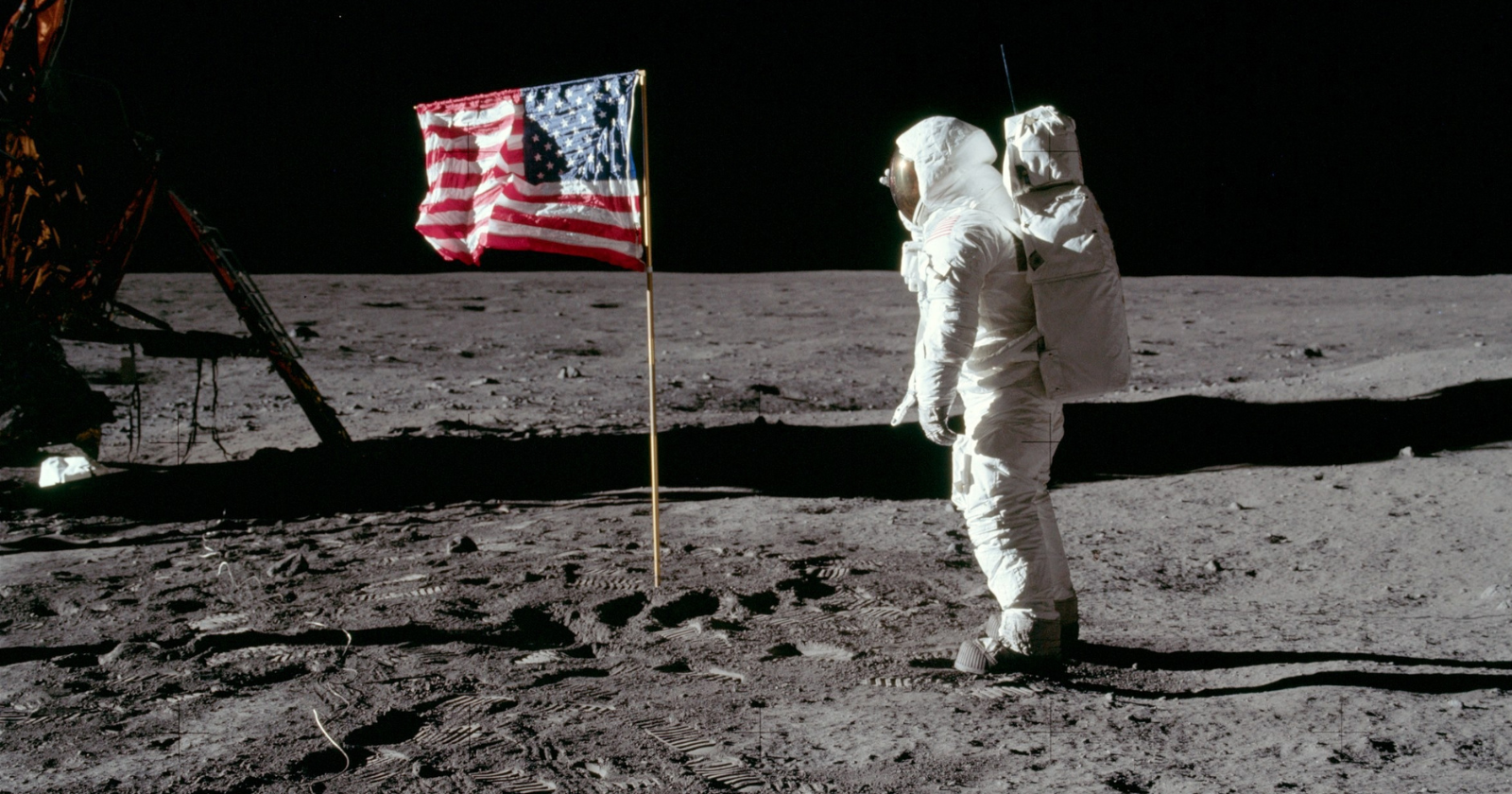
I often imagine what it must have felt like to watch the moon landing live.
Sitting in your living room in 1969. Watching the impossible unfold on a grainy screen.
Hearing Neil Armstrong take that first step and realizing humanity had crossed a threshold we’d only dreamed about.
The moon landing wasn’t just a technological achievement. It was a psychological shift. It pushed the boundaries of what people believed humans could accomplish.
So much of the technology we rely on today traces back to that drive toward space exploration. GPS, satellites, and global communication all grew out of this moment.
Whenever I’m practicing a difficult recipe or trying a new challenge in my life, I think about how huge leaps always start with small steps.
It’s the slow, steady consistency that makes the extraordinary possible.
5) The birth of modern feminism
The 60s also marked the rise of modern feminism and the second wave of the movement.
Books like Betty Friedan’s The Feminine Mystique exposed the frustration many women felt being trapped in narrow, predefined roles.
It sparked conversations about identity, work, autonomy, and equality.
Women weren’t just asking for change. They were demanding it.
The movement pushed society to confront issues like equal pay, reproductive rights, career opportunities, and the expectations placed on women in relationships and families.
What I find most meaningful is how it normalized questioning the status quo.
That spirit of challenging old systems is something we still rely on today when talking about equality in careers, leadership, and personal lives.
The movement made space for women to define their own paths instead of inheriting them.
6) The emergence of environmental consciousness
If you’ve ever carried a reusable bag or bought organic produce, you can thank a spark that ignited in the late 60s.
Rachel Carson’s Silent Spring revealed the dangers of pesticides and the damage being done to the environment.
It woke people up to the idea that the planet wasn’t an unlimited resource.
This shift led to the creation of the Environmental Protection Agency and the first Earth Day in 1970.
What stands out to me is how much this movement influenced the way we think about food.
Questions about sustainability, farming practices, soil quality, and our relationship with nature started gaining traction.
A lot of the values behind modern food culture have roots in this awakening.
7) Television becomes a household force
Before the 60s, television was a novelty.
By the end of the decade, it was in nearly every home.
The world suddenly had a shared screen where news, entertainment, and cultural shifts played out in real time.
Families watched major events together. Comedy shows shaped humor.
News broadcasts shaped opinions. TV became a platform for voices that had never been heard on such a large scale.
The way television connected people in the 60s reminds me of how social media connects us today. It influenced trends, sparked debates, and created shared cultural moments.
It also forced society to grapple with questions about truth, influence, and representation. And those questions haven’t gone away.
8) The explosion of protest culture
The 60s redefined what it meant to stand up for something.
Anti-war demonstrations, student protests, and global movements pushed people to challenge political decisions and demand accountability.
For the first time, massive groups of everyday citizens were organizing and using their voices publicly and consistently.
One thing I read in a leadership book has stayed with me. It said silence maintains the status quo, but action transforms it. That idea fits this decade perfectly.
The protest culture of the 60s showed that you don’t need power to create change. You need momentum and conviction.
It helped shape the modern understanding of activism and collective responsibility.
The bottom line
Looking back at the 60s, it makes sense why the decade feels mythic.
So much changed in such a short time. Music, technology, rights, identity, politics, the environment, and culture were all being reinvented at once.
The most inspiring part is that these changes didn’t come from extraordinary individuals. They came from regular people who were brave enough to question what didn’t make sense and bold enough to try something different.
If anything, the 60s remind us that culture is something we participate in every day. With every choice, habit, and action, we are shaping the world around us.
Maybe we’re overdue for another reinvention.
Until next time.