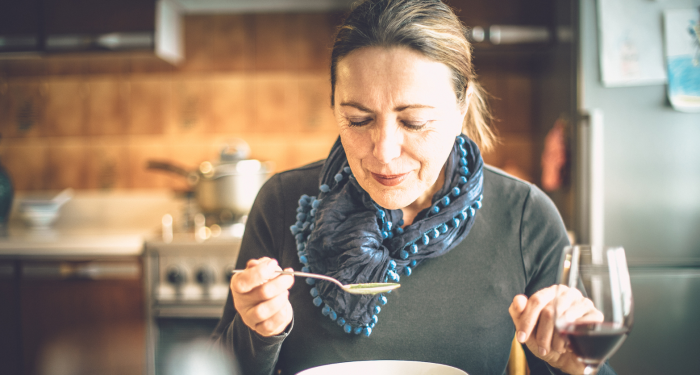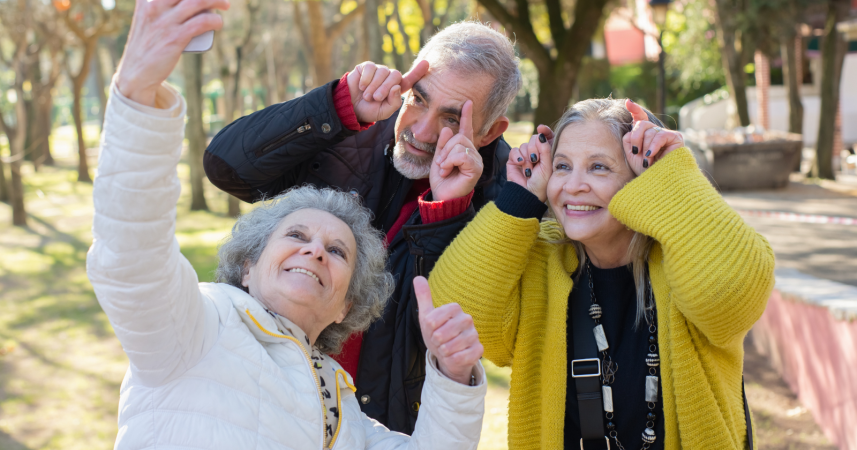
People over 65 who still look and feel young aren’t chasing youth—they’re investing in aliveness.
Staying “young” past 65 isn’t a magic gene.
It’s a stack of small, daily choices that compound—like interest, but for your body and mindset.
I’ve watched this up close with relatives, neighbors, and a few older friends who smoke me on weekend hikes.
Different backgrounds, yet same patterns—here are seven habits I keep seeing:
1) Move daily
Not sometimes—daily.
People who age well don’t treat movement like a chore as they treat it like brushing their teeth like it’s built in.
They walk after meals, they do light strength work, they stretch while the kettle boils, they garden, they carry groceries without the cart for a bit of bonus grip strength, and they dance in the kitchen because a favorite song comes on.
The mix matters: Cardio for the heart and brain, strength for muscle mass and bone density, and mobility for joints, posture and balance.
Power—think brisk hill walks or a few fast steps—to keep reaction time sharp.
If you want a simple template, try this:
- Walk at least 30 minutes a day, ideally in chunks around meals.
- Two or three times a week, add short strength sessions—push, pull, hinge, squat, carry (keep reps slow and controlled)—while, most days, spend five minutes on hips, ankles, and thoracic spine.
You’ll stand taller and move easier.
Is this complicated? Not at all, but it’s consistent and consistency is the cheat code.
2) Eat more plants
When I peek at the plates of older folks who glow from the inside out, I see color—berries, greens, beans, nuts, whole grains, bright veggies, herbs.
Less ultra-processed stuff, plenty of water, and not a lot of late-night heavy meals.
As a longtime vegan, I’m biased toward plants.
However, the habit here is about flooding your body with fiber and phytonutrients—compounds from plants that reduce inflammation, nurture your microbiome, and support heart and brain health.
Build meals around the “big four”: Beans or lentils, whole grains, vegetables, and healthy fats (like walnuts, tahini, or avocado). That combo is satisfying, protein-rich, and kind to your blood sugar.
Season boldly: Basil, cumin, garlic, lemon, chili flakes—these make veggies fun.
Front-load produce earlier in the day: A big salad or a saute of veggies at lunch makes dinner decisions easier.
Fiber is your friend and it’s the street sweeper for your system—people who age beautifully are often people who hit 25–35 grams of fiber without thinking about it.
3) Sleep like it’s your next workout
Here’s the quiet superpower: They protect sleep.
The folks over 65 who move with ease usually act like tomorrow’s energy is earned tonight.
They wind down, dim the house, keep their room cool and dark, and guard a regular sleep-wake rhythm—even on weekends.
A few simple levers I see them pull:
- They have a bedtime anchor, not just a morning alarm.
- They cut off caffeine early, and they’re strategic about afternoon naps—20 minutes, not two hours.
- They create a wind-down ritual. A hot shower, light reading, gentle stretching, or a short breathing practice.
Nothing heroic, just signals to the nervous system that it’s safe to power down.
Quality sleep keeps hormones, appetite, mood, and memory working for you instead of against you.
It also makes the next day’s movement possible—that’s the loop!
4) Stay curious

Youthfulness has a look, sure, but it’s also a vibe—an energy.
The older people who radiate it ask questions.
They learn new tools, they try new recipes, and they pick up hobbies that make their fingers clumsy for a while, then nimble.
A mentor of mine took up street photography in his seventies.
At first his photos were mostly blurry crosswalks and the backs of dogs.
Six months later, the man was catching reflections in puddles like a teenager who just discovered manual focus.
His eyes got brighter because his days got brighter.
Novelty challenges the brain, and challenge builds cognitive reserve—the brain’s “backup route” for memory and attention.
Curiosity also fights the shrinkage of life that can come with age; instead of narrowing, curious people expand.
Learn three chords on a guitar, follow a beginner’s tutorial for sketching hands, or maybe even sign up for a community class.
You don’t need a semester; you need a spark.
5) Invest in friendships
If I could bottle one habit and hand it out, it would be this.
People who look and feel young past 65 put relationships on the calendar—not just birthdays and holidays.
They walk with a friend, call their siblings, join a club, volunteer, mentor; they create intergenerational ties so their world doesn’t shrink to people who remember the same TV shows.
Conversations are medicine and laughter is a pressure valve.
Being needed gives life structure and meaning.
Even brief daily micro-connections—a chat with the barista, a hello to the neighbor—keep social muscles strong.
If you’re more introverted, you need consistency with a few good humans.
One standing date a week, one check-in text each morning, or one shared project—a garden bed, a book club, a walking loop—that gives you “together” without the pressure of small talk.
Isolation ages us fast, while belonging rolls the clock back.
6) Practice stress hygiene
We talk about dental hygiene and sleep hygiene, but let’s talk stress hygiene.
The people I admire in their late sixties and seventies rarely live stress-free lives.
They’ve just built daily pressure-release habits so stress doesn’t set like concrete.
What does this look like? Short, frequent resets, a two-minute box-breathing break between tasks, five slow exhales while waiting for the microwave, and a quick body scan before opening email.
These tiny pauses teach your nervous system to recover fast.
Nature doses: They step outside—even if it’s just a few minutes in the sun, a balcony with a plant, or a lap around the block.
Views of green or sky shift your physiology, and micro-escapes beat doomscrolling every time.
Boundaries with media: They skim enough news to stay informed, they choose long-form over outrage cycles, and they leave their phone in another room after dinner.
Creative outlets: Knitting, drumming, journaling, cooking, sketching—anything that gets mind and hands into the same rhythm.
That rhythm is calming and it’s also satisfying in a way that passive consumption can’t touch.
None of this is dramatic—and that’s the point!
These are small valves that let pressure out before it cracks the system.
7) Keep purpose and play in the same room
Meaning keeps people upright, and play keeps them light.
The youthful elders I know have a reason to get up—a garden to tend, a grandkid to walk to school, a cause to support, a craft to practice, a community to serve.
Purpose is the big compass, but they also keep mischief alive.
They cultivate levity, they say yes to the spontaneous coffee, the last-minute road trip, the goofy hat at the thrift store, and they treat joy like a muscle to be exercised.
Play is the spark.
When purpose gets heavy, play loosens it; when play gets aimless, purpose grounds it.
Keep them together and you get momentum that lasts.
A personal note
On hikes in California, I’ve been passed—politely—by a local in her late sixties who hikes three mornings a week, eats a mostly plant-forward diet, and treats her sleep like a meeting she can’t cancel.
She snaps wildflower photos on a phone older than mine and somehow gets better shots.
When I asked her secret, she shrugged: “I just don’t stop doing the things that make me feel good.”
That line stuck with me.
Don’t stop doing the things that make you feel good; pick one habit above and make it ridiculously easy, such as five push-ups against the kitchen counter during coffee brew or add a playful task on your calendar—karaoke, watercolor, paddle ball in the driveway.
Anchor it to something you already do, keep the bar low, track your streak for fun—not punishment—then add a second habit when the first one becomes automatic.
People over 65 who still look and feel young aren’t chasing youth—they’re investing in aliveness.
Just launched: Laughing in the Face of Chaos by Rudá Iandê
Exhausted from trying to hold it all together?
You show up. You smile. You say the right things. But under the surface, something’s tightening. Maybe you don’t want to “stay positive” anymore. Maybe you’re done pretending everything’s fine.
This book is your permission slip to stop performing. To understand chaos at its root and all of your emotional layers.
In Laughing in the Face of Chaos, Brazilian shaman Rudá Iandê brings over 30 years of deep, one-on-one work helping people untangle from the roles they’ve been stuck in—so they can return to something real. He exposes the quiet pressure to be good, be successful, be spiritual—and shows how freedom often lives on the other side of that pressure.
This isn’t a book about becoming your best self. It’s about becoming your real self.