If you were raised to stretch a dollar, that script is still running in the background. It’s why you check unit prices and skip the third drink.
Money isn’t just math. It’s culture.
If you grew up lower middle class, you probably learned a thousand tiny rules about spending without anyone sitting you down for a “money talk.” Those rules still show up at the grocery store, at restaurants, and when you look at your cart online and think, “Do I really need this?” I see it in myself all the time—at the farmers’ market, comparing tomatoes; at dinner, scanning the menu like a spreadsheet; even when I’m buying running shoes.
None of this is about shame. It’s about awareness. When you see the patterns, you can keep the ones that help and retire the ones that don’t.
Here are eleven signs from my own life (and a lot of conversations with friends) that suggest a lower middle class script is still shaping how you spend.
1) You think in price-per-use, not price tag
When I worked in luxury F&B, I watched guests justify a pricey chef’s knife with one phrase: “I’ll use it every day.” That logic was familiar. Growing up, everything was cost-per-wear or cost-per-meal. School shoes? Divide by 180 days. Backpack? “Will it survive two years?”
That mental model is actually powerful. It’s why I’ll spend on a heavy skillet, a mattress, or a winter coat but hesitate on flashy gadgets. If it lives in your hands daily, pay for quality. If it gathers dust, don’t kid yourself.
Where it trips you up is “buying cheap twice.” If the low-price version fails and you replace it, you didn’t save. The fix is a quick gut check: will this upgrade lower headaches for years? If yes, lean in. If not, wait.
2) Unit price labels decide your cart
Tell me you grew up scanning the tiny shelf tags without telling me. I still compare price per ounce on olive oil like I’m prepping for a quiz. It started as survival—stretch a budget and still eat well. It became sport.
Unit price thinking keeps your groceries sane. It also pushes you toward bulk… which can backfire if you’re buying more than you’ll use. In a restaurant kitchen, we used a simple rule: buy big for staples that never go to waste (rice, salt, dried beans), buy small for flavor bombs (spices, specialty condiments).
The same rule works at home. Five pounds of basmati? Sensible. A gallon of truffle oil? That’s a flex you’ll regret.
3) “Name brand for this, store brand for that” is second nature
Where I grew up, there were sacred brand loyalties—peanut butter, pasta sauce, certain cereals—and then everything else was fair game for the store brand. That split still lives in my head. I’ll splurge on good butter but grab generic sugar without blinking.
This strategy can be smart if you revisit it. Sometimes our “must be name brand” items are just inherited preferences. Taste-test with friends or family.
My own update: I choose brand names for things where quality changes the experience (coffee, oils, chocolate), and I go store brand for basics where differences are negligible (flour, canned tomatoes, vinegar). Bonus points if you can actually taste the difference side by side; it’s a fun little experiment.
4) You default to water at restaurants
If a drink costs as much as an appetizer, my brain taps the brakes. It’s not about deprivation; it’s the reflex to cut add-ons that balloon a bill. I’ll order one great entrée and skip the soda or cocktail unless the drink is the point—like a place known for a perfect negroni or a housemade ginger beer.
There’s a useful psychology here. Restaurants design menus around high-margin items: drinks and desserts. Opting for water and sharing one dessert cuts the total without shrinking the experience. If I do get a drink, I try to choose it like an entrée—on purpose. An excellent glass of wine? Yes. Three careless refills of something I didn’t even want? No.
5) “Leftovers become lunch” isn’t a plan, it’s a reflex
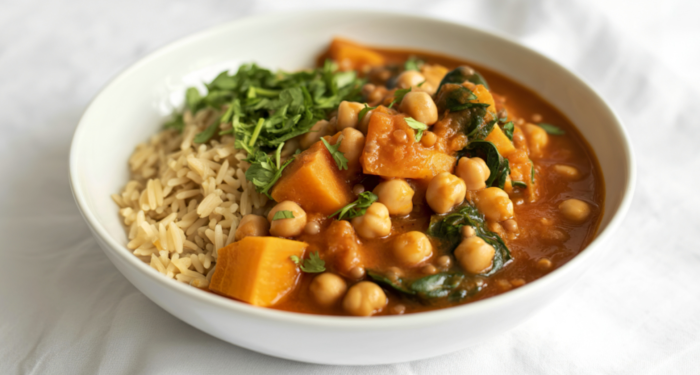
We didn’t waste food growing up. If pasta went untouched, it was tomorrow’s frittata. Roast chicken leftovers became soup. To this day, I mentally convert dinner into two meals while I’m cooking. When I order a big plate of something rich, I box half without ceremony.
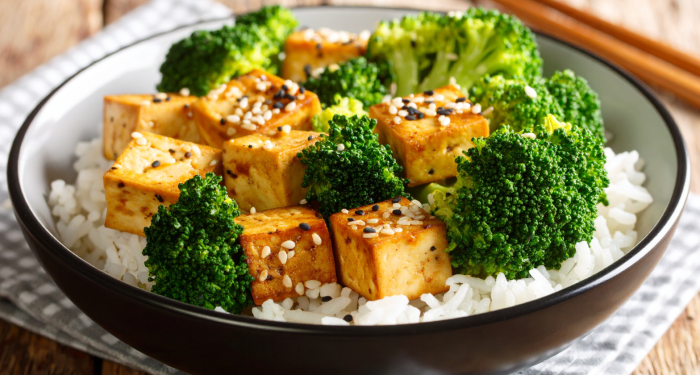
In hospitality, we call this second-use magic. It’s how restaurants keep margins healthy—yesterday’s roasted vegetables become today’s grain bowl special. At home, it’s how you eat well without spending twice. My personal best: one roast of vegetables, four outcomes—tacos, grain bowl, omelet, soup. You don’t need new recipes; you need one good sauce and a willingness to mix it up.
6) You hesitate to open the “nice” bottle
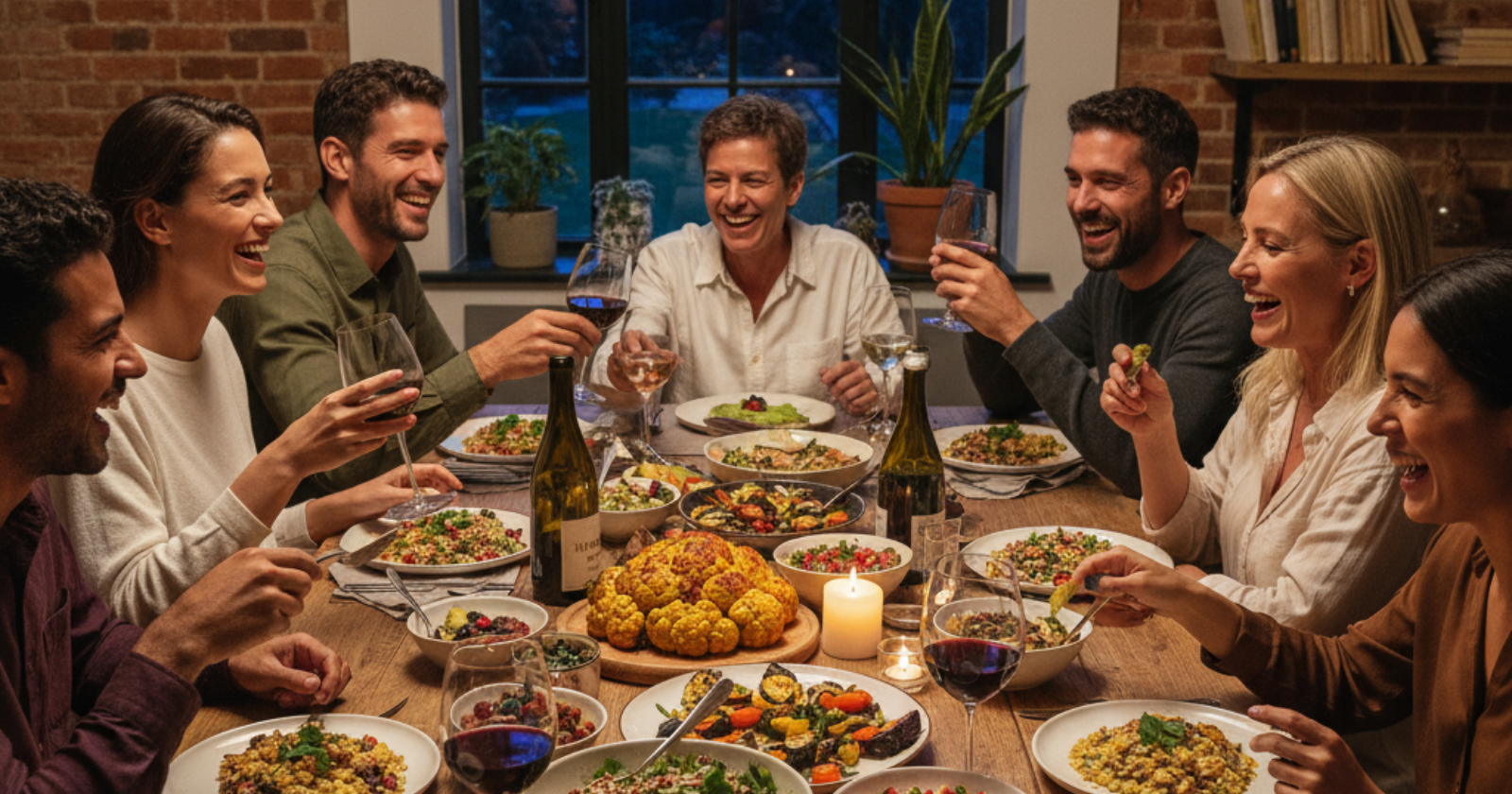
Maybe you had a cabinet growing up with things “for guests”—the good plates, the fancy syrup, the holiday-only chocolates. I catch myself saving the good olive oil or the pristine bar of dark chocolate for a mythical future dinner party. Meanwhile, an ordinary Tuesday goes by.
Here’s what service taught me: the right moment is the one you’re in. Use the good bottle with friends on a Wednesday. Open the special jar for that simple tomato salad you’re eating alone. You honor the purchase by actually enjoying it, not by letting it age into irrelevance.
7) You buy the tool after the habit
Gym? Start with the free park workout. Running? One decent pair of shoes, not a closet of gear. Cooking? Knife, board, pan—then expand. If a habit sticks, upgrade.
I’ve made peace with this. It’s not being cheap. It’s being honest about enthusiasm curves. The spreadsheet version of me wants to go “all in” on a new hobby. The lower middle class version says, “Prove it.” The happy medium: set milestone upgrades. Ten runs? Buy the nicer joggers. A month of home cooking? Get the Dutch oven you’ve been eyeing. You reward the habit without throwing money at the fantasy.
8) Sales are a siren song—and a trap you’ve learned to navigate
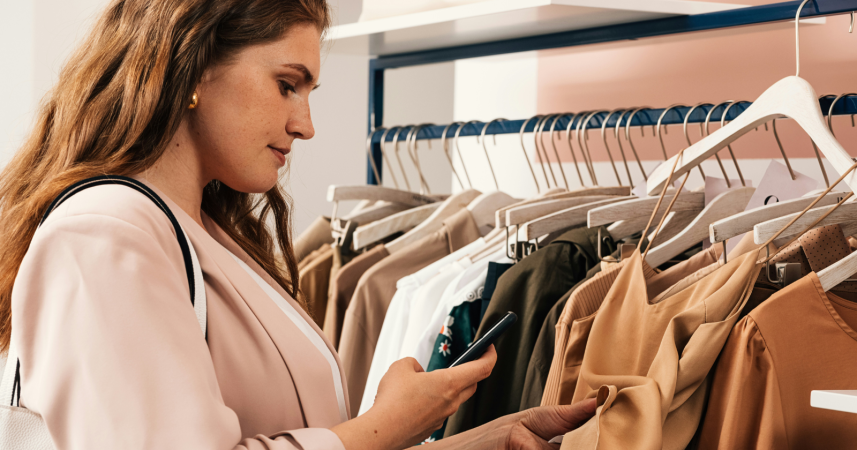
“Clearance” used to switch my brain into grab mode. The older I get, the more I ask two questions: would I want this at full price, and where will it live? If I can’t answer both, I let it go.
Sales are fantastic for staples you’ll use regardless: your go-to coffee beans, white tees, sheets, pantry essentials. They’re also where carts fill with “almosts.” In restaurants, we learned that discounting the wrong thing creates waste. Same at home. A half-off sweater you never wear is 100% clutter.
9) Cash flow beats status
Lower middle class math taught me to look beyond sticker price to monthly strain. A cheaper car that drinks fuel? Not cheap. A small place near work that slashes commute time and stress? That’s luxury without the price tag.
This is why I’ll spend on location, time, and comfort before logos. A table in a restaurant with good acoustics is worth more to me than a corner seat with a view if I can’t hear the people I’m with. Privately, I call these “silent flexes”—choices that improve daily life without announcing themselves.
10) You compare menus like a CFO
When you’ve been on both sides of the pass, you can’t not notice menu engineering. I scan for the dishes where the kitchen shines and the value is real. If the pasta is house-made, I lean in. If the “market catch” is a species I love, I’ll pay for it. But I skip the overpriced bread basket and the safe-but-boring chicken.
Ordering this way isn’t joyless. It’s targeted. I walk into a neighborhood bistro looking for the dish they care about—the one that tastes like someone in back is proud. Oddly, spending can go up when you think like this, because you’re paying for intention, not padding the bill with filler.
11) And finally, you’re generous in the ways that mattered in your house
We didn’t tip like whales growing up. But we were generous with time, with rides, with a casserole when someone was sick. I carry that forward in a modern way. I tip well for good service because I’ve been on that side. I buy from friends’ small businesses. I’ll splurge on a celebration dinner and then live simply for a week without feeling whiplash.
Generosity doesn’t always need a receipt. Offering to host, picking up the dessert everyone loves, bringing the good olive oil to share—those are lower middle class love languages, updated. You treat money as a tool for moments, not medals.
The bottom line
If you were raised to stretch a dollar, that script is still running in the background. It’s why you check unit prices and skip the third drink. It’s why you save the fancy chocolate and then remember life is short and eat it. It’s why you buy better for things you touch daily and happily live without the status fluff.
The goal isn’t to erase the old rules. It’s to edit them. Keep price-per-use and leftovers-as-lunch. Upgrade “save it for guests” to “share it with the people you love now.” Let sales serve your staples, not your impulses. Spend on time and comfort. Order the dish the kitchen cares about.
Most of all, choose on purpose. That’s the habit that turns any budget into a better life—one plate, one purchase, one quiet flex at a time.
Just launched: Laughing in the Face of Chaos by Rudá Iandê
Exhausted from trying to hold it all together?
You show up. You smile. You say the right things. But under the surface, something’s tightening. Maybe you don’t want to “stay positive” anymore. Maybe you’re done pretending everything’s fine.
This book is your permission slip to stop performing. To understand chaos at its root and all of your emotional layers.
In Laughing in the Face of Chaos, Brazilian shaman Rudá Iandê brings over 30 years of deep, one-on-one work helping people untangle from the roles they’ve been stuck in—so they can return to something real. He exposes the quiet pressure to be good, be successful, be spiritual—and shows how freedom often lives on the other side of that pressure.
This isn’t a book about becoming your best self. It’s about becoming your real self.