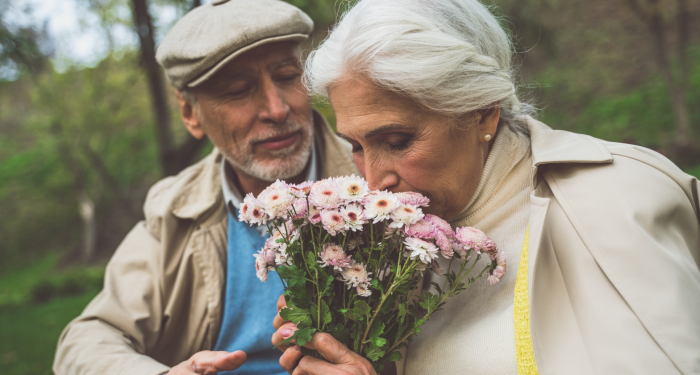
From slow mornings to unspoken trust, these 10 Scandinavian rituals show that true happiness often hides in life’s calmest moments.

Add VegOut to your Google News feed. 
We all know the Nordic countries top those global happiness rankings year after year.
It’s not because they’ve discovered some secret formula or a new strain of serotonin in the air.
It’s their habits. Small, intentional choices woven into daily life that keep their well-being quietly high, even when it’s dark for half the year.
Let’s unpack what they’re doing differently and what we can learn from it.
1) They embrace simplicity
Scandinavians are masters of minimalism. Not in the Instagram "all-white apartment" way, but in the "I don’t need ten versions of this thing" way.
Their homes, wardrobes, and even social calendars reflect a kind of calm intentionality. They value function and quality over quantity.
I noticed this when visiting Copenhagen a few years ago. Cafés were simple, uncluttered, and somehow felt luxurious in their restraint.
There’s a sense that when you own less, your mind feels lighter too.
And that’s not accidental.
Research in environmental psychology shows clutter can raise cortisol levels and increase mental fatigue. The Scandinavian answer?
Simplify what you can control so you have more space for what actually matters.
2) They prioritize nature
If you’ve ever met a Swede or a Norwegian, you’ll notice one thing: they love the outdoors. Rain, shine, snowstorm, they’re out there.
There’s even a word for it: friluftsliv, meaning “open-air living.” It’s the belief that spending time in nature isn’t a luxury, it’s essential.
In contrast, many of us wait for the perfect weather, the right gear, or the weekend to step outside. Scandinavians just go.
Personally, since going vegan years ago, I’ve found my connection to nature deepened in similar ways. You start noticing the rhythm of seasons, the smell of wet leaves, the stillness of a frozen lake.
That connection, and its reminder that life moves cyclically, can bring a grounded kind of joy that no dopamine rush from a screen can match.
3) They make time for coziness
You’ve probably heard of hygge, that Danish word that roughly translates to “cozy togetherness.” It’s one of those concepts that sounds like marketing until you actually live it.
It’s lighting a candle on a cold morning, sharing hot soup with a friend, or curling up with a good book without guilt. It’s presence.
I started adopting little hygge habits myself, like lighting a candle when I write in the morning or using ceramic mugs instead of to-go cups. Tiny changes, big emotional difference.
The takeaway isn’t to romanticize coziness, but to recognize that comfort isn’t indulgence. It’s how you recharge so you can show up better for life.
4) They trust their communities
This one might be the hardest for outsiders to replicate. Scandinavian societies have unusually high levels of social trust in government, neighbors, even strangers.
You’ll see kids left in strollers outside cafés while parents sip coffee inside. People actually follow traffic rules without cameras watching.
That trust doesn’t come from nowhere. It’s built over generations through fairness, transparency, and shared responsibility. But it creates an invisible safety net of psychological security.
In contrast, many Western societies run on hyper-individualism, always on guard, always competing. The Nordics remind us that when people trust each other, stress naturally decreases.
Trust, it turns out, might be one of the most underrated happiness hacks.
5) They keep work-life balance sacred

Work is important in Scandinavia, but it’s not life.
They work fewer hours than most of the developed world yet maintain some of the highest productivity levels. How? Focus and boundaries.
In Denmark, people actually leave work on time because they know life continues after the office. In Sweden, there’s a deep respect for lagom — the idea of “just enough.” Not too much, not too little.
I remember talking to a Swedish friend who said, “We don’t live to optimize; we live to sustain.” That hit me hard.
In a culture that glorifies burnout and busyness, the Scandinavian approach feels quietly rebellious. But maybe that’s why they’re happier. They’ve realized balance isn’t laziness. It’s wisdom.
6) They eat with awareness
Nordic diets are full of whole grains, root vegetables, legumes, and berries, foods that are both simple and seasonal.
While I’m vegan for ethical reasons, I can’t help but admire the Nordic approach to mindful eating. It’s not about restriction but respect, for the environment, for local produce, and for the body.
Meals aren’t rushed. They’re shared, often with conversation that stretches beyond the plate. Eating isn’t multitasked; it’s an experience.
This slow, communal rhythm around food reminds me of something I’ve mentioned before: the way we eat is the way we live. If we rush one, we probably rush the other.
7) They value equality and fairness
Nordic happiness isn’t just personal, it’s structural. These are societies built on equality, from healthcare and education to gender balance and parental leave.
That sense of fairness seeps into everyday life. People don’t measure worth by wealth or status; humility is a virtue.
There’s even a cultural principle in Sweden called Jantelagen, the “Law of Jante,” which discourages boasting and emphasizes collective well-being over individual showmanship.
While it might sound restrictive, it actually creates a powerful foundation of social belonging. People don’t feel left behind, and that reduces stress and resentment, two major happiness killers.
8) They don’t chase perfection
Perfectionism, especially the self-improvement kind, is practically a global epidemic. But in Scandinavia, there’s less obsession with flawless outcomes and more acceptance of “good enough.”
A Finnish concept captures this perfectly: sisu, a kind of quiet perseverance mixed with resilience. It’s not about always winning or doing things perfectly; it’s about enduring with integrity.
That mindset allows people to stay grounded when life isn’t Instagram-ready.
When I was learning photography, I struggled with this. I’d take a hundred shots chasing the “perfect” frame, only to realize later that the imperfect, slightly blurry ones carried the most emotion.
Nordic culture gets that. They embrace imperfections as part of the story, not something to fix.
9) They take downtime seriously
Here’s something surprising. Most Scandinavian countries legally require at least four to five weeks of vacation every year, and people actually take it.
In fact, during July, entire offices close down. It’s not seen as slacking off but as maintenance for creativity, relationships, and mental clarity.
Compare that to the U.S., where unused vacation days pile up like a badge of honor.
Happiness isn’t about working harder. It’s about knowing when to stop. The Nordics build recovery right into their system.
Downtime isn’t optional; it’s a pillar of their well-being.
10) They nurture small, real connections
Finally, perhaps the simplest but most important habit: meaningful connection.
While the rest of the world scrolls through highlight reels, Scandinavians prioritize real presence, dinners with friends, family walks, unhurried conversations.
Loneliness is a global epidemic, yet the Nordics have managed to buffer against it by keeping community alive in small, intentional ways.
There’s a Finnish saying I love: “Happiness is having someone to drink coffee with.”
It’s not about chasing grand adventures or accumulating likes. It’s about belonging, and remembering that joy, in its purest form, is often shared.
The quiet truth behind Nordic happiness
Scandinavian happiness isn’t loud. It doesn’t flex or sparkle on social media. It’s steady, understated, and built on habits that anyone can practice, wherever they live.
Simplicity. Nature. Trust. Balance. Real connection.
You don’t have to move to Stockholm to find that kind of contentment. You just have to live a little more like they do, slowly, intentionally, and with a deep respect for enough.
Maybe that’s the real secret. Not the pursuit of happiness, but the practice of it.
If You Were a Healing Herb, Which Would You Be?
Each herb holds a unique kind of magic — soothing, awakening, grounding, or clarifying.
This 9-question quiz reveals the healing plant that mirrors your energy right now and what it says about your natural rhythm.
✨ Instant results. Deeply insightful.

Jordan Cooper
Jordan Cooper is a pop-culture writer and vegan-snack reviewer with roots in music blogging. Known for approachable, insightful prose, Jordan connects modern trends—from K-pop choreography to kombucha fermentation—with thoughtful food commentary. In his downtime, he enjoys photography, experimenting with fermentation recipes, and discovering new indie music playlists.
More Articles by Jordan