The little rituals, from Sunday dinners to family stories, mattered more than we knew. Here are ten traditions worth keeping alive before they disappear.

Add VegOut to your Google News feed. 
When you think back on your childhood, what stands out most?
It’s rarely the expensive gifts or the big vacations.
More often than not, it’s the small things, the repeated moments that shaped the rhythm of family life without us even realizing it.
Traditions have a funny way of sneaking up on you.
You don’t think much of them when they’re happening, but years later, you realize they anchored you in ways nothing else could.
Here are ten family traditions that seemed ordinary at the time but meant more than we ever gave them credit for.
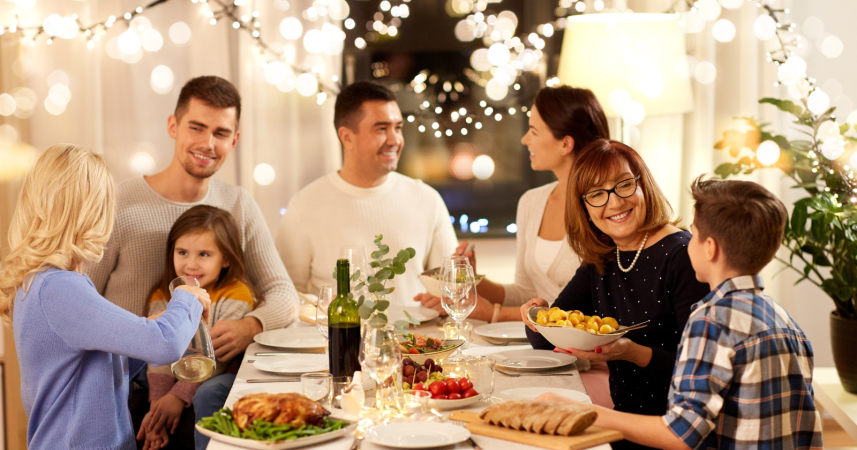
1) Sunday dinners
For many families, Sunday dinner was non-negotiable. It didn’t matter how busy the week had been; everyone showed up.
It was the one time of the week when phones were off, conversations flowed, and everyone had a seat at the table.
These dinners taught consistency, connection, and presence. Even if you weren’t close to your family, that ritual created a rhythm that grounded you.
Today, with everyone scattered and schedules overloaded, it’s one of the first things that slips away. And yet, it’s probably the one we need most.
2) The annual family vacation
Remember those road trips that felt like they took forever? Crammed into the backseat, snacks running out by hour two, and someone always asking, “Are we there yet?”
Those trips were chaotic, sure. But they were also bonding experiences disguised as logistical nightmares.
They forced everyone into the same space with no screens, no separate routines, and no escaping into your own world.
You learn how to be patient, to compromise, and maybe a few questionable songs from your parents’ favorite playlist.
Even now, when families can afford fancier getaways, that same togetherness is harder to recreate.
The simplicity of piling into a car and just going somewhere together is what made it special.
3) Decorating for holidays
There was something magical about pulling old boxes out of storage and unwrapping decorations that had been in the family for years.
The smell of pine needles, the sound of holiday music in the background, maybe someone burning cookies in the kitchen, those moments signaled more than a change of season.
They represented shared effort and excitement. Everyone contributed something, even if it was untangling a mess of lights or hanging the same worn ornament in its “traditional” spot.
When you move out and decorate your own space for the first time, it hits you just how much those messy, imperfect decorating days mattered.
4) Birthday traditions
Not the big parties, the traditions. Maybe it was a homemade cake with way too much frosting. Maybe it was your dad’s off-key version of “Happy Birthday.”
Maybe it was breakfast in bed, or a simple family dinner where everyone told a story about you. These rituals taught us that being celebrated didn’t require extravagance.
It was about being seen, even for one day, and feeling valued just for being yourself.
As adults, birthdays often become another item on the calendar. But those early traditions taught us something deeper about appreciation, both giving and receiving it.
5) Movie or game nights

There was always that one night a week when the TV remote or board game box came out and everyone gathered around.
It didn’t matter what was playing; sometimes it was a classic, sometimes something new. Popcorn burned, drinks spilled, and there was always that one sibling who took Monopoly way too seriously.
But here’s the thing: those nights were training grounds for patience, humor, and connection.
You learned to laugh when things didn’t go perfectly. You learned that the point wasn’t the game or the movie, it was that everyone was there, together, in the same room.
6) Family chores or “Saturday cleanup”
This might not sound sentimental, but something was unifying about everyone being dragged into weekend cleanup duty.
Whether it was yard work, laundry, or scrubbing the kitchen floor, it was never fun, but it was shared.
These moments taught teamwork and accountability. They showed that maintaining a home was everyone’s responsibility, not just one person’s job.
I remember my mom turning on music to make cleaning feel less like a chore. She’d say, “If we do it together, it’ll go faster.” And she was right.
Now, when I clean my own place with music playing, I realize that was more than just background noise. It was a subtle lesson in cooperation and shared effort.
7) Family storytelling
This might be one of the most underrated traditions of all.
Every family has its legends, stories that get retold a hundred times, often with slightly exaggerated details.
The time Uncle Mike locked himself out in his underwear. The time Grandma got lost at the zoo.
Those stories were identity builders. They reminded you where you came from, what your family valued, and what they found funny or important.
Psychologists actually back this up. Studies show that children who grow up hearing family stories tend to have stronger emotional resilience and a better sense of belonging.
When those stories stop being told, something essential fades, not just memory, but meaning.
8) The handwritten card or letter
Before texts and emojis, there were real cards. Birthdays, holidays, or even random days when someone just wanted to say they cared.
The handwriting, the effort, and the personal touch made a difference.
I still have a few cards from my grandparents tucked away in a drawer. Every so often, I pull them out and realize how powerful it is to hold someone’s words in your hands.
Digital messages might be faster, but they don’t carry the same weight. A handwritten note lingers in a way pixels never will.
9) Eating together without distractions
There was a time when dinner wasn’t background noise for TV or a secondary task while checking your phone.
Families sat down, talked, and ate together. The meal itself didn’t matter as much as the connection it created.
Research in family psychology consistently shows that regular family meals improve communication, emotional security, and even academic performance in kids.
It’s not about the food, it’s about the attention. When you eat together, you create space for real conversations, the kind that don’t happen in text threads.
Even if it’s once a week, that time together matters more than most people realize.
10) The goodbye rituals
Every family had its version of this: the hugs before leaving the house, the “text when you get there,” or the wave from the driveway as someone drove off.
They were small gestures, but they communicated safety, care, and belonging. You might not have thought twice about them back then, but when those rituals fade, you feel it.
They were reminders that someone cared where you were going and wanted you to come back safe. Simple, yes, but profound in their quiet way.
The takeaway
Family traditions aren’t just quaint memories; they’re psychological anchors.
They give structure to chaos and meaning to time. They remind us who we are and who we come from.
When we lose them, it’s not just nostalgia we’re missing.
It’s connection, rhythm, and the sense of continuity that keep us grounded when everything else in life changes.
The good news is you can bring them back. They don’t have to look the same.
Maybe it’s a weekly meal, a no-phone rule at dinner, or telling an old story to a new generation.
Traditions evolve, but the purpose stays the same: to keep us connected to each other and to something bigger than the moment.
So maybe tonight, put your phone down, sit with someone you love, and start your own. You’ll thank yourself years from now.
If You Were a Healing Herb, Which Would You Be?
Each herb holds a unique kind of magic — soothing, awakening, grounding, or clarifying.
This 9-question quiz reveals the healing plant that mirrors your energy right now and what it says about your natural rhythm.
✨ Instant results. Deeply insightful.

Jordan Cooper
Jordan Cooper is a pop-culture writer and vegan-snack reviewer with roots in music blogging. Known for approachable, insightful prose, Jordan connects modern trends—from K-pop choreography to kombucha fermentation—with thoughtful food commentary. In his downtime, he enjoys photography, experimenting with fermentation recipes, and discovering new indie music playlists.
More Articles by Jordan