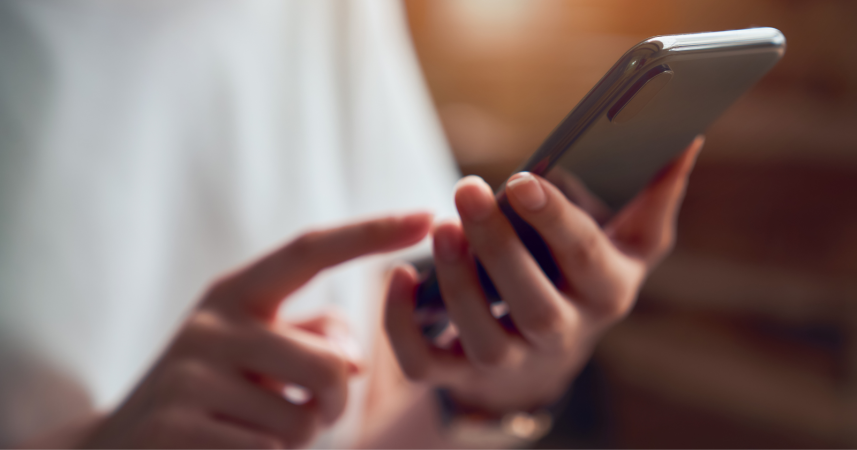
Manual unlockers aren’t anti-tech; they’re pro-agency, using that tiny pause at the lock screen to prove they run their phones—not the other way around
Technology is supposed to smooth out our lives.
But sometimes the smoother path makes us a little sloppy.
I’ve noticed—both in myself and the people I coach—that the folks who unlock their phones manually tend to share a handful of habits that carry into bigger life choices. It’s not about being anti-tech. It’s about choosing how you relate to it. Here are ten traits I see again and again.
1. Agency over automation
Manual unlockers like to be in charge.
They don’t outsource the first move of their day to a sensor. They want a clear cause-and-effect: I act, the thing responds. That tiny moment becomes a micro-lesson in ownership. It shows up everywhere else too—writing their own grocery list instead of letting an app guess, setting their calendar rules instead of accepting defaults, opting out of smart recommendations when they already know what they want.
Ask yourself: where in your life have you handed the wheel to automation, and is it actually helping? Agency is a muscle. The more you use it, the stronger it gets.
2. Privacy by design
These people aren’t paranoid; they’re principled.
They prefer secrets they can change—like passcodes—over identifiers they can’t—like faces. It’s not about hiding; it’s about boundaries. They understand that convenience often asks for collateral access. So they set layers: a code on the device, a lock on sensitive apps, two-factor on important accounts. They read permission prompts. They know what metadata means.
This isn’t fear-based living. It’s intentional exposure.
Stepping back and designing for privacy keeps your future self safer than your present impulse does.
3. Latency obsession (the good kind)
Counterintuitive but true: manual doesn’t always mean slower.
If you’ve typed the same six numbers ten thousand times, your thumbs move like they’re playing a song you learned in middle school.
There’s no tilt, no angle, no waiting for a sensor in weird light. Just in. Athletes obsess over split seconds; so do the best knowledge workers. Manual unlockers notice micro-delays and shave them down. They’re allergic to a spinning wheel, to a slow checkout flow, to inefficiency hiding behind a glossy interface.
When you start measuring your friction honestly, you make better choices. What feels modern isn’t always faster. Predictable beats flashy.
4. Ritual mindset
Some friction is a feature.
Typing a code is a tiny ritual that says, I’m entering a different space now. I use it the way I use coffee: a deliberate signal that I’m shifting gears.
When I’m out shooting photos, I prefer the pause. It trims the impulse checks. It reminds me, briefly, that attention is the real currency.
A small ritual protects the scarce thing.
If you struggle with compulsive scrolling, add one intentional step before you open your apps. That micro-pause teaches you to choose instead of drift.
5. Edge-case ready
Manual unlockers often live in the edge cases.
Masks on a crowded subway in Tokyo. Sunglasses on a blinding trail in California. Motorcycle helmet, ski balaclava, winter gloves, low-battery mode at 2%. They frequently operate in conditions where sensors struggle, but their habits don’t break because the environment changed.
That adaptability leaks into other decisions. They pack a plan B. They learn how to do things the unglamorous way so they aren’t stranded when the glamorous way glitches.
Resilience is rarely fancy. It’s knowing the simple method still works when everything else doesn’t.
6. Signal minimalism
If you’ve ever found yourself tilting your head at your phone like it’s a bathroom mirror, you know how silly some tech can make us look.
Manual people are allergic to that performative dance. They like their competence to be quiet. No eyebrow gymnastics to unlock, no look-at-me posture.
The same preference shows up in style choices: neutral cases, clean home screens, fewer widgets screaming for attention, notifications trimmed to what actually matters. It’s not an aesthetic flex; it’s a cognitive one.
Clutter is loud. Signal is quiet. When you reduce the former, the latter gets easier to hear.
7. Redundancy habit
If you looked in their bag, you’d probably find a spare charger, a folded twenty, and maybe an extra transit card tucked behind a phone case.
Manual unlockers think in backups. They don’t rely on one brittle pathway—whether that’s a single payment method or a biometric that needs a working camera. This isn’t anxiety; it’s systems thinking. If a step can fail, what’s the second way through?
I learned this the hard way after a long travel day when my camera module decided to go fuzzy, and my biometric checks slowed to a crawl. The passcode didn’t care. Redundancy saved the day, and it usually does.
8. Aesthetic pragmatism
They like beautiful tools that survive real life.
They’ll put a screen protector on a phone they love, use a case that wears in nicely, and choose wallpapers with high contrast because legibility beats cleverness at 7 a.m. after a late night.
They’ll trade a fancy animation for a faster swipe. They pick the pan that browns
If your setup makes the right thing smoother—even if it’s less flashy—you’ll do it more.
9. Long-horizon thinking
Manual unlockers tend to keep devices longer.
Features come and go, sensors age, and software ships in waves, but numbers stay numbers. This long view shows up beyond tech: shoes you can resole, jackets that patina, routines that still work when the schedule is chaos.
They optimize for durability, not novelty. It’s less romantic than early adopter, but it’s how you build a life that compounds.
I’ve mentioned this before but defaults have gravity. If your default works for years instead of months, you spend less time fiddling and more time living.
10. Intentionality under pressure
The biggest pattern is simple: manual unlockers insert choice back into a world obsessed with removing it.
That little decision at the lock screen creates a beat where you can ask, Do I actually want to open this right now? Many of us underestimate the power of tiny questions. We think growth lives in grand rebrands and 30-day challenges. Most of the growth I’ve seen—in writing, in eating more plants, in relationships—happens in micro-moments where you pause and pick the better path.
When you stack small acts of intention, you become the kind of person who can steer in bigger moments too.
So what do you do with all this?
First, don’t turn it into a moral judgment. Using a face scanner doesn’t make you careless. Typing a code doesn’t make you noble. The tool isn’t the point; the pattern is. Notice which choices help you show up the way you want to show up.
Second, experiment. If you feel scattered, add a tiny intentional step to your unlock flow for a week and see how it changes your behavior. If your privacy boundaries feel mushy, add a second lock to one sensitive app and watch how your sense of control shifts. If you’re constantly annoyed at delays, time how long your current flow actually takes and fix the slowest part instead of the prettiest part.
Third, design your environment for the person you’re becoming. Trim notifications. Put your most important app on the front page and tuck the junk inside a folder named Later. Keep a charger where you actually need one. Pick a case you like holding, so you don’t hate the tool that serves you.
And when in doubt, remember the core lesson hiding inside this tiny habit: your attention is finite. Protecting it is worth a little extra effort. You don’t need to be perfect. You just need to keep making small choices that keep you in the driver’s seat.
The bottom line is simple. People who choose to unlock manually often carry that same preference into everything else: more ownership, clearer boundaries, fewer theatrics, and a bias for systems that still work when the lights are weird.
That’s not anti-technology.
That’s pro-you.
If You Were a Healing Herb, Which Would You Be?
Each herb holds a unique kind of magic — soothing, awakening, grounding, or clarifying.
This 9-question quiz reveals the healing plant that mirrors your energy right now and what it says about your natural rhythm.
✨ Instant results. Deeply insightful.