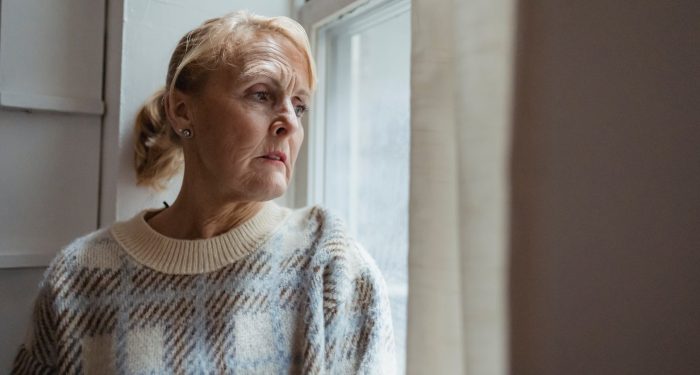
Aging well isn't about fighting time - it's about moving your body, feeding your brain, staying connected, and doing things that make you feel alive instead of just keeping you alive

Add VegOut to your Google News feed. 
My grandmother is 87 and volunteers at the food bank every Saturday. She raised four kids on a teacher's salary, and now she's doing her part to give back. Last weekend, I asked her what keeps her going. Without missing a beat, she said, "If I sit still too long, I start thinking about dying. So I don't sit still."
That's probably the most honest thing I've heard about aging well.
The truth is, aging isn't about avoiding time. It's about what you do with the time you have. Research from the Canadian Longitudinal Study on Aging found that older adults who followed specific healthy lifestyle factors could regain optimal well-being within just three years, even after difficult periods. But it's not just about adding years to your life. It's about adding life to your years.
Here are ten activities that separate people who are aging well from those who are just getting older.
1) You move your body consistently
Notice I didn't say "exercise religiously" or "hit the gym every day." I said move.
Recent research shows that consistently active people in adulthood have approximately a 30 to 40 percent lower risk of dying from any cause compared with those who remained consistently inactive. That's not a small difference. That's massive.
My partner and I started hiking Runyon Canyon on Sunday mornings about a year ago. Some weeks we're energized and practically running up the trail. Other weeks we're shuffling along, stopping every ten minutes to catch our breath. But we're moving.
The point isn't perfection. The point is consistency. Whether it's walking around the block, doing yoga on your balcony, or dancing in your kitchen while making breakfast, your body needs to move. Not for aesthetics. For survival.
2) You stay socially connected
I've mentioned this before, but loneliness is lethal.
The research is clear: successful aging includes connection with other people and involvement in productive activities. But here's what the research doesn't capture. It's not just about having people around. It's about having people who matter to you around.
My friend Marcus and I meet for coffee every Tuesday morning at the same spot in Venice Beach. We've been doing this for three years. Sometimes we talk about deep stuff. Other times we just complain about traffic and laugh at bad movies. But we show up.
Social connection isn't an add-on to aging well. It's fundamental.
3) You challenge your brain regularly
Your brain is a muscle, and like any muscle, it atrophies when you stop using it.
Regular physical activity plays a significant role in reducing the risk of cognitive decline and dementia among older adults, as it supports brain health and enhances cognitive resilience. But physical activity isn't the only way to keep your brain sharp.
Learn something new. Read books that challenge your worldview. Do puzzles. Have conversations that require you to think, not just respond.
Every morning, I spend about 15 minutes reading behavioral science research over my oat milk latte. Some mornings I understand maybe 60 percent of what I'm reading. That's the point. If I understood everything immediately, I wouldn't be learning anything.
4) You maintain a sense of purpose
What gets you out of bed in the morning?
If your answer is "my alarm clock," you might want to dig deeper.
Purpose doesn't have to be grandiose. You don't need to cure cancer or solve world hunger. My grandmother's purpose is making sure nobody in her community goes hungry. My purpose is writing articles that help people understand themselves better. Your purpose might be tending your garden or teaching your grandkids to cook.
Purpose is what separates existing from living. And people who age well have found something that makes them feel needed.
5) You adapt when things change
Here's an uncomfortable truth: your body will change. Your circumstances will change. Your abilities will change.
The people who age well aren't the ones who fight this reality. They're the ones who adapt to it.
Research has shown that people with positive perceptions of aging live longer and are in better shape. But having a positive perception doesn't mean denying reality. It means accepting what is and finding creative ways to work with it.
A few years ago, my hearing started getting worse at crowded restaurants. I could pretend it wasn't happening and nod along to conversations I couldn't follow. Or I could accept that I need to position myself strategically and sometimes ask people to repeat themselves. One approach preserves my ego. The other preserves my relationships.
6) You eat real food most of the time
I'm not going to preach about nutrition. You already know processed food isn't great for you.
But here's what I will say: the people who age well tend to eat food that looks like food. Vegetables. Fruits. Whole grains. Legumes. Things that grew in soil or on trees.
When I went vegan eight years ago, one of the biggest changes wasn't just what I eliminated. It was what I started eating more of. I cook elaborate meals now. Thai curries. Lentil bolognese. Buddha bowls loaded with vegetables and cashew cheese. Real food that takes time to prepare and actually nourishes your body.
You don't need to go vegan. But you do need to pay attention to what you're putting in your body.
7) You manage stress instead of letting it manage you
Stress is inevitable. How you respond to it is optional.
The older adults who thrive aren't the ones with stress-free lives. They're the ones who have developed strategies for managing stress when it shows up.
For me, that's cooking and photography. When I'm overwhelmed, I grab my camera and walk around Venice Beach for an hour. Or I spend Sunday afternoon experimenting with new recipes in the kitchen. These aren't just hobbies. They're coping mechanisms.
What's yours? Because if you don't have one, you need to find one.
8) You prioritize sleep
Recent research shows that older adults who slept well increased their chances of regaining optimal well-being during a three-year period.
Sleep isn't a luxury. It's when your body repairs itself. It's when your brain processes information and consolidates memories. It's when your immune system gets stronger.
I know it's tempting to stay up late binge-watching shows or scrolling through your phone. But your future self will pay the price.
Get serious about sleep. Make your bedroom dark. Establish a routine. Turn off screens an hour before bed. Boring advice, I know. But it works.
9) You maintain curiosity about the world
People who age well stay curious.
They ask questions. They read widely. They're interested in things beyond their immediate experience. They haven't decided they already know everything.
I'm constantly reading about topics I don't fully understand. K-pop choreography. Kombucha fermentation. Behavioral economics. Not because I need to be an expert in these areas. But because staying curious keeps my mind engaged and makes life more interesting.
What are you curious about? When was the last time you learned something just because it fascinated you?
10) You engage in meaningful leisure activities
Research shows that frequent participation in leisure activities may play a beneficial role in preventing premature death by improving resilience.
But here's the key: meaningful. Not just any activity. Activities that bring you joy and connection and a sense of accomplishment.
For some people, that's gardening. For others, it's painting or playing music or volunteering. For me, it's photography and cooking and writing. These activities aren't productive in the traditional sense. They don't make me money. But they make me feel alive.
You need something in your life that you do simply because you love doing it.
Conclusion
Aging well isn't about luck. It's about choices.
Not every day. Not even most days. But consistently enough that the choices become habits, and the habits become who you are.
My grandmother doesn't volunteer at the food bank because she read a study about purpose and longevity. She does it because it makes her feel useful and connected. But the result is the same. She's 87 and sharper than most people half her age.
The good news? It's never too late to start. Whether you're 60 or 70 or 80, the activities on this list can improve your quality of life starting today.
So what are you waiting for?