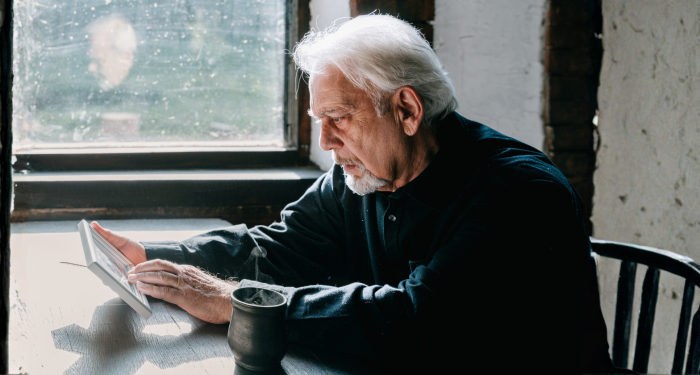
Seven surprisingly simple morning habits that can help you feel less scattered and more grounded, starting with keeping your phone on airplane mode and ending with 15 minutes of undistracted focus
Last year, I realized something unsettling.
I'd wake up in my Venice Beach apartment, immediately grab my phone, and within seconds I'd be scrolling through news feeds, checking emails, responding to messages.
By the time my feet hit the floor, I was already anxious, reactive, and completely disconnected from myself.
I felt like I was living someone else's life, reacting to everyone else's priorities before I'd even acknowledged my own existence that morning.
The weird part? I write about psychology and decision-making for a living. I know better. But knowing and doing are two different things.
It took a minor breakdown during a particularly chaotic week to admit I needed to change something. Not my job, not my relationship, not my location. Just how I started my day.
These seven morning habits pulled me back to myself. They're simple, they're not time-consuming, and they work even when everything else feels like it's falling apart.
1) I stopped reaching for my phone immediately
This one sounds obvious, but it's brutally hard.
For years, my phone was the first thing I touched each morning. Before I was fully conscious, I was consuming other people's thoughts, problems, and agendas. My nervous system was activated before I'd even registered being awake.
Now? My phone stays on airplane mode until after I've done at least two other morning habits. Sometimes that's 20 minutes, sometimes it's an hour.
Research shows that starting your morning by immediately consuming information can increase anxiety and pull your attention away from intentional habits, and honestly, I felt this in my body before I ever read the studies.
The first few days were uncomfortable. I felt phantom vibrations. My hand reached automatically. But after a week, something shifted. Mornings became mine again.
2) I drink water before anything else
I keep a large glass of water on my nightstand.
As soon as I wake up, before coffee, before checking the time, I drink the whole thing. It sounds too simple to matter, but drinking water first thing in the morning can rehydrate you and boost your metabolism.
More than the physical benefits though, it became a ritual. A deliberate first action that I choose, rather than react to. It's a way of saying: I'm here, I'm taking care of myself, this day starts with me.
My partner thought I was being dramatic about a glass of water. But after watching me be less irritable in the mornings, they started doing it too.
3) I sit with my breath for five minutes
I'm not a meditation guru. I don't have a special cushion or incense or an app subscription.
I just sit on the edge of my bed, close my eyes, and focus on breathing. In for four counts, hold for four, out for six. That's it. Five minutes.
Just a few minutes of quiet breath awareness in the morning can help you slow down, clear mental fog, and feel more grounded before jumping into your day.
Some mornings my mind races. I think about deadlines, conversations I need to have, what to make for dinner. I don't fight those thoughts. I just notice them and come back to the breath.
This practice doesn't make me calm all day. But it gives me a baseline. A place I can return to when things get chaotic.
4) I write three things down before I make plans
I keep a small notebook next to my bed, and before I think about my to-do list, I write three things.
One: something I'm grateful for.
Two: something I noticed yesterday.
Three: one intention for today.
That's it. No essays, no deep journaling sessions. Just three lines.
"Grateful for good sleep. Noticed the light on my balcony garden at sunset. Today I'll listen more than I talk."
I've mentioned this before but reading Rudá Iandê's book "Laughing in the Face of Chaos: A Politically Incorrect Shamanic Guide for Modern Life" shifted how I approached this practice.
He writes that "Your body is your wisest teacher. Physical sensations and emotions contain more intelligence than your thinking mind".
That idea helped me stop trying to think my way into gratitude and instead just notice what was actually there. Some days I'm grateful for oat milk. Other days it's that my nephew called me. The specificity doesn't matter. The practice of looking does.
5) I move my body, even if it's just stretching
I'm not getting up at 4:30 am to hit the gym. That's not my life.
But I do move. Sometimes it's yoga on my living room floor. Sometimes it's just standing and stretching my arms overhead while the coffee brews. Sometimes it's a walk around the block.
Light physical activity in your morning routine energizes both your body and mind while releasing endorphins, natural mood boosters.
The point isn't intensity. It's connection. Feeling my body, noticing where I'm tight or sore, reminding myself that I exist in physical space, not just in my head.
On days when I skip this, I notice. I'm more in my head, more anxious, less present. My shoulders creep up toward my ears by noon.
6) I eat something that actually nourishes me
For years, breakfast was whatever was fastest. A protein bar while answering emails. Cold pizza from two nights ago. Coffee as a meal replacement.
Now I make time to eat something real. Usually it's simple: oatmeal with fruit and almonds, avocado toast, a tofu scramble if I'm feeling ambitious.
Research suggests that diet and mental health are closely connected, and a healthy breakfast can promote a healthier gut while signaling the brain to produce neurotransmitters like serotonin and dopamine.
But more than the nutrition science, eating a real breakfast became another way of saying: you matter. Your body deserves fuel. This day deserves attention.
My partner still loves their sugary cereal, and that's fine. But they've noticed I'm less likely to crash mid-morning or get hangry before lunch.
7) I set a timer and do one thing without distraction
After all the other habits, I set a timer for 15 minutes and do one thing with complete focus.
Sometimes it's writing. Sometimes it's reading something meaningful, not just scrolling articles. Sometimes it's organizing my thoughts for the day.
No music, no podcast, no multitasking. Just one thing, for 15 minutes, with my full attention.
Building consistent small habits provides structure that grounds us in reliable patterns, helping us manage mental energy and reduce stress.
This practice taught me something crucial: I'm capable of focus. My attention isn't broken. I just needed to stop fragmenting it from the moment I woke up.
Fifteen minutes of deep focus in the morning often translates to better concentration all day. It's like I'm training my brain to remember what presence feels like.
The bottom line
These habits didn't fix everything. I still have hard days. I still feel anxious sometimes. My life hasn't transformed into some zen paradise.
But I feel connected to myself again. Like I'm living from the inside out, instead of reacting to everything coming at me from the outside in.
The habits took about two weeks to stick. Some mornings I still mess up and grab my phone first. When that happens, I don't beat myself up. I just start again the next day.
You don't need all seven habits. Start with one. Maybe it's the water, maybe it's the breathing, maybe it's just not touching your phone for the first 10 minutes you're awake.
The point isn't perfection. It's grounding. It's creating a morning that belongs to you, not to your inbox or the algorithm or everyone else's urgency.
Your mornings can become a place you want to be, instead of something you survive on your way to the rest of the day.
If You Were a Healing Herb, Which Would You Be?
Each herb holds a unique kind of magic — soothing, awakening, grounding, or clarifying.
This 9-question quiz reveals the healing plant that mirrors your energy right now and what it says about your natural rhythm.
✨ Instant results. Deeply insightful.

Jordan Cooper
Jordan Cooper is a pop-culture writer and vegan-snack reviewer with roots in music blogging. Known for approachable, insightful prose, Jordan connects modern trends—from K-pop choreography to kombucha fermentation—with thoughtful food commentary. In his downtime, he enjoys photography, experimenting with fermentation recipes, and discovering new indie music playlists.
More Articles by Jordan