While most people accept declining energy after 50 as inevitable, there's a growing tribe of vibrant seniors who wake at dawn, dance in their kitchens, and learn Italian at 75—and their daily rituals might surprise you.

Add VegOut to your Google News feed. 
Last week at the farmer's market, I watched a woman in her seventies haggle over heirloom tomatoes with the energy of someone half her age. Her eyes sparkled as she laughed with the vendor, her movements fluid and purposeful. Later, I saw her loading her bounty into a well-worn bicycle basket before pedaling away. It struck me how some people seem to move through their later decades with a vitality that defies conventional expectations about aging.
We've all met them—those individuals who appear to be aging in reverse, growing more vibrant and engaged with each passing year rather than less. After turning fifty myself and spending years observing friends, neighbors, and strangers who embody this phenomenon, I've noticed they share certain daily practices. These aren't expensive treatments or complicated regimens, but simple habits woven into the fabric of their everyday lives.
1. They honor the quiet morning hours
There's something almost sacred about the early morning, before the world fully awakens. I discovered this truth somewhat accidentally when I started waking at 5:30 AM naturally, without an alarm. Instead of immediately reaching for my phone or rushing into the day's obligations, I began spending that first precious hour in silence with my tea and journal.
This morning ritual has become my anchor. In those quiet moments, I'm not someone's mother, grandmother, or friend. I'm simply present with my thoughts, watching steam rise from my cup, letting my mind wander where it will. The people I know who seem youngest at heart all protect some version of this morning sanctuary. They understand that starting the day with intention rather than reaction sets a different tone for everything that follows.
Some mornings I write about dreams, others about worries that seem smaller on paper. Sometimes I simply sit and listen to the birds beginning their day. This practice of morning stillness seems to create a buffer against the chaos and demands that inevitably arise, keeping us centered rather than scattered.
2. They move their bodies with joy, not punishment
Remember when exercise felt like play? When movement was about discovery rather than obligation? The people who age gracefully seem to have retained or rediscovered this relationship with their bodies.
I came to yoga late in life, starting at 58 after years of thinking I was too stiff, too old, too something. But here's what I learned: movement at any age should feel like a conversation with your body, not a battle against it. My practice isn't about achieving perfect poses or competing with the thirty-year-old on the next mat. It's about showing up, breathing deeply, and celebrating what my body can do today.
The vital seniors I observe don't necessarily run marathons or lift heavy weights. They dance in their kitchens, swim in local pools, walk their dogs with genuine enthusiasm. They've found ways to move that bring them pleasure rather than dread. One friend told me she pretends she's conducting an orchestra while doing her morning stretches. Another practices tai chi in the park, moving with such grace that passersby often stop to watch.
3. They maintain purposeful daily rituals
Virginia Woolf wrote about the importance of "moments of being"—those instances when we're fully present and engaged with life. People who age well seem to cultivate these moments through deliberate daily rituals.
Every Sunday, I bake bread. This ritual began during a particularly hard winter when I needed something warm and life-affirming to anticipate each week. The process grounds me: measuring flour, kneading dough, watching it rise. There's a metaphor in there somewhere about patience and transformation, but mostly it's about the simple satisfaction of creating something nourishing with my own hands.
These rituals don't need to be elaborate. I know a man who makes the same cup of coffee every afternoon at 3 PM, savoring it while reading poetry. Another woman I know writes one thank-you note each day, maintaining connections while practicing gratitude. The key is consistency and presence. These rituals become touchstones, reminding us that we're active participants in our lives rather than passive observers.
4. They embrace the outdoors regardless of conditions
Have you noticed how children don't care about perfect weather? They'll play outside in drizzle, wind, or blazing sun with equal enthusiasm. Somewhere along the way, many of us lose this willingness to engage with the natural world on its own terms.
Every evening, I take a walk around my neighborhood. Rain or shine, tired or energized, I lace up my shoes and step outside. Sometimes these walks are meditative, other times I wave at neighbors or stop to admire someone's roses. But I always return home feeling more alive than when I left.
The outdoors offers what four walls cannot: unexpected encounters, changing light, the reminder that we're part of something larger. My garden has become another classroom where I learn patience and acceptance. Every morning before the heat sets in, I tend to my plants, and they teach me about cycles, resilience, and the beauty of imperfection. A drooping tomato plant can recover with proper care, much like we can bounce back from our own difficult seasons.
5. They cultivate genuine connections
Loneliness ages us faster than almost anything else. The people who seem to glow with vitality after fifty are those who've learned to nurture authentic relationships while releasing those that drain them.
This doesn't mean having hundreds of friends or packed social calendars. It means investing in connections that matter. I've watched seventy-year-olds start book clubs, join hiking groups, or simply commit to regular coffee dates with one or two close friends. They ask real questions and listen to the answers. They share their struggles without dwelling on them.
What strikes me most is their ability to form new friendships at any age. They don't buy into the myth that making friends gets harder as we age. Instead, they remain open, curious about others' stories, willing to be vulnerable. They understand that connection requires both reaching out and allowing others to reach back.
6. They remain students of life
When did you last learn something completely new? Not information you needed for work or family obligations, but something purely for the joy of learning? The people aging backwards seem to approach each day with the curiosity of perpetual students.
This might mean taking up watercolors at sixty-five, learning Italian at seventy, or finally reading all of Dickens at seventy-eight. But it also means staying curious about the everyday world. Why do birds migrate? How does sourdough starter work? What's the story behind that new restaurant downtown?
This learning mindset keeps the brain flexible and the spirit engaged. It's an antidote to the rigid thinking that can creep in with age. When we stop learning, we stop growing, and when we stop growing, we start declining. The choice, remarkably, is ours.
Final thoughts
The art of staying young after fifty isn't about denial or desperate attempts to reclaim lost youth. It's about presence, purpose, and the daily choice to engage fully with life. These six habits aren't magic formulas but invitations to live more intentionally.
Start small. Perhaps tomorrow morning, wake up ten minutes earlier and sit with your coffee in silence. Take an evening walk, even if it's just around the block. Bake something, plant something, learn something. The fountain of youth, it turns out, isn't a destination but a way of moving through each ordinary day with extraordinary attention.
If You Were a Healing Herb, Which Would You Be?
Each herb holds a unique kind of magic — soothing, awakening, grounding, or clarifying.
This 9-question quiz reveals the healing plant that mirrors your energy right now and what it says about your natural rhythm.
✨ Instant results. Deeply insightful.
Marlene Martin
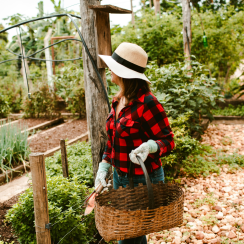
Marlene is a retired high school English teacher and longtime writer who draws on decades of lived experience to explore personal development, relationships, resilience, and finding purpose in life’s second act. When she’s not at her laptop, she’s usually in the garden at dawn, baking Sunday bread, taking watercolor classes, playing piano, or volunteering at a local women’s shelter teaching life skills.
More Articles by Marlene