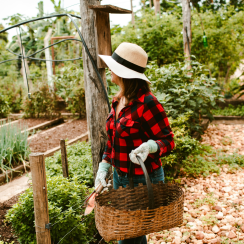
While some people grow bitter with each passing year, others develop an almost magnetic grace that makes them more vibrant at 70 than they were at 40—and the difference lies in surprisingly simple daily habits that anyone can adopt.
Last week at the grocery store, I watched two women, both around my age, react to the same situation. The cashier had accidentally double-charged them. The first woman's face turned rigid with frustration, her voice sharp as she demanded a manager, muttering about incompetence and wasted time. The second woman simply smiled, made a gentle joke about technology having Monday blues, and waited patiently while the young cashier fixed the error. Walking to my car afterward, I couldn't help but reflect on how differently we all navigate the inevitable irritations and larger challenges that come with getting older.
Some people seem to grow lighter with age, developing a kind of grace that makes them magnetic to be around. Others grow heavier, weighted down by accumulated disappointments and grievances. What separates these two groups? After decades of observing, learning, and yes, making my own share of mistakes along the way, I've noticed that those who age gracefully share certain habits. They're not complicated or mysterious practices, but they do require intention and consistency.
1. They practice selective forgetting
Have you ever noticed how some memories stick like burrs while others float away like dandelion seeds? People who age gracefully have mastered the art of choosing which memories deserve real estate in their minds. They don't pretend bad things never happened, but they refuse to set up permanent residence in past hurts.
I learned this lesson the hard way. When my first husband walked out, leaving me with two toddlers, I spent months replaying every argument, every warning sign I'd missed. The anger felt productive somehow, like I was doing something useful with all that pain. But eventually, I realized I was just marinating in bitterness. The day I decided to remember the good parts of those early years, the laughter and small victories of raising my children, was the day I started moving forward instead of walking in circles.
2. They remain curious about the world
People who get better with age treat life like an endless classroom. They read new books, try unfamiliar foods, ask questions about things they don't understand. This curiosity keeps their minds flexible and their conversations interesting. More importantly, it prevents them from becoming those people who start every sentence with "In my day..."
Last month, I asked my teenage neighbor to explain cryptocurrency to me. Did I understand everything? Absolutely not. But the conversation reminded me that the world keeps spinning forward, creating new mysteries to explore. Curiosity is like a vitamin for the spirit. Without it, we start to calcify, becoming monuments to our own opinions rather than living, growing human beings.
3. They maintain their sense of humor
Laughter really might be the best medicine, or at least the most pleasant one to take. People who age well can find humor in situations that might send others into a tailspin. They've learned that most embarrassments are temporary, most mistakes are fixable, and most serious situations have at least one absurd element worth chuckling about later.
This doesn't mean making light of genuine tragedy or pain. It means recognizing that perfectionism is exhausting and that taking yourself too seriously is a fast track to misery. When I accidentally wore two different shoes to a school board meeting last year, I had two choices: mortification or amusement. I chose to laugh about it, and you know what? Everyone else laughed with me, not at me. That's the secret about humor as we age: it connects us to others and reminds us we're all beautifully imperfect.
4. They cultivate meaningful relationships
Quality over quantity becomes more apparent with each passing year. People who age gracefully invest deeply in relationships that nourish them and gently release those that drain them. They understand that time is finite and choose to spend it with people who bring out their best selves.
This might mean having difficult conversations or setting boundaries that feel uncomfortable at first. But the result is a circle of friends and family who genuinely support and celebrate each other. These relationships become more precious with time, like wine that improves with proper aging. They're the people who will laugh at your stories for the third time, bring soup when you're sick, and tell you honestly when you have spinach in your teeth.
5. They adapt to change without losing themselves
Change is the only constant, as they say, and those who age gracefully have learned to surf the waves rather than fight the current. They adapt to new technologies, changing social norms, and evolving family dynamics without abandoning their core values or pretending to be someone they're not.
Think about all the changes we've witnessed: the internet revolution, shifting cultural values, new ways of working and connecting. People who thrive through these transitions maintain their authentic selves while remaining open to new possibilities. They might learn to video chat with grandchildren across the country while still preferring handwritten letters. They find balance between honoring who they've always been and embracing who they're still becoming.
6. They practice gratitude actively
Gratitude isn't just a feeling for those aging gracefully; it's a practice. They actively look for things to appreciate, from morning coffee to unexpected phone calls from old friends. This isn't toxic positivity or denial of life's difficulties. It's a conscious choice to notice the good that exists alongside the challenging.
I started keeping a simple gratitude practice after reading about it in one of my previous posts about finding purpose after loss. Each evening, I write down three things from the day worth appreciating. Some days it's easy: a grandchild's artwork, a perfect sunset, a good book. Other days, I'm grateful for smaller mercies: the heating still works, my back doesn't hurt today, the grocery store had my favorite tea. This practice shifts perspective from what's missing to what's present.
7. They keep learning and growing
People who improve with age never stop developing new skills or exploring interests. They take up painting at 70, learn Spanish at 65, start gardening at 75. This continuous growth keeps their brains active and their days purposeful. It also provides wonderful conversation starters and connections with people of all ages.
When I started writing at 66, after three decades of teaching, people asked why I'd want to begin something so challenging "at my age." But that's exactly why I did it. The challenge keeps me sharp, the learning keeps me humble, and the creative expression fills a need I didn't even know I had during my teaching years.
8. They give back to others
Perhaps the most beautiful habit of those who age gracefully is their commitment to contribution. They volunteer, mentor, share their wisdom and resources. This giving isn't about obligation or earning cosmic points. It's about recognizing that we're all connected and that helping others enriches our own lives immeasurably.
Giving back creates a sense of purpose that transcends personal concerns. It connects us to something larger than ourselves and reminds us that we have value to offer regardless of age. Whether it's teaching someone to read, sharing professional expertise, or simply listening to someone who needs to be heard, these acts of service keep us vital and engaged with the world around us.
Final thoughts
Aging gracefully isn't about pretending everything is wonderful or denying the real challenges that come with getting older. It's about choosing how we respond to those challenges. The habits I've described aren't magic formulas, and they won't prevent all difficulties or disappointments. But they do create a framework for living that emphasizes growth over stagnation, connection over isolation, and hope over resignation. Each day we wake up, we have the choice to get a little better or a little bitter. These habits simply tip the scales toward better, one small decision at a time.
What’s Your Plant-Powered Archetype?
Ever wonder what your everyday habits say about your deeper purpose—and how they ripple out to impact the planet?
This 90-second quiz reveals the plant-powered role you’re here to play, and the tiny shift that makes it even more powerful.
12 fun questions. Instant results. Surprisingly accurate.