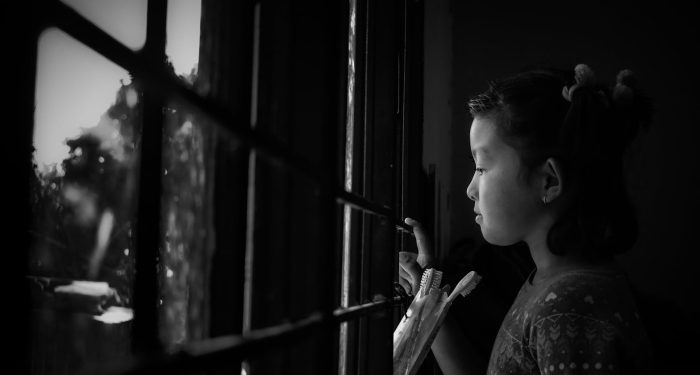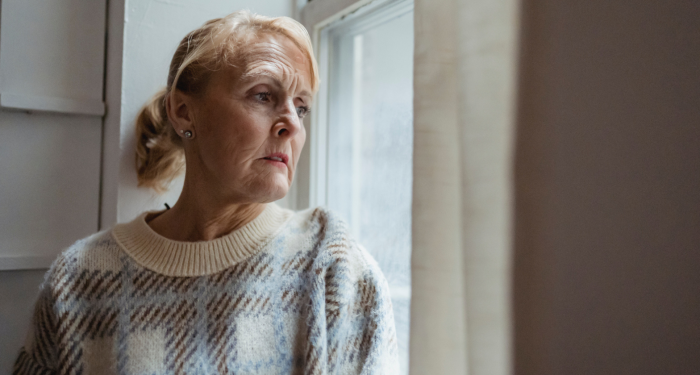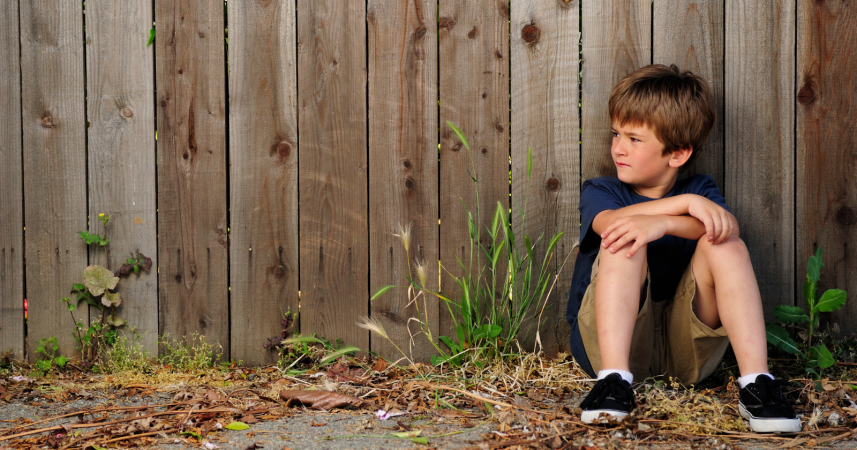
When childhood survival meant never stopping to breathe, your adult body still believes that relaxation is a form of abandonment—and that unexplained anxiety you feel during downtime isn't laziness, it's your nervous system's decades-old alarm system that nobody ever taught how to turn off.

Add VegOut to your Google News feed. 
Ever notice how some people can't sit still during a movie without checking their phone, tidying something, or mentally running through tomorrow's to-do list?
I used to think this was just about being Type A or highly productive. But there's something deeper happening here, something that traces back to childhood experiences that fundamentally rewired how certain nervous systems respond to the world.
If you grew up having to be the responsible one - whether that meant watching younger siblings, managing household tasks while parents worked multiple jobs, or emotionally supporting adults who should have been supporting you - your body learned a devastating equation: stillness equals danger.
The body keeps the score, even decades later
When I first read about parentification in my behavioral science deep dives, it hit me like a freight train. All those friends who couldn't take a sick day without feeling crushing guilt. The colleague who answered emails during her own wedding reception. My roommate in college who would literally shake when trying to relax.
They weren't just workaholics. They were people whose nervous systems had been programmed in childhood to believe that letting their guard down meant catastrophe.
Somatic Therapy Ireland explains it perfectly: "When you were a child in a family system that needed you to be responsible, your nervous system learned: Vigilance = Safety – Monitoring everyone's emotional states kept you (and them) safe Responsibility = Love – Being needed meant being valued and connected Rest = Danger – Letting your guard down meant something might fall apart Your Needs = Burden – Taking care of yourself meant taking resources from the system These weren't conscious choices. They were adaptive responses your young nervous system developed to survive an impossible situation."
Think about that for a second. While other kids were learning that home meant safety and adults meant protection, these children's bodies were learning the opposite. Their nervous systems were constantly scanning for problems to solve, people to care for, disasters to prevent.
Why Sunday afternoons feel like impending doom
You know that feeling when you finally have a free afternoon and instead of enjoying it, you're overwhelmed with inexplicable anxiety? For people who were parentified as children, this isn't random.
Their bodies learned early that downtime meant someone wasn't being watched. That relaxation meant needs were going unmet. That their worth was directly tied to their usefulness.
I've watched this play out countless times. A friend who grew up caring for her younger siblings while her single parent worked can't watch TV without folding laundry. Another who was his mother's emotional support after his parents' divorce schedules every minute of his vacation because unstructured time makes him feel like he's drowning.
The nervous system doesn't forget these early lessons. It holds onto them with a vice grip, convinced that hypervigilance is the only thing standing between order and chaos.
The invisible checklist that never ends
Here's what makes this particularly cruel: the responsibilities these children carried were often invisible to everyone else. They weren't getting gold stars for keeping their younger siblings fed or managing their parent's emotional meltdowns. They were just expected to handle it.
Fast forward twenty or thirty years, and that invisible checklist is still running in the background. Except now it includes their job, their relationships, their aging parents, their friends' problems, global warming, and whether they remembered to rotate their houseplant this week.
Music City Health Center notes that "When a child's nervous system becomes overwhelmed or imbalanced, they may stay stuck in 'survival mode' far too long."
Except "far too long" for many parentified children means... forever. Their default setting became survival mode, and nobody ever taught them how to switch it off.
The rebellion that feels like betrayal
Want to know something particularly heartbreaking? When these folks try to establish boundaries or practice self-care, their bodies often respond as if they're in actual danger.
Heart racing. Sweating. That sick feeling in the stomach that screams "something terrible is about to happen because you're being selfish."
Taking a bath feels like abandoning ship. Saying no to an extra project feels like letting the whole team die in the wilderness. Spending money on themselves feels like stealing food from someone else's mouth.
These aren't logical thoughts - they're body memories from a time when their survival actually did depend on putting themselves last.
Breaking the cycle without breaking down
So how do you rewire a nervous system that's been on high alert for decades? How do you learn that rest isn't dangerous when every cell in your body says otherwise?
It starts with recognition. Understanding that your inability to relax isn't a character flaw or a productivity superpower - it's a trauma response. Your body is still protecting you from a danger that no longer exists.
Small steps matter here. You can't go from hypervigilance to meditation retreat overnight. Your nervous system would stage a full revolt.
Instead, it might look like sitting still for two minutes without your phone. Leaving one dish in the sink overnight. Saying "Let me think about it" instead of immediately saying yes. These might seem insignificant, but to a dysregulated nervous system, they're revolutionary acts.
Psychology Today points out that "Parentified children often struggle with boundaries in personal relationships, overextending themselves to help others, leading to burnout and neglecting their own needs."
The key word there is "often" - not "always." Change is possible, even if your nervous system fights you every step of the way.
Wrapping up
If you recognize yourself in these words, know this: your hypervigilance served a purpose once. It kept you and others safe in an impossible situation. You adapted brilliantly to circumstances no child should face.
But you're not in that situation anymore. The younger siblings are grown. The household won't collapse if you rest. Your worth isn't measured by your usefulness.
Your nervous system just hasn't gotten the memo yet.
Healing this kind of deep programming takes time, patience, and usually professional support. It means learning to tolerate the discomfort of rest, the anxiety of letting others handle their own problems, the terror of discovering who you are when you're not saving someone.
It's not easy work. But imagine - just imagine - what it would feel like to watch an entire movie without mentally solving twelve problems. To take a sick day without guilt. To rest without feeling like you're abandoning an invisible responsibility.
That possibility exists. Even if your body doesn't believe it yet.