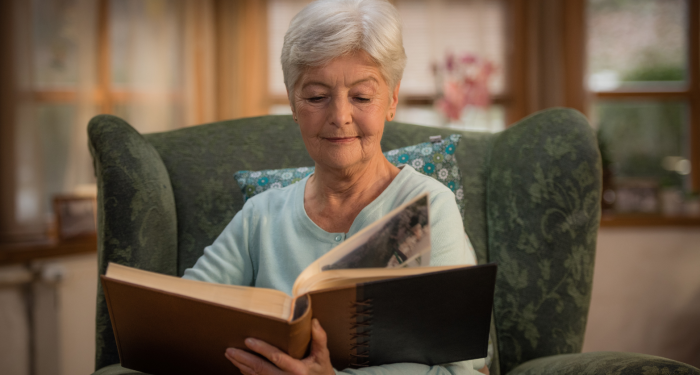
Standing at 70 with all the time in the world, I've discovered the cruelest irony of retirement: becoming a supporting character in the lives of everyone you once held at the center of yours.

Add VegOut to your Google News feed. 
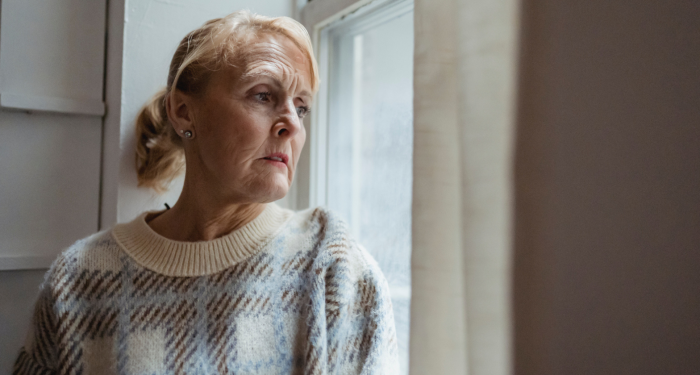
Last Tuesday, I sat in my living room at 2:47 in the afternoon, watching dust particles dance in a shaft of sunlight while my phone remained silent beside me. The house creaked in that particular way empty houses do, and I realized I'd been holding my breath, waiting for it to ring. My son had promised to call "sometime this week" about planning a visit. My daughter texted three days ago that she'd "catch up soon." The group chat with my grandchildren showed their last messages from two weeks back - quick reactions to a photo I'd shared of their grandfather's roses finally blooming.
This is the part of retirement nobody warns you about. Not the financial planning, not the downsizing, not even the loss of routine. It's the peculiar loneliness of being fully available in a world where nobody else is.
The invisible shift from needed to optional
When you're working and raising children, you exist at the center of necessary things. People need you to show up, to make decisions, to be present. Your calendar fills itself. After 32 years of teaching high school English, I never had to wonder what Tuesday afternoon would hold - there were essays to grade, parent emails to answer, lessons to plan. My children needed rides, advice, someone to witness their small victories and defeats.
Now I watch my children orchestrate complicated schedules that involve work meetings, school pickups, soccer practices, and dinner plans that get made and unmade three times before landing on takeout again. When I offer to help with the grandchildren, I hear, "Oh Mom, that's sweet, but we've got it covered." They do have it covered. They've built these beautiful, intricate lives that hum along perfectly well without me.
Do you know what it feels like to go from being the person who holds all the pieces together to being a piece that doesn't quite fit anywhere? It's like being the teacher who retired mid-semester and returning to visit, only to find the classroom rearranged and nobody remembering where you used to keep the extra pencils.
Making soup for one while everyone else orders takeout
Every Monday, I make soup from whatever needs using up from the week before. This week it was butternut squash and carrots that had gone slightly soft, half an onion wrapped in plastic, some wilting celery. The ritual grounds me, gives Monday a purpose beyond being another day that stretches ahead unmarked.
I used to make soup for a full table. Now I portion it into containers that stack neatly in my freezer, a monument to optimism that someone might stop by hungry. My daughter mentions she's trying a new meal delivery service that sends pre-portioned ingredients. My son's family has Soccer Saturdays followed by their traditional pizza night. The rhythm of their weeks doesn't include space for homemade soup anymore.
Virginia Woolf once wrote, "One cannot think well, love well, sleep well, if one has not dined well." But she didn't write about dining alone while everyone you love dines elsewhere, in kitchens you helped them learn to navigate but where you're now a guest who needs to ask where they keep the glasses.
The technology gap that becomes a canyon
They share their lives through screens now, in ways that feel just beyond my reach. There's a family group chat where photos appear and disappear, where conversations flow in bursts I can't quite follow. By the time I've typed my response about how beautiful my granddaughter looks in her prom dress, the conversation has moved on to something about a TikTok I don't understand.
I learned to text, to video call, to "react" with little hearts and thumbs up. But it's like speaking a language where you know the words but not the rhythm. My grandchildren are patient when I call instead of text, but I hear the slight pause before they answer, the adjustment they need to make to enter my slower world.
When did phone calls become an intrusion rather than a connection? When did "checking in" become something we do with emoji reactions instead of voices?
Watching from the birthday party sidelines
At my grandson's 16th birthday last month, I found myself sitting in a chair against the wall while life swirled around me. Parents discussed work and weekend plans. Teenagers clustered in corners, their laughter creating a force field I couldn't penetrate. My son was manning the grill, my daughter-in-law directing traffic between kitchen and patio.
Have you ever been surrounded by everyone you love and felt utterly alone? It's not that they ignore you - they smile, bring you cake, ask if you need anything. But you're not in the mix anymore. You're honored, respected, loved, but somehow separate. Like a painting everyone admires but nobody really looks at.
I mentioned to another grandmother there that I'd been reading a wonderful collection of poetry, and she nodded politely before excusing herself to help with something urgent in the kitchen. The urgency of the immediate always trumps the reflection of the leisured.
The kindness that kills
"Don't trouble yourself, Mom."
"You just relax, we've got this."
"No need to bring anything, just bring yourself."
The kindness is genuine, the intent loving. They want to spare me effort, to let me rest after all my years of doing. But what they don't understand is that the doing was never the burden - it was the belonging. When you tell me not to bring my famous potato salad because "it's too much trouble," you're not giving me rest. You're removing my contribution, my place in the fabric of the gathering.
In a previous post, I wrote about finding purpose after retirement. But purpose isn't just about what you do with your days - it's about mattering in the lives of people you love. It's about being needed, not just loved. There's a profound difference, and retirement makes that gap visible in ways that can take your breath away.
Final thoughts
If you're reading this in your 40s or 50s, still in the thick of it all, remember this: that parent who calls at inconvenient times, who offers help you don't need, who seems to have too much time on their hands - they're not trying to burden you. They're trying to matter. They're standing at the edge of your beautiful, busy life, holding their love like a gift they're not sure how to give anymore.
And if you're reading this from where I sit, in the afternoon quiet of a life that's supposed to be golden but sometimes just feels beige, know that you're not alone in feeling alone. The edge we stand on is real, but perhaps we can wave to each other across the distance, finding connection in our shared experience of watching from afar. Sometimes that's enough to make the silence feel less like emptiness and more like a different kind of presence.