After two years of filling every hour with volunteer shifts and committee meetings following my husband's death, I discovered that exhaustion is a poor substitute for genuine human connection—and that my perfectly scheduled life was actually a prison I'd built to avoid the terrifying vulnerability of truly needing someone.
The worst advice anyone ever gave me was to "stay busy" after my husband died. Not because it was cruel — it came from a place of love, every time — but because it was wrong. Busyness and belonging are not the same thing, and I wasted about six years confusing them before I understood the difference. Staying active doesn't cure isolation any more than turning up the radio cures a rattling engine. It just makes it harder to hear the problem.
I know this because last Thursday, I sat in my car outside the grocery store for twenty minutes, watching people come and go, trying to work up the courage to go inside. Not because I feared crowds, but because I knew that once I walked through those automatic doors, I'd smile at the cashier, chat about the weather, maybe help someone reach a high shelf, and for those fifteen minutes of interaction, I could pretend that this counted as human connection. That this was enough. It took me two years after my husband died to admit that I'd been lying to myself about what loneliness really meant and how to fix it.
The perfect illusion of a full life
When my husband passed, everyone told me the key was to stay active. "Keep yourself busy," they said, as if grief were a stray dog that would wander off if I just ignored it long enough. So I built myself a fortress of commitments. The volunteer coordinator at the women's shelter started calling me their most reliable volunteer. The library board could set their watches by my attendance. My little free library got restocked twice weekly without fail.
My days became a carefully choreographed dance of usefulness. Monday's shelter shift, Wednesday's church committee, Thursday's senior center watercolor class, Friday's literacy tutoring. I wore exhaustion like a badge of honor, proof that I was coping, thriving even. Friends marveled at my energy. "I don't know how you do it all," they'd say, and I'd smile, not telling them that stopping meant confronting the silence that waited for me at home.
The truth is, I'd been practicing this sleight of hand long before my husband died. During my thirty-two years teaching high school English, staying busy meant grading papers instead of processing my first divorce, coaching debate team instead of admitting I couldn't afford my son's college graduation trip. Back then, the exhaustion had purpose. Two children needed feeding, bills required paying. The difference was that busy used to be about survival. After my husband, it became about avoidance.
When the armor starts to crack
Do you know what it feels like to speak to dozens of people in a week but not have a single real conversation? To know everyone's volunteer schedule but not whether anyone else wakes at 3 AM wondering if this is all there is?
The revelation came during one of those overscheduled weeks I'd manufactured. Between activities, catching my breath in my car, I realized I could recite three different meeting agendas but hadn't told anyone about the dream where my husband was still alive and we were dancing in our kitchen. I knew the names of every regular at the shelter but had never admitted to anyone that I sometimes forgot to eat dinner because cooking for one felt like admitting defeat.
Virginia Woolf once wrote, "The eyes of others our prisons; their thoughts our cages." But what happens when you become your own jailer? When you build such elaborate defenses against vulnerability that you lock yourself away from the very connections that could save you?
I'd become professionally busy but personally vacant. The reliable volunteer everyone could count on but no one really knew. My calendar was full, but my life felt empty in the ways that mattered. I had confused motion with meaning, contribution with connection, being needed with belonging.
Learning vulnerability at seventy
The hardest part was admitting that after seven decades of living, I still didn't know how to be vulnerable. Teaching had made me the expert with answers. Single motherhood required me to be the rock. Even during my husband's final years as Parkinson's slowly stole him from me, I was the caregiver, the strong one. I'd spent so long being needed that I'd forgotten how to need.
Starting small felt like learning to walk again. Instead of rushing off after tutoring, I stayed for coffee and admitted to another volunteer that the silence at home was crushing me. During morning coffee with my neighbor, I confessed that I still reached for my husband's side of the bed. At the widow's support group I'd been attending but never really participating in, I finally shared the anger, not just grief, but rage that after everything I'd survived, I had to learn to be alone again.
The shift was almost imperceptible at first. The woman from tutoring started texting on weekends, just checking in. My neighbor began bringing her newspaper to share, extending our coffee into something deeper. The widow's group transformed from structured sharing into five women who truly saw each other's pain and refused to let anyone drown alone.
The difference between busy and belonging
Last month, when both my knees decided to revolt simultaneously, the old me would have powered through, hidden the pain behind extra ibuprofen and sheer will. Instead, I mentioned it during coffee. Within two days, I had meals appearing on my doorstep, rides to physical therapy, my garden tended by someone who wanted to learn about English cottage garden design.
But more than practical help, I had people checking in because they'd noticed my absence and it mattered. Marion sat with me during a particularly bad pain day, and we talked about our bodies betraying us, about vanity and aging, about missing her husband's gentle hands when her own arthritis flared. It was the conversation that can only happen when two people have moved beyond the performance of being fine.
This is what I'd missed during those two years of frantic activity: belonging isn't about being useful. It's about being known. It's not about having a role to play but about having people who see you when you can't play any role at all.
The courage to need others
Have you ever considered that independence, that trait we prize so highly, might sometimes be our biggest obstacle? I'd worn mine like armor since my first husband left me with two toddlers, believing that needing no one was strength. But at seventy, I'm learning that needing others might be the highest form of courage, the strength to be vulnerable, to risk rejection in pursuit of real connection.
My calendar is actually less full now than it was two years ago. I've released commitments that were more about avoiding silence than creating connection. Yet my life feels fuller because the activities that remain have roots, have depth, have people attached who know my story and trust me with theirs.
The volunteer work continues, but now I know that Sarah, working beside me at the shelter, is wrestling with her mother's dementia diagnosis. We grab lunch after our shift and talk about anticipatory grief, about the cruel lottery of aging. The library board meetings continue, but I've connected with two other members who share my passion for senior programming. We meet monthly just to dream and laugh about our technological struggles.
Final thoughts
Yesterday, someone left a note in my little free library saying they see me gardening each morning and wondering if I'd like company. I wrote back: "Yes. Come by at 8. Bring coffee, I'll share stories."
I meant it. But I also noticed my hand hesitate over the pen, the old instinct whispering that needing company is weakness, that I should be fine on my own by now. Those two years I spent confusing busyness with belonging taught me that human connection can't be scheduled or organized or volunteered into existence. It has to be cultivated through the terrifying, beautiful act of letting yourself be seen.
I know that now. Whether I can keep doing it — keep choosing vulnerability over armor, keep reaching out on the mornings when the silence feels easier to swallow than the risk — is a question I haven't fully answered. Some days I manage it. Some days the automatic doors at the grocery store are still the closest I get. I'm told that's enough, that progress doesn't have to be linear. I'm not sure I believe it yet, but I keep showing up, which might be its own incomplete kind of answer.
If You Were a Healing Herb, Which Would You Be?
Each herb holds a unique kind of magic — soothing, awakening, grounding, or clarifying.
This 9-question quiz reveals the healing plant that mirrors your energy right now and what it says about your natural rhythm.
✨ Instant results. Deeply insightful.
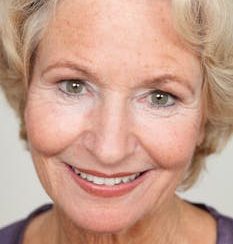
Marlene Martin
Marlene Martin is a retired high school English teacher who spent 38 years in the classroom before discovering plant-based eating in her late sixties. When her daughter first introduced her to the idea of removing animal products from her diet, Marlene was skeptical. But curiosity won out over habit, and what started as a reluctant experiment became a genuine transformation in how she thinks about food, health, and aging.
At VegOut, Marlene writes about nutrition, wellness, and the experience of embracing new ways of eating later in life. She brings a teacher’s instinct for clarity and patience to topics that can feel overwhelming, especially for readers who are just beginning to explore plant-based living. Her writing is informed by personal experience, careful research, and a belief that it is never too late to change.
Marlene lives in Portland, Oregon, where she spends her mornings reading research papers, her afternoons tending a modest vegetable garden, and her evenings knitting while listening to audiobooks. She has three adult children and two grandchildren who keep her honest about staying current.
More Articles by Marlene