After watching three friends become widows in two years, she discovered that proximity to loss doesn't make you more grateful for your partner—it makes you an obsessive archivist of their mundane habits, from the way they butter toast to which side of the bed they choose in hotels.
Margaret's husband died mid-sentence. That's the detail I keep returning to — not the funeral, not the flowers, but the fact that his coffee mug was still half-full on the kitchen table when the paramedics arrived. Margaret told us later she couldn't bring herself to wash it for three days. Then Patricia lost Richard to lung cancer last fall. Then Carol's husband collapsed while mowing their lawn on a Saturday afternoon, so sudden she thought he was joking. Three friends, three husbands, twenty-four months.
Something shifted in me after that, and I'm still trying to understand what it was. Not gratitude exactly. Something more precise and harder to name. I came home from Margaret's memorial service and stood in my kitchen listening to the particular rhythm of snoring drifting down our hallway — the way it caught slightly on the inhale, then released in a soft whistle. I stood there memorizing it like a poem I might need to recite from memory someday.
The difference between gratitude and attention
People assume that witnessing loss makes you more grateful, as if grief is some kind of teaching tool that makes you appreciate what you have. But that's not quite right. Gratitude feels too broad, too general, like those motivational posters that tell you to "Live, Laugh, Love." What actually happens is far more specific and strange.
After Margaret buried her husband, I came home and spent twenty minutes watching my second husband butter his toast. The precise way he angled the knife, how he always started from the left corner, the unconscious frown of concentration. Before, I might have noticed him eating breakfast. Now I see the choreography of it, each gesture suddenly significant.
Have you ever tried to memorize someone while they're still here? It's an odd practice, this cataloging of the living. You find yourself becoming an archivist of ordinary moments — the exact pitch of his voice when he called from another room, the specific way he folded the newspaper, sports section first, always, then straight to the crossword, which he attempted in pencil despite claiming he didn't care about puzzles. The way he held his coffee cup with both hands in winter but one hand in summer. The sound of him unlocking the front door, which was different from every other sound in the house and which I could identify from any room, even half-asleep. The particular sigh he made when he sat down in his chair after dinner, as if the act of sitting were an accomplishment worth marking. All of it ordinary. All of it, I now understood, irreplaceable.
What the Tuesday Ladies know
Every Tuesday, I meet with a group of widows for coffee. We call ourselves the Tuesday Ladies, though we're anything but ladylike when we really get going. Between us, we've lost six husbands over the past decade. We've become experts in the geography of loss, the brutal landscape of sleeping alone, the strange echo of a house that's suddenly too quiet.
Last week, Patricia told us about her husband Richard's habit of reading the Sunday comics aloud, doing different voices for each character. Eighteen months since lung cancer took him, and she still can't read the funny pages. Carol mentioned that she hasn't moved her husband's riding mower, can't bear to sell it even though she pays someone to cut the grass now.
These aren't sentimental women. They're specific women, holding onto particular pieces of particular men.
The Tuesday Ladies have taught me something crucial: we don't become more grateful for what we have. We become witnesses to what we had. There's a difference. Gratitude suggests a kind of guilty relief - thank God it's not me, not yet. But witnessing is about paying attention to the actual person in your actual life, not some generic idea of partnership.
Learning the specifics of love
When my friend Carol's husband died - the heart attack while mowing, so sudden she thought he was joking when he clutched his chest - she told me later that she wished she'd paid attention to how he tied his shoes. Such a small thing, but she couldn't remember if he double-knotted them or not. Now it keeps her awake at night, this not knowing.
This is what I want to tell you about specificity: it's not about cherishing every moment. That's exhausting and impossible. It's about noticing the pattern of someone's existence in your life. The way he always put his keys in the ceramic bowl by the door, except when he didn't, and then spent ten minutes searching while muttering under his breath. The fact that he couldn't sleep without checking the front door lock twice, a habit from his childhood that our years of marriage hadn't changed.
Do you know which side of the bed your partner prefers when you travel? Can you identify their cough from three rooms away? Would you recognize their handwriting on a grocery list found years from now in an old jacket pocket?
These aren't questions about gratitude. They're about attention.
The practice of paying attention
Since watching my three friends navigate widowhood, I've developed new habits. Not grateful habits, but specific ones. I watched my husband's hands when he read, the way his thumb held the page. I listened to the particular sound of his footsteps on our hardwood floors - heavier on the left foot since his knee surgery. I noticed that he always saved me the crossword puzzle, even though I caught him erasing his attempts at the harder clues.
Yesterday morning, I called my daughter and suggested she notice something specific about her husband. She laughed, said she notices plenty - like how he never replaces the toilet paper roll. But I pushed her to go deeper. Does he tear the toilet paper overhand or underhand? Does he fold or crumple? She thought I'd lost my mind, but an hour later she texted me: "He folds it into a perfect square. Fifteen years and I never really looked."
This is the gift my widowed friends have unknowingly given me: the understanding that love lives in the mundane specifics. Not in grand gestures or anniversary celebrations, but in the accumulation of small, particular details that make up a shared life.
Final thoughts
There was a man in my house who left his reading glasses on the kitchen counter every single night, despite the nightstand being the logical place. Who made coffee too strong and toast too dark. Who had a particular way of clearing his throat when he was about to disagree with something I'd said. I know these things now, really know them, in a way I didn't before death moved into my social circle.
The Tuesday Ladies will meet again tomorrow. Patricia will make the coffee too weak. Carol will bring those terrible grocery store cookies we all pretend to enjoy. Someone will share a detail — not a big moment, but something small and particular about a man now gone. The way he hummed in the shower. Which songs he knew all the words to. The precise way he said good morning.
Last night I stood in the hallway again, listening. The snoring caught on the inhale, then released in its soft whistle. I stayed there a long time.
If You Were a Healing Herb, Which Would You Be?
Each herb holds a unique kind of magic — soothing, awakening, grounding, or clarifying.
This 9-question quiz reveals the healing plant that mirrors your energy right now and what it says about your natural rhythm.
✨ Instant results. Deeply insightful.
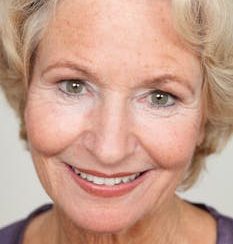
Marlene Martin
Marlene Martin is a retired high school English teacher who spent 38 years in the classroom before discovering plant-based eating in her late sixties. When her daughter first introduced her to the idea of removing animal products from her diet, Marlene was skeptical. But curiosity won out over habit, and what started as a reluctant experiment became a genuine transformation in how she thinks about food, health, and aging.
At VegOut, Marlene writes about nutrition, wellness, and the experience of embracing new ways of eating later in life. She brings a teacher’s instinct for clarity and patience to topics that can feel overwhelming, especially for readers who are just beginning to explore plant-based living. Her writing is informed by personal experience, careful research, and a belief that it is never too late to change.
Marlene lives in Portland, Oregon, where she spends her mornings reading research papers, her afternoons tending a modest vegetable garden, and her evenings knitting while listening to audiobooks. She has three adult children and two grandchildren who keep her honest about staying current.
More Articles by Marlene