After decades of maintaining what I thought were dozens of close friendships, retirement revealed a brutal truth: remove the PTA meetings, work committees, and soccer sidelines, and almost everyone disappears.

Add VegOut to your Google News feed. 
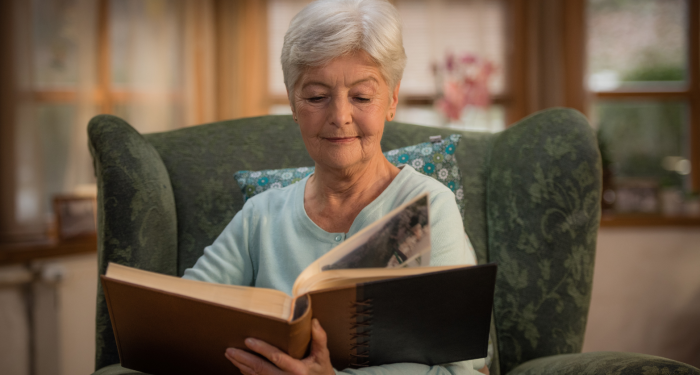
Last week, I sat in my living room surrounded by photo albums from the past forty years, and I couldn't shake this uncomfortable truth: I could count on one hand the people in those pictures who still call me just to chat. Not to organize something, not because they need advice, not because we're thrown together by circumstance, but simply because they wonder how I'm doing. At seventy, after decades of what I thought was a rich social life, I'm finally understanding that proximity and convenience created most of my connections, not genuine affinity.
This realization hit me like a slap of cold water, but strangely, it's also been liberating. For years, I confused being busy with being connected, mistaking a full calendar for a full heart.
The committee friendships that felt real
During my teaching years, I was surrounded by people constantly. Faculty meetings, parent conferences, book clubs, PTA events. My phone rang off the hook, my weekends were packed with social obligations, and I genuinely believed I had dozens of close friends. We'd laugh together in the teachers' lounge, share frustrations about curriculum changes, celebrate each other's children's graduations.
But here's what I didn't see then: we were friends of circumstance. Our kids played soccer together, so we stood on the same sidelines every Saturday. We taught in adjacent classrooms, so we grabbed lunch together. We served on the same committees, so we spent hours planning fundraisers. Remove the shared obligation, and what remained? Usually, not much.
After my divorce, I watched as couple friends gradually stopped including me in their dinner parties. Without a spouse to balance the table, I became socially inconvenient. Those friendships I'd nurtured for years through school functions and neighborhood barbecues? They evaporated like morning dew once the structure holding them together disappeared.
When retirement strips away the scaffolding
Virginia Woolf once wrote about the "cotton wool" of daily existence that obscures life's real moments. That's exactly what all those scheduled interactions were: cotton wool. They padded my days and made me feel connected, but they weren't the real moments of friendship.
Retirement pulled away that scaffolding brutally and efficiently. No more mandatory meetings where I'd catch up with colleagues. No more school events where parents clustered together. No more built-in reasons to see people regularly. Suddenly, maintaining friendships required intention, and that's when I discovered how few people actually wanted to make that effort. More painfully, I realized how few people I wanted to make that effort for.
The colleague who used to pop into my classroom daily to chat? We've had coffee exactly twice in four years. The parent friends from years of school plays and science fairs? Most didn't even notice when I stopped showing up to alumni events.
The difference between being known and being needed
Do you know what's humbling? Realizing that many people liked having you around because you were useful. I was the teacher who always volunteered to chaperone field trips. The colleague who'd cover classes without complaint. The friend who'd proofread college essays and write recommendation letters. People sought me out because I served a purpose in their lives.
Now, nobody needs me to do anything for them, and my phone has gone remarkably quiet. At first, this stung terribly. Was I only valuable for what I could provide? But then I started paying attention to who still reached out, who remembered my birthday without Facebook reminding them, who called just to share a funny story or check in after a doctor's appointment I'd mentioned weeks earlier.
These were the people who knew that I can't stand coffee that's been sitting too long, that I reread "To Kill a Mockingbird" every summer, that thunderstorms make me think of my grandmother. They knew me beyond my roles and responsibilities. They knew me when I had nothing left to offer but myself.
Learning to build differently at seventy
I recently wrote about finding purpose in later life, but I realize now that finding authentic connection might be even more important. At seventy, I'm approaching friendship with the selectiveness I should have had at thirty. I'm learning to invest deeply in a few relationships rather than spreading myself thin across many.
There's a woman I met at the library two years ago. We bonded over our shared love of mystery novels and now meet monthly to discuss books. But here's the thing: we also talk about our fears of aging, our complicated relationships with our adult children, our dreams that feel too silly to share with anyone else. She knows that I sometimes eat cereal for dinner and that I'm terrified of becoming irrelevant. I know that she writes poetry she's never shown anyone and that she's considering getting her first tattoo at seventy-two.
This is friendship without agenda, without convenience, without shared obligations. We choose each other, over and over, even when it means driving twenty minutes each way and rearranging our schedules. That choice, that intention, makes all the difference.
The unexpected gift of social invisibility
Here's something nobody tells you about getting older: there's freedom in becoming socially invisible. When you're no longer trying to network, impress, or maintain appearances, you can finally be selective about who deserves your energy. I've stopped accepting invitations out of obligation. I've stopped maintaining relationships that drain me. I've stopped pretending to enjoy small talk with people who never ask follow-up questions.
Instead, I'm cultivating what I call "Tuesday morning friendships." These are the people you can call on a random Tuesday morning, not because anything special is happening, but because you thought of them. The ones who answer the phone with genuine delight, not barely concealed inconvenience. The friends who remember conversations from months ago and ask how that situation resolved.
Final thoughts
At seventy, I have fewer friends than I did at fifty, and infinitely fewer than I thought I had at thirty. But the ones I have now? They know me. They know my stories, my fears, my terrible habit of starting books and not finishing them. They show up not because they have to, but because they want to. This smaller, realer circle feels like the friendship equivalent of finally wearing comfortable shoes after years of squeezing into heels that looked good but hurt like hell. The relief is profound, and I only wish I'd learned this difference decades ago.