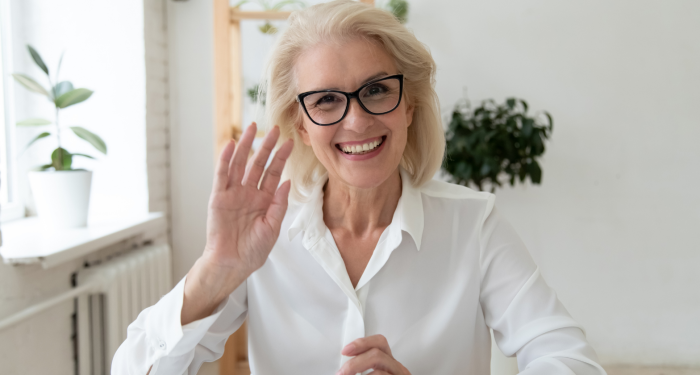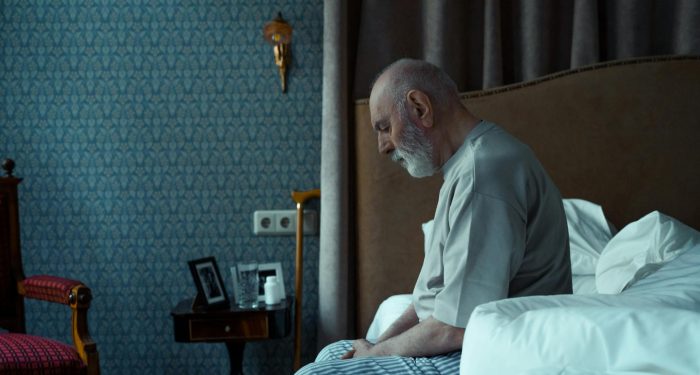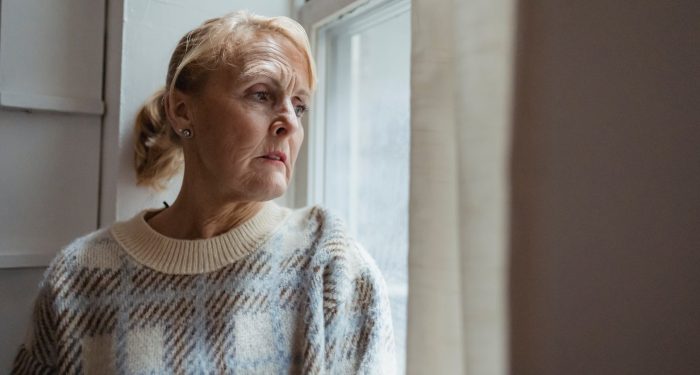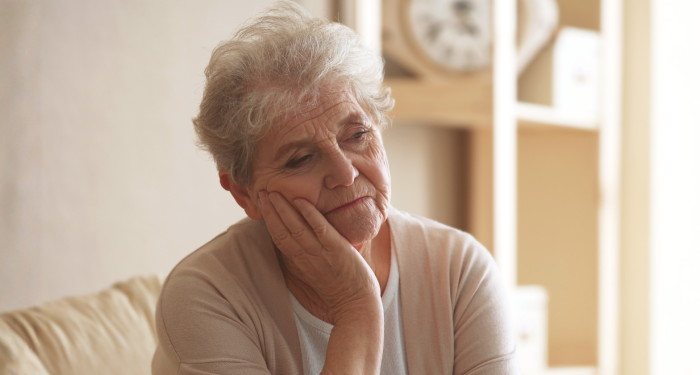
Walking into that hotel ballroom, I watched my former classmates divide into two shocking camps: those who looked fresh out of college and those who seemed ready for AARP membership, with zero middle ground between them.

Add VegOut to your Google News feed. 
The smell of the same cheap beer they served at prom hit me first. Then came the playlist - a bizarre mix of Outkast, The Killers, and whatever else topped the charts in 2000. Standing in that rented hotel ballroom, watching my former classmates filter in, I experienced the most surreal realization of my 44 years on this planet.
Half of us looked like we'd been put through a time machine set to "accelerate," while the other half appeared to have discovered the fountain of youth somewhere between graduation and now. No middle ground. Just two distinct camps of aging millennials, and nobody could explain why.
The great divide becomes impossible to ignore
You know that moment when you're scrolling through Facebook and see someone from high school? Sometimes you think "wow, they haven't aged a day," and other times you wonder if that's actually their parent.
At the reunion, this phenomenon was amplified tenfold. Standing face-to-face with people I'd shared lockers with, I couldn't help but notice the stark contrast. The former quarterback? Looked like he could still throw a decent spiral, his face somehow frozen circa 2005. Meanwhile, the guy who sat behind me in chemistry appeared to have lived through three lifetimes.
What struck me most wasn't jealousy or judgment. It was genuine curiosity. We all graduated the same year. We're all straddling that weird line between Gen X and millennials. So why did some of us seemingly skip two decades while others fast-forwarded through them?
Lifestyle choices tell only part of the story
The obvious explanations came up in conversation throughout the night. Exercise, diet, stress levels, whether someone had kids. But here's where it gets interesting - these factors didn't line up the way you'd expect.
I've spent years writing about health and lifestyle choices. Back in my music blogging days in Los Angeles, I lived on gas station coffee and whatever food was available at 2 AM after shows. These days, I'm vegan, I exercise regularly, and I actually sleep. Yet standing next to my old friend from Sacramento who still parties like it's 2003, I'm not sure who looks younger.
The mom of four who never left our hometown? She looked like she could be carded at a bar. The yoga instructor who posts daily smoothie recipes? She seemed exhausted, worn down by the very wellness culture she promoted.
Genetics plays favorites in ways we never anticipated
Remember when we thought 40 was old? When our parents hit this age, they seemed definitively adult - settled, established, wearing their age like a comfortable sweater.
But our generation exists in this bizarre space where some of us are essentially Benjamin Button-ing our way through middle age while others are speed-running toward retirement home aesthetics.
The science backs this up to some degree. Research shows that people age at vastly different rates on a cellular level. Some folks' biological age matches their chronological age perfectly. Others can be biologically younger or older by a decade or more.
Standing there in my vintage Modest Mouse shirt from 2004 (yes, I kept it from my blogging days), I wondered if our generation's unique relationship with stress, technology, and constant change had created this more extreme aging spectrum.
The psychology of perception shapes what we see
I've written before about how our self-perception influences how others see us. But at this reunion, something deeper was at play.
Those who looked younger weren't necessarily the ones who "had it all together." In fact, some of the most youthful-looking people confessed to major life upheavals - divorces, career changes, losses. Meanwhile, several who looked older had seemingly perfect lives on paper.
Could it be that those who looked younger had somehow maintained a certain cognitive flexibility? A willingness to adapt rather than resist change?
There's fascinating research on how our mental state affects our physical appearance. People who feel younger than their chronological age often look younger too. It's not just about positive thinking - it's about maintaining curiosity, embracing uncertainty, and refusing to calcify into rigid patterns.
Technology changed how we age in public
Our generation is the first to age entirely in the digital spotlight. We went from film cameras in high school to smartphones that document every moment. We learned to curate our images, use filters, understand angles.
But here's what I noticed: the people who looked youngest at the reunion weren't necessarily the ones with the most polished Instagram feeds. Sometimes it was the opposite. The person with three photos total on social media walked in looking fresh-faced, while the influencer-types sometimes looked exhausted by their own performance.
We're the generation that invented "pics or it didn't happen," then had to learn that documenting everything might be aging us faster than living it.
The unexpected freedom of the aging spectrum
As the night wore on and the conversations got deeper (aided by that cheap beer), I realized something liberating about this whole situation.
If there's no predictable pattern to how we're aging, if the usual rules don't seem to apply, then maybe we're free to write our own rules entirely.
The pressure to age "gracefully" or "appropriately" loses meaning when half your graduating class looks ready for senior discounts while the other half gets carded buying wine. There's no standard to measure against, no normal to achieve.
One woman told me she'd started a punk band at 42. Another had just finished medical school. A guy who looked exactly the same as senior year had become a grandfather. The timelines were all scrambled, and somehow that felt right for our generation - the one that grew up analog and came of age digital, that was promised everything and inherited uncertainty.
Wrapping up
Walking out of that reunion, past the discarded name tags and empty beer bottles, I couldn't shake the feeling that we'd stumbled onto something significant about our generation.
We're not aging like our parents did, with predictable milestones and visible markers. We're creating a new template entirely - one where chronological age means less than ever, where 44 can look like anything from 28 to 50, and where the only real measure is how willing we are to keep evolving.
Maybe that's the real lesson from seeing this stark divide among my former classmates. Not that some of us are aging "better" or "worse," but that we're the first generation to prove that aging isn't a uniform process. It's as individual as the indie bands I used to review, each finding their own sound, their own rhythm, their own way forward.
And honestly? That's the most millennial thing about us.