The silence of retirement had become so deafening that I was reorganizing already-organized spices just to feel productive, until a 72-year-old stranger with a manuscript taught me that I wasn't writing an epilogue—I was starting a new chapter.

Add VegOut to your Google News feed. 
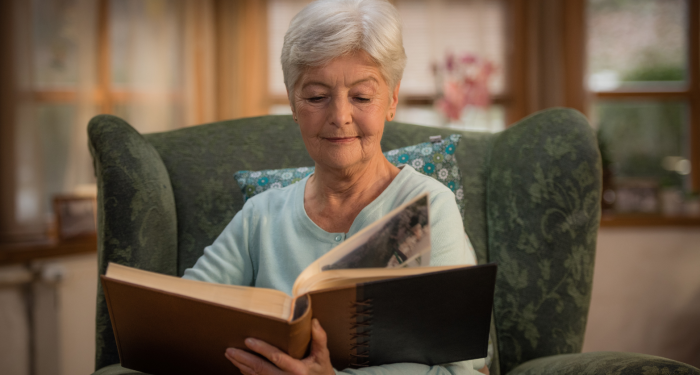
Six months into retirement, I found myself sitting in my kitchen at 2 PM on a Tuesday, still in my pajamas, staring at a crossword puzzle I'd already finished. The house was so quiet I could hear the clock ticking in the living room. This was supposed to be freedom. This was supposed to be the life I'd worked thirty-two years for. Instead, I felt like I was slowly disappearing.
For decades, I'd told anyone who would listen about my retirement plans. The travel, the reading, the leisurely mornings. "Just wait until I don't have to grade another essay," I'd say, laughing with colleagues in the teacher's lounge. When my knees finally gave out after too many years standing in front of a classroom, I took it as a sign. At sixty-four, I walked away from teaching high school English with a smile on my face and a box of goodbye cards from students.
But nobody tells you that retirement can feel like stepping off a cliff into silence.
The weight of empty hours
Have you ever noticed how time moves differently when you have nowhere to be? Those first few weeks, I luxuriated in sleeping past 5:30 AM. I made elaborate breakfasts. I alphabetized my bookshelves. By month three, I was having full conversations with the grocery store clerk just to hear another human voice respond to mine.
The terrifying thought crept in during those long afternoons: What if this is it? What if everything meaningful, everything that made me feel alive and necessary, was already in the rearview mirror?
I started lying to friends who called to check in. "Oh, I'm loving it!" I'd chirp, while standing in my kitchen for the third hour straight, reorganizing spices that were already perfectly organized. "So much time to read!" I'd say, not mentioning that I'd been staring at the same page for twenty minutes, my mind wandering to September lesson plans I'd never need to write again.
The truth was, I felt untethered. For three decades, my days had been structured around bell schedules and semester rhythms. September meant new beginnings. June meant bittersweet goodbyes. Now every month looked exactly the same, stretching endlessly forward like a flat, featureless road.
A chance encounter changes everything
One morning, desperate to escape my own thoughts, I forced myself to walk to the coffee shop three blocks away. I'd been going there for years, but always in a rush between classes or grading papers. This time, I had nowhere to be afterward.
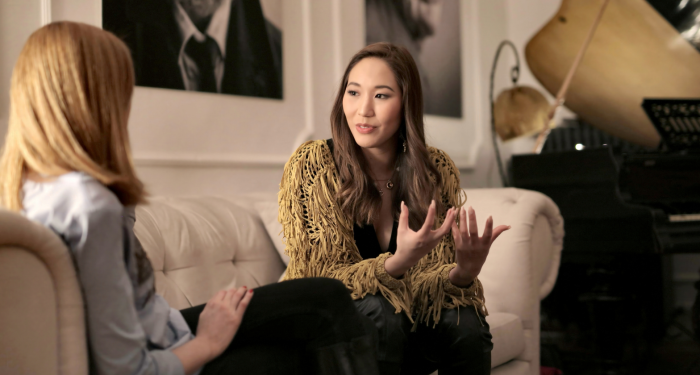
I was sitting by the window, watching people hurry past with such purpose it made my chest ache, when an older woman asked if she could share my table. The place was crowded, and she was balancing a coffee and what looked like a manuscript.
"Are you a writer?" I asked, nodding at her papers.
She laughed. "Started at seventy-two. Figured I'd better hurry up if I had anything worth saying."
Something about her casual confidence knocked the wind out of me. Started at seventy-two. Like it was nothing. Like life hadn't ended at retirement but had simply shifted into a different gear.
We talked for two hours. She told me about her first career as a nurse, her second as a grandmother, and her third as someone who finally had time to put words to all the stories she'd been collecting. "The thing about getting older," she said, stirring her coffee thoughtfully, "is that we think life is a single narrative with a beginning, middle, and end. But it's really a collection of chapters. Some are longer than others. Some are more exciting. But there's always another page to turn if you're brave enough to keep writing."
Finding the courage to turn the page
Walking home from that coffee shop, I felt something shift. Not dramatically, not like lightning striking, but like a door opening just a crack, letting in a sliver of light.
That evening, instead of watching television until I could reasonably go to bed, I pulled out an old journal. I wrote about the fear that had been suffocating me. I wrote about missing my students, about the way September still made me want to buy new pens and fresh notebooks. But I also wrote about other things. The stories I'd collected over the years. The lessons that had nothing to do with grammar or thesis statements.
Virginia Woolf once wrote, "Life is not a series of gig lamps symmetrically arranged; life is a luminous halo." I'd taught that quote dozens of times, but only now did I understand what she meant. Life isn't a linear progression where meaning ends when one phase concludes. It's messier, more mysterious, more generous than that.
Building something new from what remains
The transformation didn't happen overnight. But slowly, I began to see retirement not as an ending but as a clearing. A space where something new could grow.
I started small. I converted the old bookshelf on my front lawn into a little free library, filling it with books that had shaped me. Watching neighbors stop to browse, seeing children tug their parents over to peek inside, gave me a familiar flutter of purpose.
Then came the writing. Tentatively at first, just personal essays about things I'd observed over the years. A friend who read one suggested I share them more widely. "You have stories worth telling," she said, and for the first time in months, I believed that might be true.
At sixty-six, I became a writer. Not the kind I'd always imagined, grading student essays and teaching the five-paragraph format. But someone who could finally take all those years of reading, teaching, and living and transform them into something new.
Final thoughts
That stranger in the coffee shop was right. Life is a collection of chapters, and retirement is simply the start of a new one, not the epilogue. The best parts of my life weren't behind me; they had just changed shape. Now, when I wake at 5:30 AM, I spend that first quiet hour with my journal and tea, not planning lessons but exploring thoughts I never had time to examine before. The silence that once felt suffocating has become spacious, full of possibility rather than absence.
If you're facing your own transition, your own fear that the meaningful part of life has passed, I want you to know this: purpose doesn't retire when you do. It just waits patiently for you to discover what it looks like in this new chapter. Sometimes it takes a stranger's wisdom to remind us that we're still writing our story, one page at a time.