It's the random Tuesday when I see fresh figs at the market and instinctively reach for my phone to text my daughter about her favorite tart recipe, only to remember she hasn't spoken to me in three years.

Add VegOut to your Google News feed. 
The morning light filters through my kitchen window the same way it always has, catching the dust motes that dance above my coffee cup. I'm sitting in my usual spot, the one where I can see the cardinal that visits my feeder every morning at 7:15. My phone sits beside me on the table, screen dark, notifications silent. Not because I've turned them off, but because there's nothing to notify me about anymore.
Three years have passed since my children decided that our political differences were insurmountable. Three years of birthdays acknowledged only by their absence, of Mother's Days that feel like any other Sunday, of Christmas mornings when the silence is so loud it drowns out everything else. I thought those milestone days would be the hardest. I prepared myself for them, steeled my heart against the particular sting of a holiday without the sound of my daughter's laughter or my son's terrible dad jokes that he inherited from his father.
But I was wrong. It's the Tuesday afternoons that undo me.
The weight of ordinary moments
Last week, I was grocery shopping when I spotted fresh figs at the market. My hand reached for my phone before my brain caught up. Grace loves figs. She makes this incredible tart with goat cheese and honey that she learned from a cooking class we took together years ago. For a moment, I stood there in the produce section, phone halfway out of my pocket, remembering that I can't just text her a photo with "Look what I found!" followed by three heart emojis like I used to.
These mundane moments ambush me with a grief I wasn't prepared for. When I see a headline about the latest archaeological discovery and can't forward it to Daniel, who has been obsessed with ancient civilizations since he was twelve. When my neighbor's grandson gets accepted to the same college Daniel attended, and I can't share the news. When I finish a book that would spark the kind of debate Grace and I used to have over wine on her back porch.
The holidays, at least, come with warning. I can brace myself for Christmas Eve, plan a trip for Thanksgiving, volunteer at the soup kitchen on Mother's Day. But Tuesday afternoons? Wednesday mornings? Those random Saturday evenings when something funny happens and my first instinct is still, after all this time, to share it with them? Those are the moments that leave me breathless with loss.
Learning to live with phantom limbs
Have you ever heard of phantom limb syndrome? It's when people who've lost a limb still feel sensations where it used to be. That's what this feels like. My children are my phantom limbs. I still feel them in my life, still reach for them, still expect them to be there when I turn around. The neural pathways of 45 years of motherhood don't simply disappear because of a political argument that spiraled into something neither side knows how to come back from.
I find myself having conversations with them in my head. When I read about a new scientific breakthrough, I imagine telling Daniel about it, can almost hear his thoughtful "Hmm, interesting" response. When I try a new recipe, I mentally note what Grace would adjust, how she'd suggest adding more lemon or a pinch of cayenne. These imaginary exchanges are both a comfort and a cruelty.
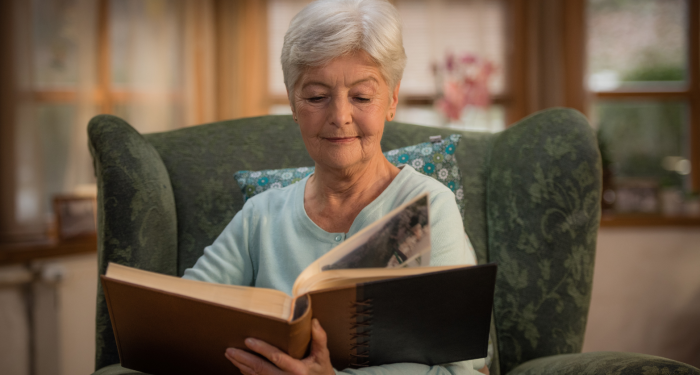
The other day, I was organizing old photos and found one from about fifteen years ago. We're all at the beach, sun-kissed and laughing at something I can't remember now. What strikes me most about that photo isn't our smiles or the beautiful sunset behind us. It's how unconsciously we're all leaning toward each other, like plants bending toward light. We were each other's gravity then. Now, we're just separate planets spinning in our own orbits.
The stories we tell ourselves
Virginia Woolf once wrote, "The past only comes back when the present runs so smoothly that it is like the sliding surface of a deep river." My present doesn't run smoothly anymore. It stutters and stops at unexpected moments, caught on the snags of memory.
I've spent considerable time trying to understand how we got here. How political beliefs became more important than Sunday dinners, than celebrating graduations, than being present for each other's losses and triumphs. I've written and rewritten letters I'll never send, explaining my positions, apologizing for harsh words, attempting to build bridges back to them. But every draft ends up in the trash because I know the problem isn't what I say. It's that we've forgotten how to hear each other.
Sometimes I wonder if they have these moments too. Does Daniel's hand hover over my contact when his daughter, my granddaughter, does something remarkable? Does Grace think of calling me when she's sick, the way she always used to, wanting the particular comfort only a mother's voice can provide? Or have they successfully severed those impulses, trained themselves out of the muscle memory of our relationship?
Finding grace in the grief
I've learned that grief isn't linear, and it isn't reserved only for death. We can grieve relationships that still exist but are unreachable. We can mourn people who are alive but absent. This particular variety of loss comes with its own unique pain: the possibility of reconciliation that dangles just out of reach, taunting us with "maybe someday" while the days keep accumulating into years.
But here's what I've also learned: love doesn't require proximity. I still love my children fiercely, even from this distance. I celebrate their successes that I learn about through mutual friends. I pray for their happiness every morning. I hold space for them in my heart, even though they've asked me not to hold space for them in my life.
Some days, I practice radical acceptance. I acknowledge that they are adults who get to choose their boundaries, even when those boundaries break my heart. Other days, I rage against the absurdity of it all, how we've let political tribalism poison the well of family love. Most days, I live somewhere in between, carrying both my love for them and my grief over their absence like stones in my pocket, their weight familiar now.
Final thoughts
That cardinal still comes to my feeder every morning at 7:15. I've started thinking of him as a messenger from a universe that insists on bringing beauty even to broken places. Today is Tuesday. An ordinary Tuesday. My phone sits silent beside me, and I'm learning to find fullness even in this emptiness. I'm learning that sometimes loving someone means accepting their absence, that sometimes the greatest gift we can give our children is respecting their choices, even when those choices exclude us.
The hardest part isn't the holidays. It's every ordinary day when love has nowhere to go but inward, where it sits, patient and permanent, waiting.
If You Were a Healing Herb, Which Would You Be?
Each herb holds a unique kind of magic — soothing, awakening, grounding, or clarifying.
This 9-question quiz reveals the healing plant that mirrors your energy right now and what it says about your natural rhythm.
✨ Instant results. Deeply insightful.
Marlene Martin
Marlene is a retired high school English teacher and longtime writer who draws on decades of lived experience to explore personal development, relationships, resilience, and finding purpose in life’s second act. When she’s not at her laptop, she’s usually in the garden at dawn, baking Sunday bread, taking watercolor classes, playing piano, or volunteering at a local women’s shelter teaching life skills.
More Articles by Marlene