The silence in my kitchen is deafening — the same phone that once rang constantly with carpools, emergencies, and teenage drama now sits untouched for days, a monument to the cruel irony that successful parenting means working yourself out of the job you loved most.
Thirty-two years of active mothering adds up to roughly 11,680 days. Somewhere in that span, I logged an estimated 4,000 hours in bleachers and auditoriums, drove approximately 85,000 miles of carpools, and fielded calls at every hour — midnight panic, early morning logistics, the 3 PM "Mom, can you pick me up?" Years when my phone rang so often I'd silence it just to eat dinner in peace. Now I average about one brief call from each child per month, usually while they're driving somewhere, multitasking their way through obligatory check-ins.
The data tells a clean story: constant contact tapers to near-silence once the job is done. But data doesn't capture what it feels like to stand in your kitchen at 10 PM, staring at a phone that's been fully charged and volume-up for three days without ringing. Not even a text. You pick it up to make sure it's still working, then set it back down and make yourself a cup of tea you don't want, just to have something to do with your hands.
This is what they don't tell you about successful parenting: you work yourself out of a job, and nobody gives you a retirement party.
Nobody even notices the office is empty.
The mathematics of letting go
They're 45 and 42 now, my son and daughter. Successful, capable adults with mortgages and meal plans and children who need them the way they once needed me. I watch my daughter juggle her kids and a demanding career, and I see myself decades ago, that same frantic energy, that same certainty that there aren't enough hours in the day. When she forgets to return my calls, I understand. I remember being her.
But understanding something intellectually and feeling it settle peacefully in your chest are two different things entirely.
What filling the silence looks like
After my husband died two years ago, the quiet became almost unbearable. During his illness, the kids called more frequently, visited more often. Crisis has a way of pulling families together, creating a temporary urgency that makes everyone remember what matters. But grief, I've learned, has a shorter shelf life than you'd expect. After the memorial service, after the thank you cards, after the estate was settled, they drifted back to their lives, and I drifted into mine.
I've become one of those women I used to notice at the grocery store, the ones who chat with cashiers about the weather, who know every employee's name at the library, who join book clubs not for the books but for the obligation to leave the house on Wednesdays. I volunteer at the women's shelter, teaching resume writing and interview skills. I've taken up watercolor painting, badly. I grow tomatoes I give away to neighbors because I can't eat them all myself.
Are you doing this too? Building scaffolding around the empty spaces, creating structure where chaos used to live?
The cruel efficiency of good parenting
Sometimes I think about young mothers I see in parking lots, wrestling car seats and diaper bags, looking exhausted and overwhelmed, and I want to grab them by the shoulders and whisper, "Pay attention. Memorize this. The weight of that child on your hip, the sticky handprint on your clean shirt, the endless questions that make you want to hide in the bathroom. One day you'll be sitting alone at a table set for one, and you'd trade anything for that beautiful, terrible chaos." But I don't say it, because they wouldn't believe me anyway. How could they? When you're drowning in needs and wants and "Mom, Mom, MOM!" the idea of silence seems like paradise. They'd smile politely and go back to buckling the car seat, and they'd be right to, because no amount of warning changes the fact that you can't feel the weight of something until it's gone. That's not a failure of imagination on their part. It's just the way time works on all of us.
I taught my children to be independent because that's what good mothers do. I made them pack their own lunches, do their own laundry. They learned to solve problems, make decisions, handle disappointment. I was so proud of their self-sufficiency, their confidence, their ability to navigate the world without constantly checking in.
Be careful what you wish for, as they say.
Learning to live with echoes
My refrigerator is covered in photographs from when they were young. Soccer teams, school plays, family vacations to places we couldn't really afford but went anyway. My daughter at her college graduation, my son at his wedding, grandchildren at various stages of growth. Evidence of a life well-lived, a job well-done. But photographs don't call you back. They don't need anything from you.
In my previous post about finding purpose after retirement, I wrote about the importance of creating new identities beyond our primary roles. Easy to write, harder to live. The identity of "mother" doesn't retire gracefully. It lingers, ghostlike, in empty bedrooms turned into offices, in recipes that serve six when you only need one, in the habit of buying their favorite snacks at the store before remembering they haven't been home in months.
Virginia Woolf once wrote, "I have lost friends, some by death, others by sheer inability to cross the street." I've lost my children to something similar but more complex: the sheer inability to bridge the gap between needing and being needed, between their fullness and my emptiness, between their forward motion and my stillness.
The geography of distance
My son lives out of state. My daughter is across town, but it might as well be another country for how often our paths cross without deliberate intention. They both say, "We should get together more often," and they mean it when they say it. But meaning something and making space for it in a life crammed with immediate demands are different things.
I've stopped saying, "Call me anytime." It sounds too much like begging. Instead, I send occasional texts: photos of their childhood artwork I find while cleaning, quick notes about books they might like, hearts and thumbs-up reactions to their social media posts. Digital breadcrumbs that say "I'm thinking of you" without demanding response.
Is this pathetic? Sometimes I think so. And I'm not sure the other times are any different — I think those are just the days I'm better at dressing it up as something nobler. Calling it evolution or adaptation doesn't change what it is: a mother rationing herself into doses small enough not to inconvenience anyone.
Final thoughts
Yesterday, my phone finally rang. My daughter, calling from the school pickup line. "Mom, quick question, how did you make that chicken thing we used to have on Sundays?" Five minutes of recipe recitation, a brief "thanks, love you, gotta go," and she was gone.
For those five minutes, I was necessary again. Not in the big ways, not in the life-shaping ways, but in the small, connective tissue way that says the thread between us, though thin, remains unbroken. I hung up and stood there in the kitchen, holding the phone a little too long before setting it back on the counter.
People tell me the silence is evidence. That I raised humans who are out in the world, raising their own humans, living their own stories. Maybe that's true. Or maybe the silence is just silence, and I haven't figured out which yet.
The phone stays on the counter, charged and ready. I tell myself I'm not waiting anymore. I'm just available. I'm told there's a difference.
If You Were a Healing Herb, Which Would You Be?
Each herb holds a unique kind of magic — soothing, awakening, grounding, or clarifying.
This 9-question quiz reveals the healing plant that mirrors your energy right now and what it says about your natural rhythm.
✨ Instant results. Deeply insightful.
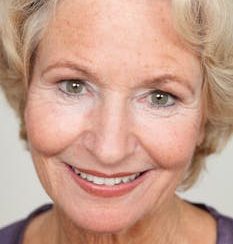
Marlene Martin
Marlene Martin is a retired high school English teacher who spent 38 years in the classroom before discovering plant-based eating in her late sixties. When her daughter first introduced her to the idea of removing animal products from her diet, Marlene was skeptical. But curiosity won out over habit, and what started as a reluctant experiment became a genuine transformation in how she thinks about food, health, and aging.
At VegOut, Marlene writes about nutrition, wellness, and the experience of embracing new ways of eating later in life. She brings a teacher’s instinct for clarity and patience to topics that can feel overwhelming, especially for readers who are just beginning to explore plant-based living. Her writing is informed by personal experience, careful research, and a belief that it is never too late to change.
Marlene lives in Portland, Oregon, where she spends her mornings reading research papers, her afternoons tending a modest vegetable garden, and her evenings knitting while listening to audiobooks. She has three adult children and two grandchildren who keep her honest about staying current.
More Articles by Marlene