Between the paradise posts and perfect smoothie bowls lies a reality of monthly visa runs, WiFi outages during client calls, and the lonely truth that everyone you connect with will leave within weeks.

Add VegOut to your Google News feed. 
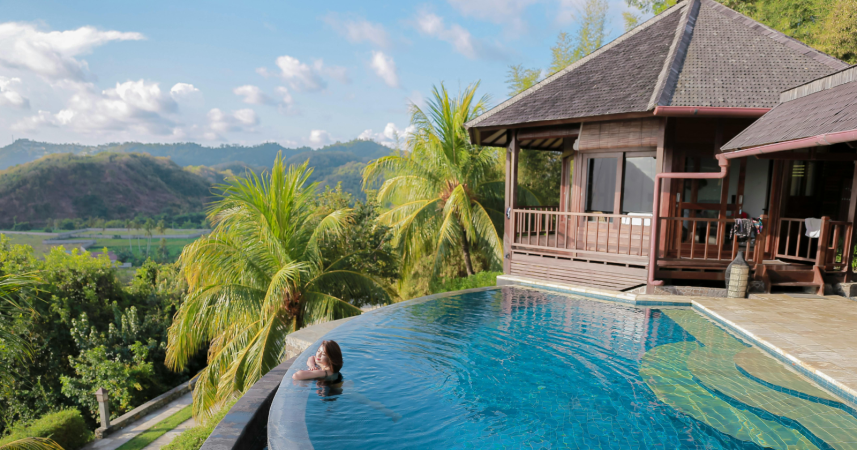
Picture this: Your Instagram feed shows another sunset yoga session at a clifftop temple, followed by a smoothie bowl that costs $2, and a laptop strategically placed next to an infinity pool overlooking rice terraces.
Now picture this: You're sweating through your third power outage of the week, your neighbor's roosters have been screaming since 4 AM, and you just discovered your "furnished" villa doesn't actually have hot water. Welcome to the real Bali.
I spent two years living the digital nomad dream in Ubud and Canggu, and while I wouldn't trade those experiences for anything, the reality looked nothing like the carefully curated content flooding your social media. The truth? It's messier, harder, and in some ways, more rewarding than any influencer will ever show you.
The visa runs nobody talks about
Ever wonder how people stay in Bali for months or years? Unless you're Indonesian or have a business visa (which most nomads don't), you're doing visa runs every 30 to 60 days.
That means hopping on a plane to Singapore, Kuala Lumpur, or Bangkok, turning around, and coming right back. Each trip costs anywhere from $200 to $500, depending on how last-minute you book. The immigration officers know exactly what you're doing, and sometimes they make it difficult. I once spent six hours in immigration because they decided to "randomly" question everyone doing back-to-back tourist visas.
One nomad I met had been doing this for three years. Three years of monthly flights, just to maintain the lifestyle. The carbon footprint alone made my environmentalist heart sink, but that's another conversation entirely.
You know what else they don't mention? The constant anxiety of wondering if this time, they won't let you back in. Indonesia changed its visa policies twice while I was there, and each time, the entire nomad community went into panic mode.
Your productivity will tank (at first)
Remember that infinity pool with the laptop? Good luck getting any actual work done there. The glare makes your screen invisible, the WiFi barely reaches, and you'll fry your computer in the heat within an hour.
Most of us ended up working from air-conditioned coworking spaces that could have been anywhere in the world. The romantic notion of working from a beach or jungle cafe quickly gives way to the reality of needing reliable internet and a proper desk. Those gorgeous cafes? They're for Instagram photos and maybe a coffee break, not for client calls or focused work.
I learned this the hard way when I lost a major client because I kept having to reschedule calls due to internet outages. The "island time" mentality is real, and while it's great for your stress levels, it's not always compatible with Western business expectations.
What surprised me most was how many nomads were barely scraping by, taking on whatever freelance work they could find just to maintain the lifestyle. The cost of living might be lower, but when your income becomes equally unstable, that paradise starts feeling like a golden cage.
The wellness culture has a dark side
Bali sells itself as a healing paradise, and everywhere you turn, someone's offering to fix your chakras, read your future, or guide you through a transformational journey. Sound baths, ecstatic dance, breathwork, cacao ceremonies - I tried them all.
But here's what I observed: many people come to Bali to escape their problems, not solve them. They bounce from one healing modality to another, never actually doing the hard work of genuine change. I watched people spend thousands on retreats and ceremonies while avoiding therapy or addressing their real issues back home.
The wellness scene can also be surprisingly judgmental. As someone who's been vegan for years, I thought I'd fit right in. Instead, I found myself in conversations about whether my veganism was "conscious enough" or if I was "vibrating at the right frequency." The pressure to be perpetually enlightened and positive was exhausting.
I've written before about the importance of authentic self-development versus performative growth, and nowhere was this distinction more apparent than in Ubud's yoga studios and organic cafes.
Community is everything (and nothing)
The nomad community in Bali is incredibly transient. You'll meet amazing people, have deep conversations until 3 AM, make plans for future travels together, and then they're gone. Off to Thailand, back to Germany, or chasing summer in Mexico.
This constant goodbye cycle is emotionally draining in ways I hadn't anticipated. You're simultaneously never alone and always lonely. The connections feel intense because everyone's in this heightened state of adventure and self-discovery, but they rarely last beyond Bali.
Sure, you'll have hundreds of WhatsApp contacts and Instagram friends, but when you're sick with dengue fever (yes, that's a real risk nobody mentions), those digital connections don't bring you soup or take you to the hospital.
The expats who've been there for years have a different energy altogether. Many seem stuck, unable to leave but not fully committed to staying. They've built businesses around teaching other nomads how to be nomads - an endless cycle of people selling the dream to newcomers.
The environmental reality hits different
When you're living somewhere temporarily, it's easy to ignore the environmental impact. But after a few months, you can't unsee the plastic burning in the streets, the overdevelopment destroying rice fields, or the traffic that gets worse every month.
The island's infrastructure wasn't built for millions of tourists and thousands of digital nomads. Water shortages are common, waste management is overwhelmed, and the very things that made Bali special are disappearing under concrete and commerce.
As someone who photographs urban landscapes, I documented this transformation extensively. Each month, another rice field became a villa complex, another local warung was replaced by a Western brunch spot charging Melbourne prices.
You start to realize you're part of the problem, no matter how many metal straws you use or beach cleanups you attend. The cognitive dissonance between wanting to enjoy paradise and knowing you're contributing to its destruction is real.
Wrapping up
Would I do it again? Absolutely. But I'd go in with completely different expectations.
Bali taught me that paradise isn't a place - it's a state of mind that you have to work for regardless of your longitude and latitude. The problems you're running from have a way of finding you, even in the most beautiful settings.
The real transformation doesn't come from the place itself but from stepping outside your comfort zone, dealing with uncertainty, and learning who you are when everything familiar is stripped away. That's valuable, but you don't need to fly 8,000 miles to find it.
If you're considering the digital nomad life in Bali, go for it. But don't expect it to look like the highlight reels. Expect mosquito bites, food poisoning, lonely nights, and moments of questioning everything. Expect to work harder than ever while everyone back home thinks you're on permanent vacation.
Most importantly, expect to learn that wherever you go, there you are. The scenery might change, but the real work of building a meaningful life and career travels with you.
If You Were a Healing Herb, Which Would You Be?
Each herb holds a unique kind of magic — soothing, awakening, grounding, or clarifying.
This 9-question quiz reveals the healing plant that mirrors your energy right now and what it says about your natural rhythm.
✨ Instant results. Deeply insightful.

Jordan Cooper
Jordan Cooper is a pop-culture writer and vegan-snack reviewer with roots in music blogging. Known for approachable, insightful prose, Jordan connects modern trends—from K-pop choreography to kombucha fermentation—with thoughtful food commentary. In his downtime, he enjoys photography, experimenting with fermentation recipes, and discovering new indie music playlists.
More Articles by Jordan