Discover how one person's perfectly orchestrated life of back-to-back meetings, evening wine, and constant podcasts was actually an elaborate escape room they'd built to avoid a simple feeling—until their grandmother's tears at Thanksgiving exposed the truth they'd been running from.
That title? That was me describing my thirties.
For years, I built this elaborate system to avoid confronting what was really going on inside. Every morning started the same way: alarm at 6:30, quick scroll through emails, oat milk latte in hand by 7:15, news consumed while standing at my kitchen counter. By 8 AM, I was already three meetings deep in my calendar.
The busier I kept myself, the less time I had to notice that persistent hollow feeling that followed me around like a shadow.
The architecture of avoidance
Have you ever caught yourself scheduling every single hour of your day, not because you need to, but because you're afraid of what might bubble up in the quiet moments?
I became a master architect of distraction. My Google Calendar looked like a game of Tetris - color-coded blocks stacked so tightly that even a 15-minute gap felt threatening. Work calls, coffee meetings, gym sessions, dinner plans, weekend trips. If someone canceled on me, I'd feel this weird panic and immediately text three other people to fill the slot.
The thing about running from emptiness is that you get really good at it. You develop sophisticated strategies without even realizing what you're doing. Mine included becoming the friend who always had background music playing, the guy who couldn't sit through a meal without checking his phone, the person who fell asleep to podcasts because silence felt too loud.
I even convinced myself this was productivity. This was living fully. This was making the most of my time in Venice Beach, soaking up every opportunity this city had to offer.
But here's what nobody tells you about emptiness: it's patient. Infinitely patient.
When the noise stops working
The wine started as a weekend thing. Just a glass with dinner, something to take the edge off after a long week. Then it became a Thursday thing too, because Thursday is basically Friday, right? Before I knew it, that evening glass became as routine as my morning latte.
I wasn't drinking to get drunk. I was drinking to blur the edges of that feeling that would creep in around 6 PM, when the workday wound down and the apartment got too quiet. My partner would be reading on the couch, and I'd be there with my Pinot Noir, scrolling through Instagram, filling my head with other people's curated lives.
The cruel joke? Every morning, without fail, the emptiness would be waiting for me. Like a loyal dog that never left my doorstep, no matter how many times I pretended not to see it.
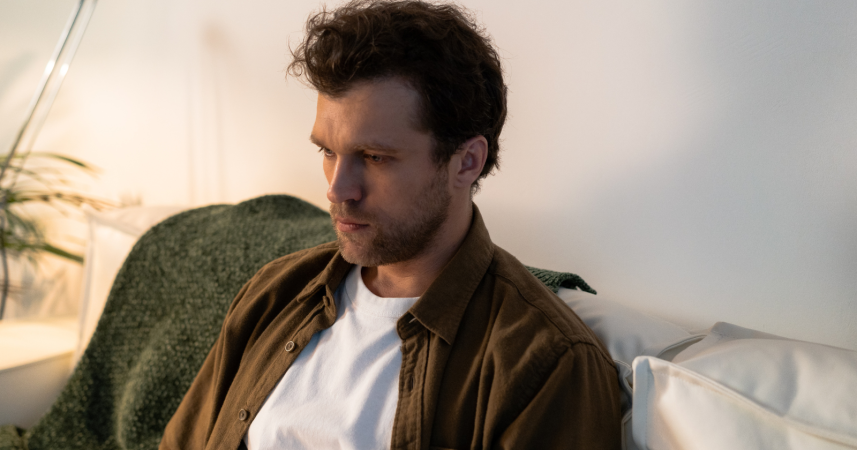
I remember one morning particularly well. I'd had a "successful" day before - back-to-back meetings, a workout, dinner with friends, the usual evening wind-down routine. But at 5 AM, I found myself wide awake, staring at the ceiling, and for the first time, I couldn't pretend anymore. The feeling was so present, so undeniable, that all my usual tricks felt like trying to put out a fire with tissue paper.
The moment everything shifted
I've mentioned this before, but sometimes the biggest revelations come from the smallest moments.
Mine came during Thanksgiving at my grandmother's house. She'd spent days preparing this feast, and when I politely declined most of it because of my dietary choices, she actually started crying. Not angry tears - sad ones. She said something that hit me like a truck: "You're always so busy being somewhere else, even when you're right here."
She wasn't talking about the food. She was talking about me. About how I'd show up physically but never really arrive. How I'd be checking my phone between courses, already planning my next thing, never just... being there.
That night, driving back home, I turned off the podcast I usually played. I drove in complete silence for the first time in years. And instead of feeling unbearable, the quiet felt like finally taking off shoes that had been too tight for years.
Learning to sit with the uncomfortable
What would happen if you stopped running from that feeling you've been avoiding? Not forever, just for five minutes?
This was the question I started asking myself. I began small. Really small. Instead of immediately reaching for my phone when I woke up, I'd lie there for two minutes. Just me and whatever I was feeling. No judgment, no trying to fix it, just acknowledgment.
Those two minutes were excruciating at first. The emptiness felt overwhelming, like staring directly at the sun. But gradually, something strange happened. The more I looked at it, the less scary it became. It wasn't this monster I'd built up in my head. It was just... a feeling. A human feeling that probably meant something worth understanding.
I started incorporating tiny pockets of stillness into my day. A three-minute break between video calls where I'd just sit. Walking to the coffee shop without earbuds. Eating lunch without any screens. Each time, that empty feeling would show up, and each time, I'd try to get curious about it instead of immediately stuffing it down.
What emptiness was trying to tell me
Here's what I learned: emptiness isn't the absence of something. It's information.
For me, that hollow feeling was my inner compass trying to tell me I was living someone else's definition of a full life. All those packed calendars and constant activities? They weren't feeding me; they were just keeping me busy. There's a massive difference between being full and being fulfilled.
The emptiness was asking me questions I'd been too scared to answer: What do you actually want? What matters to you when nobody's watching? Who are you when you're not performing productivity?
Once I started listening instead of avoiding, the answers came slowly but clearly. I wanted deeper connections, not more of them. I wanted work that meant something, not just work that paid well. I wanted to be present for my actual life, not the life I was curating for others to see.
The practice of presence
Changing a lifetime of avoidance patterns doesn't happen overnight. Think about it - if you've spent years building elaborate systems to not feel something, dismantling those systems takes time and patience.
I started with what I call "conscious gaps." Instead of automatically filling every empty moment, I'd deliberately leave some space. A free evening with no plans. A Saturday morning with nothing scheduled until noon. At first, these gaps felt like holding my breath underwater. But slowly, they became moments of relief.
I also had to examine my relationship with stimulation. Why did I need podcasts to fall asleep? Why couldn't I eat a meal without entertainment? These weren't just habits; they were protective mechanisms. And like any armor, they were both protecting me and weighing me down.
The real work came in learning to differentiate between healthy engagement and numbing behavior. Going to dinner with friends because I genuinely wanted connection? Great. Scheduling three social events in one day because I couldn't stand being alone with myself? Not so great.
Wrapping up
That patient, unchanged emptiness I described? It's still there sometimes. The difference is that now I recognize it as a friend, not an enemy. It's my internal alarm system, letting me know when I'm drifting away from what actually matters to me.
These days, my calendar has space in it. Actual white space where nothing is planned and nothing needs to happen. My evenings don't automatically include that glass of wine. Sometimes I sit on my couch and just... sit. No phone, no book, no podcast. Just me and whatever's there.
And you know what? The emptiness doesn't feel empty anymore. It feels like possibility. Like space for something real to finally grow.
If you're reading this and recognizing yourself in my story, know that you don't have to keep running. That feeling you're avoiding might be the very thing that leads you back to yourself. Start small. One quiet moment. One honest acknowledgment. One tiny gap in your carefully constructed armor.
The emptiness isn't trying to hurt you. It's trying to tell you something.
Maybe it's time to listen.
What’s Your Plant-Powered Archetype?
Ever wonder what your everyday habits say about your deeper purpose—and how they ripple out to impact the planet?
This 90-second quiz reveals the plant-powered role you’re here to play, and the tiny shift that makes it even more powerful.
12 fun questions. Instant results. Surprisingly accurate.