A conversational deep-dive into ten dog breeds that form exceptionally intense emotional bonds with their humans, exploring what makes each connection unique

Add VegOut to your Google News feed. 
My nephew turned seven last month, and at his birthday party, he asked for one thing above all else: a dog.
Not just any dog, but "a best friend dog that loves me the most." His parents are still considering it, but watching him explain exactly what he wanted got me thinking about something fascinating. Some dogs don't just love you; they become deeply attached to you in ways that feel almost spiritual.
I've spent years observing animal behavior, partly because my photography walks around Venice Beach often involve stopping to chat with dog owners, and partly because understanding connection has always fascinated me. What I've learned is this: while every dog has the capacity for love, certain breeds seem hardwired to form bonds that go beyond the typical pet relationship.
So if you're looking for a companion who will tune into your emotions, shadow your every move, and genuinely consider you their entire world, here are ten breeds that excel at exactly that.
1) Labrador retriever
I've never met a Lab who wasn't a complete people person.
These dogs were originally bred in Newfoundland to catch ducks and assist fishermen in retrieving waterfowl and game, which explains their work-alongside-humans mentality. But what makes them exceptional is how they translate that collaborative spirit into emotional connection.
Labs are famous for being what trainers call "velcro dogs," meaning they want to be near you constantly. Not in an anxious way, but in a "you're my favorite thing and I'd like to participate in whatever you're doing" way.
What sets Labs apart is their emotional intelligence. They read your moods, adjust their energy accordingly, and seem to know exactly when you need comfort versus when you need play. They're equally happy retrieving tennis balls at the park or just lying at your feet while you work.
The bond forms through consistency and activity. Labs thrive when they have jobs to do, even simple ones like carrying the newspaper or "helping" with yard work.
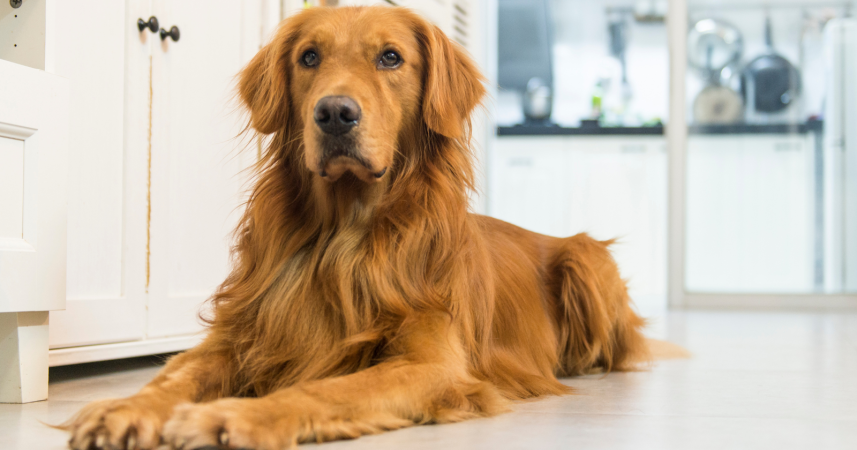
2) Golden retriever
There's a reason Golden Retrievers dominate therapy and service dog work.
These cheerful dogs with their happy faces, wagging tails, and bright eyes bring pure joy wherever they go, forming strong bonds that make them one of the most lovable breeds. But it's not just their sunny disposition that creates deep connections; it's their almost supernatural ability to sense what you need emotionally.
I've watched Golden Retrievers at dog parks, and they have this quality of being completely present with their person. Not distracted by other dogs or smells, but checking in constantly, making sure everything is okay.
The bond with a Golden develops through what I'd call emotional reciprocity. They give you their full attention and affection, and in return, they crave yours. It's not needy; it's partnership.
They're also remarkably patient, which makes them incredible with families. But don't mistake their gentle nature for passivity. Goldens are deeply loyal and will absolutely step up to protect their people if needed.
3) German shepherd
German Shepherds get unfairly labeled as aggressive, but anyone who's actually lived with one knows the truth: they're intensely devoted protectors with hearts that run deeper than most people realize.
They take their role as guardians seriously, often forming an intense attachment to their family members, and their devotion to their owner is unmatched. But this isn't about territorial aggression. It's about genuine care.
What makes the German Shepherd bond unique is its foundation in trust and respect. These dogs are smart enough to make their own decisions, which means when they choose to follow you, it's a conscious choice. They're not blindly obedient; they're willing partners.
I've noticed that German Shepherds are always working, even when they're resting. They're constantly monitoring their environment, keeping track of family members, processing information. This vigilance is how they show love.
The bond strengthens through clear communication and purpose. Give a German Shepherd a job, whether that's formal training or just being your running partner, and you'll earn loyalty that borders on devotion.
4) Cavalier King Charles spaniel
If Labs are velcro dogs, Cavalier King Charles Spaniels are superglue dogs.
They form exceptionally close attachments and love to cuddle, rest their head on their owner's lap, and maintain eye contact, with their gentle temperament making them deeply attuned to their person's emotions. These dogs were literally bred for companionship, developed to be lap dogs for royalty, and they take their job seriously.
What's fascinating about Cavaliers is how they bond through physical proximity and eye contact. They want to be touching you almost constantly, not because they're insecure, but because physical connection is their love language.
I've met people who describe their Cavaliers as emotional support animals without the official designation. These dogs have an uncanny ability to sense distress and respond with quiet presence.
The bond forms quickly and deepens through routine. Cavaliers love predictability and ritual, whether that's your morning coffee routine or evening TV time. They integrate themselves into your daily rhythms until they become an essential part of your life.
Just know that this intensity of attachment can lead to separation anxiety if not managed properly. These aren't dogs who do well being left alone for long periods.
5) Border collie
Border Collies bond through their brains.
Originally bred for herding livestock, they are incredibly in tune with their human handlers, often anticipating their commands and wishes. But it's more than just responsiveness. These dogs study you, learning your patterns, your cues, your preferences.
What sets Border Collies apart is their need for mental partnership. They don't just want to be with you; they want to work with you, solve problems with you, engage in activities that challenge both of you.
I've watched Border Collies at agility courses, and the connection between dog and handler is almost telepathic. These dogs are so focused on their person that they catch the smallest signals—a shift in body weight, a glance, a breath.
The bond develops through shared challenges and consistent interaction. Border Collies need jobs, and those jobs create opportunities for collaboration that deepen attachment. Without sufficient mental stimulation, that intense focus can turn into anxiety.
They're not for everyone, but if you want a dog who will genuinely partner with you on adventures and activities, few breeds match this level of engaged devotion.
6) Australian shepherd
Australian Shepherds take the herding instinct and channel it into protective devotion.
Their strong bond with their owners stems from their instinct to work alongside humans, making them one of the most loyal breeds, as they often form strong attachments to a specific family member. These are dogs who will literally put themselves between you and any perceived threat.
What I find interesting about Aussies is how they bond through activity. They're not content to just exist in your space; they want to participate in your life. Hiking, running, training, playing—any activity becomes an opportunity for connection.
The attachment is selective though. While Aussies can be friendly with others, they typically choose one or two people as "their" humans. Once that bond forms, it's unshakeable.
These dogs are also incredibly perceptive. They pick up on subtle cues and can anticipate your actions, which creates this feeling of being deeply understood. It's like having a companion who always knows what you're about to do next.
The bond strengthens through consistency and adventure. Aussies need both physical exercise and mental challenges, and providing both creates a partnership built on mutual respect and shared experiences.
7) Boxer
Boxers love with their whole bodies.
With their playful spirit and expressive faces, they form strong, affectionate bonds with their owners, showing incredible loyalty and a natural inclination to form close attachments to their human families. These are the dogs who will jump, wiggle, and practically vibrate with excitement when you come home.
What makes Boxer bonds special is their combination of goofiness and protectiveness. They're clowns who will make you laugh daily, but they're also fiercely devoted guardians who take family seriously.
I've seen Boxers with kids, and their patience is remarkable. They seem to understand that little humans need gentle treatment, adjusting their energy accordingly while remaining ever watchful.
The bond forms through play and participation. Boxers want to be involved in everything you do, whether that's yard work, errands, or just hanging out on the couch. They're not background dogs; they're active participants in your life.
Their expressive faces also create a unique communication dynamic. You always know what a Boxer is feeling, and that emotional transparency builds connection.
8) Doberman pinscher
Dobermans get a reputation for being intimidating, but owners know them as sensitive souls wrapped in an athletic package.
These dogs bond through loyalty and protection, creating relationships that feel more like partnerships than pet ownership. When bonded, they check in constantly, leaning into your legs as if to anchor both of you, and they're more emotionally tuned than their intimidating silhouette suggests.
What sets Dobermans apart is their emotional sensitivity combined with their intelligence. They're quick learners who respond well to fair, consistent training, and that responsiveness creates a feedback loop of mutual respect.
The bond deepens through structure and trust. Dobermans need to know the rules and boundaries, and when you provide that framework, they relax into devoted companionship. They're not looking to challenge you; they're looking for clarity so they can be your perfect teammate.
These are velcro dogs who will follow you room to room, not out of insecurity but out of preference. Your presence is their favorite place to be.
9) Yorkshire terrier
Don't let the size fool you. Yorkshire Terriers have massive personalities and even bigger hearts.
Though small in size, they are known for their big personalities and strong attachment to their owners, often choosing one person as their special human and devoting themselves completely to that relationship.
What makes Yorkies interesting is how they bond through constant proximity and attention. These are purse dogs who evolved into companion animals, and they take that role seriously. They want to be with you always, observing everything you do, participating in your activities from their advantageous small-dog perspective.
The attachment can be intense. Yorkies are known for being particularly devoted to their chosen person, sometimes to the exclusion of others. This selectivity makes the bond feel special, like you've been specifically chosen.
They're also surprisingly brave for their size, which creates an interesting dynamic. They'll alert you to everything, protect you from perceived threats (even if those threats are just the mailman), and generally act like they're much larger than they actually are.
10) Vizsla
Vizslas wrote the manual on being velcro dogs.
They're athletic cuddle magnets who prefer all-day, every-day togetherness, positioning themselves to always be near their person. These Hungarian hunting dogs were bred to work closely with their handlers, and they've transferred that collaborative instinct into domestic life.
What makes the Vizsla bond unique is its combination of athleticism and affection. These dogs need serious exercise, but they also need serious cuddle time. They're not satisfied with just being in the same house; they want physical contact and emotional connection throughout the day.
I've heard Vizsla owners describe their dogs as shadows, and that's accurate. These dogs will follow you everywhere, lie against you whenever possible, and generally behave as if separation is physically painful.
The bond forms through shared activity and affection. Vizslas need both intense exercise and quality time, and providing both creates a relationship that feels deeply symbiotic. They're not independent dogs; they're partnership dogs who thrive on togetherness.
Just be prepared for a level of attachment that some people find overwhelming. If you want a dog who will give you space, a Vizsla isn't your breed.
The bottom line
Here's what I've learned from years of observing dogs and their people: breed gives you a foundation, but the bond you build depends on what you bring to the relationship.
These ten breeds have genetic tendencies toward deep attachment, but any dog can form profound connections with the right person. It's about matching energy, meeting needs, and showing up consistently.
My nephew will probably get his dog eventually, and whether it's one of these breeds or a mixed breed from a shelter, the bond will form through attention, routine, and genuine care. That's the real secret.
The dogs on this list just happen to be especially good at it.