
Understanding where these habits came from makes it easier to decide which ones you want to keep, and which ones you’re ready to outgrow.
There’s something incredibly recognizable about a boomer household.
Even if two families lived thousands of miles apart, the rules were surprisingly similar. The structure, the expectations, the routines, the do-this-not-that guidelines, they all shaped the way a lot of us move through the world today.
And the older I get, the more I notice how many of my habits, reactions, and values can be traced straight back to the house I grew up in.
Boomer households had this combination of stability and rigidity that left a real imprint.
Some of it helped us become resilient, responsible adults. Some of it made us a little anxious or overly independent. But either way, these rules didn’t just teach us how to behave. They shaped our internal wiring.
Here are eight big ones that stuck with a lot of us.
1) “If someone calls, you answer the phone”
Before smartphones, before texting, before caller ID, the rule was simple.
The phone rang, and you answered it. Boomers treated the house phone like a sacred object. It didn’t matter what you were doing. It didn’t matter if you were mid-bite at dinner. If it rang, you jumped.
The psychology behind this rule shows up in adulthood. A lot of us still feel oddly obligated to respond immediately when someone reaches out. We feel guilty waiting. We worry about seeming rude, even though modern communication works differently.
I still catch myself instinctively reaching for my phone the second it lights up, even when I don’t actually want to be interrupted. That reflex started decades ago.
2) “You eat what’s served, no exceptions”
Food rules in boomer homes were firm. You ate what was put in front of you. No separate meals. No negotiations. No substitutions. If you didn’t like dinner, you ate it anyway or sat there until you did.
This rule produced two types of adults. The ones who will eat anything without complaining, and the ones who struggle to recognize their own preferences because they weren’t allowed to have any.
I see this a lot when talking to friends about diet choices. The guilt around “wasting food,” or leaving something on a plate, runs deep.
Growing up vegan now, I sometimes think about how different things feel compared to that era. There’s more choice, more autonomy, more awareness. But those old food rules shaped more of our eating habits than we realize.
3) “Feelings are fine, but keep them under control”
Boomer households weren’t emotionless, but emotional expression had limits. You could be upset, but not too upset. You could be frustrated, but don’t make a scene. You could be sad, but don’t cry too loudly. It was all meant to keep things orderly.
The result? A lot of adults today instinctively suppress their feelings without thinking about it. It’s not intentional. It’s muscle memory. Emotional containment was praised. Emotional vulnerability wasn’t something people modeled consistently.
This is one reason mindfulness hit me so hard when I first discovered it. It pushed me to actually feel instead of manage. And that was new territory.
4) “You respect authority without debate”
Boomer households had a clear hierarchy. Parents were in charge. Teachers were right. Bosses were respected. You didn’t challenge authority unless something was seriously wrong. And even then, you did it carefully.
This created a generation of adults who sometimes struggle to speak up, even when they want to. That default respect can turn into hesitation. I’ve caught myself holding back opinions simply because I was trained to avoid “talking back.”
The irony is that workplaces today value assertiveness and initiative, skills a lot of us had to learn later, not inherit from childhood.
5) “Work comes before everything else”
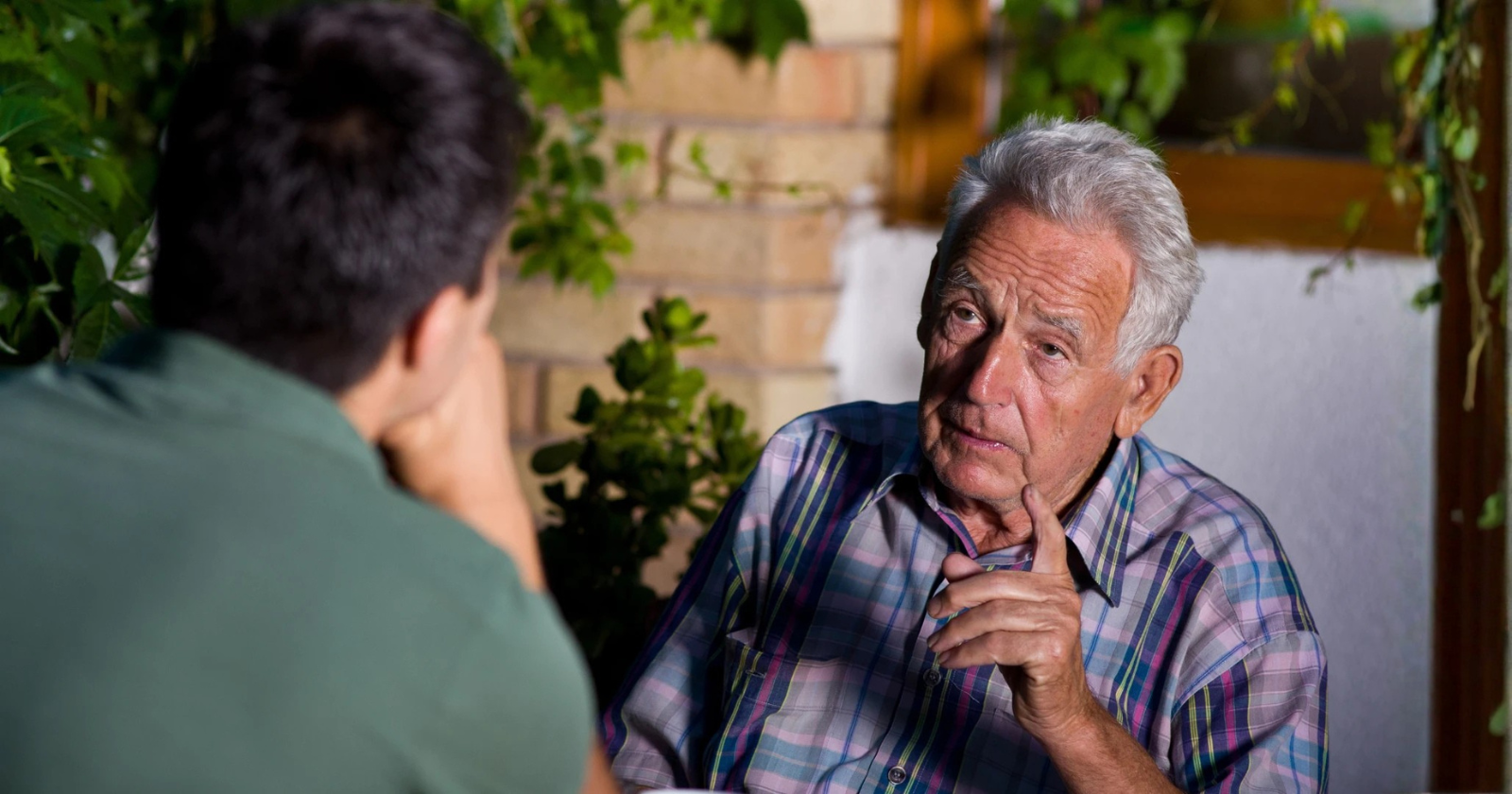
Boomer families built entire identities around hard work. You finished your chores before you relaxed. Homework came before play. Productivity was a moral value, not just a practical one.
This rule shaped an entire generation of adults who feel uncomfortable resting, even when they’re exhausted. You push through. You stay busy. You keep going because idle time feels indulgent or suspicious.
I deal with this too. Even as a writer who studies human behavior, I sometimes find myself working on a Sunday simply because that old rule still lingers somewhere in my brain.
Work first. Relax later. It stays with you.
6) “Privacy exists, but only to a point”
You could close your bedroom door in a boomer household, but that didn’t necessarily guarantee privacy. Parents could walk in. Relatives could comment on what you were doing. Personal space existed, but it was thin.
This is why so many adults who grew up in these homes value boundaries almost fiercely. Locks, personal time, emotional autonomy: these feel essential because many of us didn’t grow up with a ton of it.
For me, this is one habit that shows up in how I approach relationships. I’m open, but I’m very protective of my internal world. That’s a boomer-household inheritance.
7) “You don’t make life harder for other people”
Boomer households had a massive focus on being considerate, often to the point of self-sacrifice. You didn’t inconvenience anyone. You didn’t ask for special treatment. You didn’t bring drama into shared spaces.
This turned into a kind of default self-reliance.
A lot of us became adults who minimize our needs, avoid asking for support, and pride ourselves on not being a burden. Psychologists call this “hyper-independence,” and it’s common in people who were raised to stay out of the way.
It creates competent adults, yes, but also adults who often struggle to accept help even when they truly need it.
8) “Family comes first, even when it’s complicated”
Boomer households put huge emphasis on family loyalty. You showed up. You helped. You stayed connected, no matter how messy things were. There was no option to step back or set boundaries. Family unity mattered more than personal comfort.
This shaped a lot of adults into people who stay longer in situations than they should. They tolerate more than they want to. They hold onto relationships out of duty instead of alignment.
But it also built a sense of responsibility and care that shows up in how many of us treat friends, partners, and communities today. Even when the rule created pressure, it also created commitment.
Final words
Boomer households weren’t perfect, but they weren’t without value. They shaped people who work hard, care deeply, adapt well, and take responsibility seriously. They also left marks that many of us are still working through.
Either way, those old rules didn’t just fade with time. They helped build the internal framework a lot of us still carry.
Understanding where these habits came from makes it easier to decide which ones you want to keep, and which ones you’re ready to outgrow.
What’s Your Plant-Powered Archetype?
Ever wonder what your everyday habits say about your deeper purpose—and how they ripple out to impact the planet?
This 90-second quiz reveals the plant-powered role you’re here to play, and the tiny shift that makes it even more powerful.
12 fun questions. Instant results. Surprisingly accurate.