Low-key elegance isn’t about perfection, budget, or having a designer’s eye. It’s about choosing things that make your home feel grounded, comfortable, and quietly elevated.
Ever walk into someone’s place and immediately feel calmer, even before you take your shoes off? There’s nothing flashy in sight, nothing staged, nothing trying to impress you.
Yet the space feels intentional. Comfortable. Elevated in a subtle way you can’t quite put your finger on.
I’ve noticed this over and over, especially after spending most of my twenties working in luxury hospitality. You start to realize that elegance has almost nothing to do with price and everything to do with choices.
Small choices. Thoughtful ones. The kind that quietly improve the atmosphere without drawing attention to themselves.
And the fascinating part? People who naturally lean toward this kind of understated style usually keep a few things in their homes that create that feeling without much effort.
Today, I want to walk you through seven of those things.
Let’s get into it.
1) Quality lighting that doesn’t shout for attention
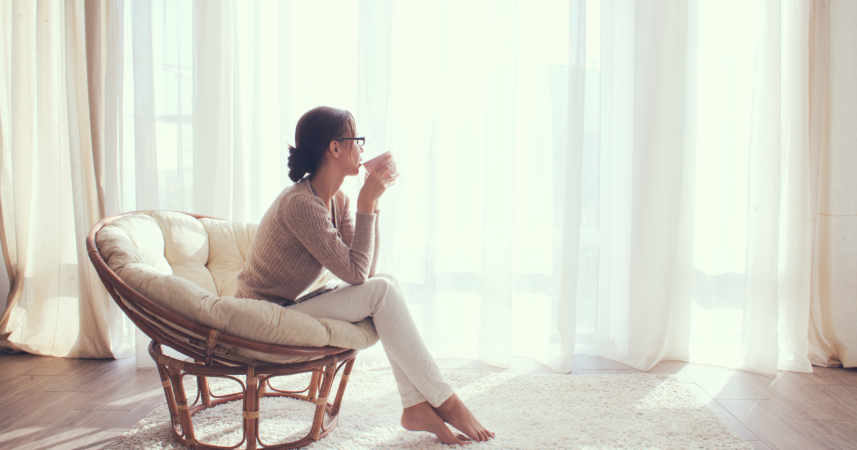
The most elegant homes I’ve been in all have one thing in common: the lighting is soft, layered, and warm.
There are no harsh overheads blinding you the moment you walk in. Instead, there are table lamps, floor lamps, warm bulbs, and the occasional well-placed candle.
Have you ever eaten at a restaurant where the lighting alone made you want to sit a little longer? That’s not an accident. Lighting shapes mood faster than furniture ever could. I learned that early in the F&B world, where ambiance matters as much as the food.
In homes with subtle elegance, lighting feels like an invitation. It pulls you in without trying to impress you. It makes you comfortable enough to stay for another glass of wine or linger in a conversation a bit longer.
2) Simple but high-quality textiles
Walk into an elegant space and you’ll almost always find good textiles. Not necessarily expensive ones, but thoughtful ones. Soft throws. Linen napkins. A well-made rug. Cushions that actually feel comfortable when you lean into them.
There’s something quietly luxurious about quality fabric. It signals care without saying a word. It also makes a room feel warmer and more lived-in, which is the opposite of the cold, minimalist spaces you sometimes see online.
For me, it’s the rug test. If the rug feels good under bare feet or adds dimension to the room, the whole space feels more refined. It’s one of the easiest ways to upgrade a home without changing anything else.
3) A signature scent that feels natural, not overwhelming
Have you ever walked into someone’s home and recognized the scent before you even saw them?
Not in a perfume-cloud kind of way, but in a subtle, welcoming way. Maybe it’s fresh basil from their kitchen. Maybe it’s cedar from their furniture. Maybe it’s a candle that always burns in the background.
People with low-key elegance understand something important: scent shapes memory. When I worked in hospitality, we used specific aromas in different rooms because we knew guests would associate that smell with the experience. Homes are no different.
The best scents are soft. Herbal. Woody. Clean. They’re never artificial or overpowering. They simply exist in the air, making the space feel grounded and inviting.
4) Thoughtful storage that keeps visual noise out of sight
Elegance isn’t just what you see. It’s what you don’t see. And in low-key elegant homes, clutter rarely makes an appearance because everything has a place to go.
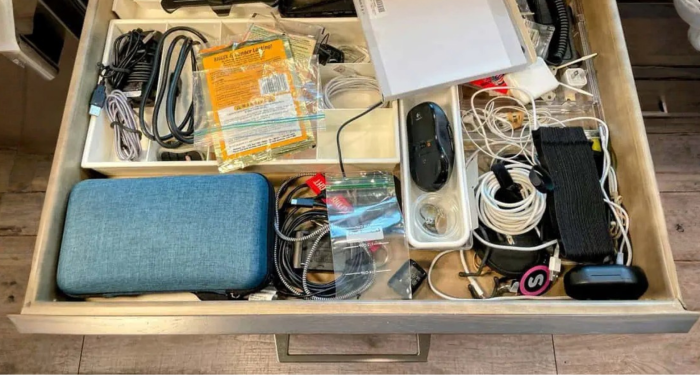
I’m not talking about hyper-organized Pinterest perfection. I’m talking about functional simplicity. Closed cabinets. Clean surfaces. A basket by the door. A drawer for the things that usually get scattered around the house.
When you remove unnecessary visual noise, even a small home feels more elevated. It allows the few intentionally chosen objects to stand out instead of competing for attention.
And honestly, it makes daily life easier. I’ve noticed that the people with the calmest homes tend to be the people who give their stuff somewhere to live.
5) Real materials that age well
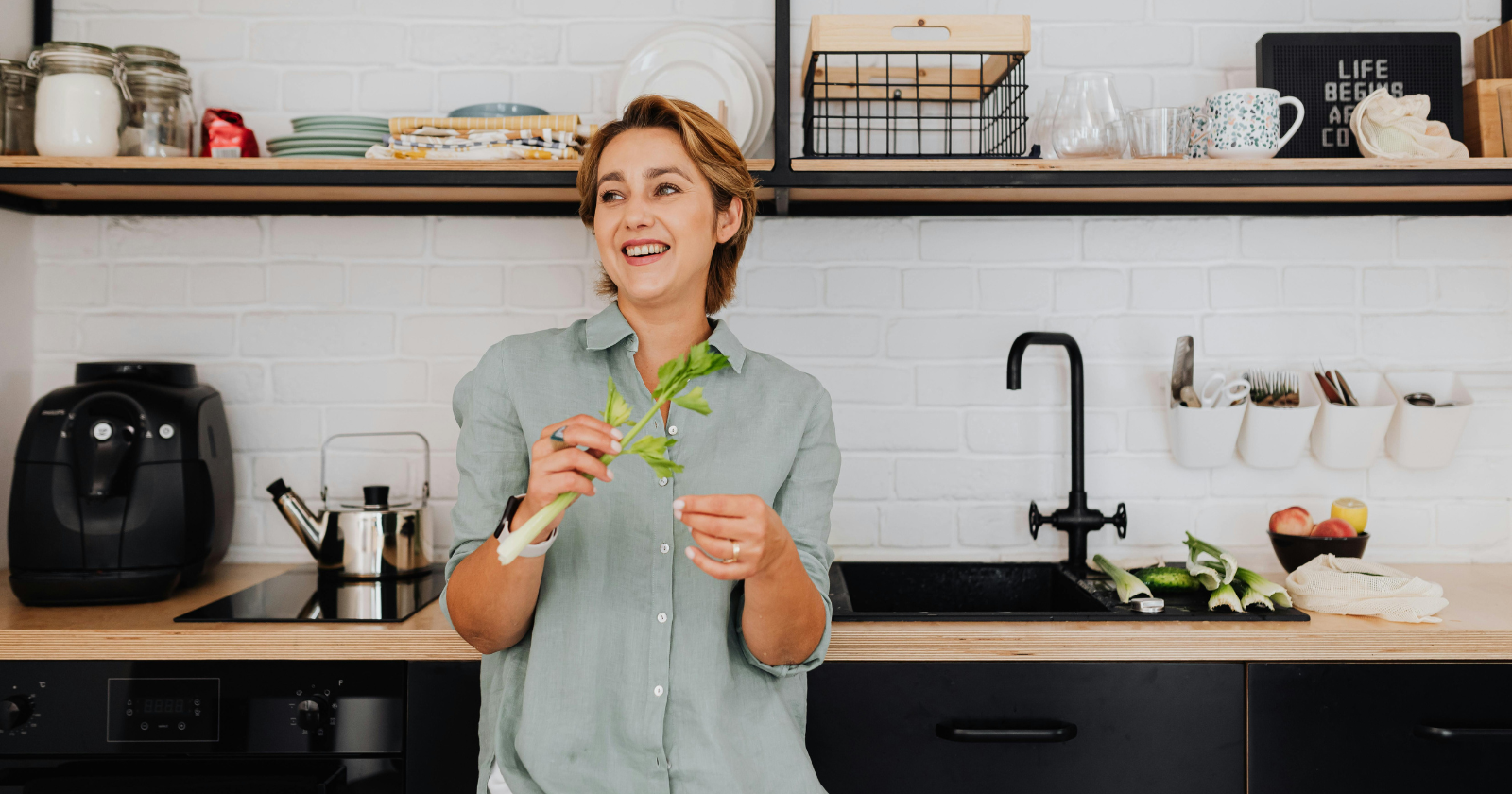
One of the biggest lessons I learned in luxury dining is that authenticity has a texture. Real wood. Real stone. Real glass. Real metal. These materials don’t just look good. They feel good. They age well. They gain character over time.
Homes with low-key elegance avoid overly glossy finishes or cheap imitations. Instead, they choose materials that stand the test of time.
A wooden table with scratches that tell stories. A cast iron pan that’s been seasoned through years of cooking. A ceramic bowl that was handmade, even if it’s slightly imperfect.
There’s something human about natural materials. They soften a space and make it feel deeply lived-in without sacrificing refinement.
6) Books that reflect curiosity, not decoration
You can always tell a lot about someone by the books in their home. And people with quiet elegance tend to have shelves that reflect genuine curiosity rather than aesthetics.
I’m talking about books that look read. Books they reference. Books they lend out. Books on food, psychology, travel, finance, philosophy, design. Books with dog-eared pages and notes in the margins.
There’s something magnetic about walking into a home where the books feel like part of the person. It adds warmth. It adds depth. And it makes the home feel more intentional and grounded.
People with this type of elegance read widely because it’s part of who they are. The books just happen to be there as proof.
7) Pieces with personal meaning
As the last point, this is the one I think makes the biggest difference. Every elegant home I’ve walked into has at least one meaningful object that tells a story.
Maybe it’s art they picked up while traveling. Maybe it’s a vintage piece passed down by family. Maybe it's a print they bought from an artist who inspired them.
These pieces don’t need to match the rest of the home. They don’t need to be expensive. They simply need to matter.
I remember staying in a friend’s apartment in Lisbon, and the most beautiful part of the whole place was a small hand-carved wooden box on her shelf. It wasn’t fancy. It wasn’t decorative.
It was a reminder of her grandfather, and you could feel the meaning in the way she talked about it.
That’s the thing. Homes with true elegance aren’t built from trends. They’re built from intention. And pieces with stories beat any catalog purchase.
Final thoughts
Low-key elegance isn’t about perfection, budget, or having a designer’s eye. It’s about choosing things that make your home feel grounded, comfortable, and quietly elevated.
If you want to create a space that feels calm and refined, choose things that make your life easier, your routines smoother, and your environment warmer. You don’t need a huge overhaul. Just a few intentional changes can shift the whole energy of a room.
At the end of the day, elegance isn’t a style. It’s a feeling. And you get to decide what that looks like in your own home.
If You Were a Healing Herb, Which Would You Be?
Each herb holds a unique kind of magic — soothing, awakening, grounding, or clarifying.
This 9-question quiz reveals the healing plant that mirrors your energy right now and what it says about your natural rhythm.
✨ Instant results. Deeply insightful.