Big transformations usually come from boring consistency, and you just need a few small choices that keep you steady.
There’s this weird myth that “elegance” is something you’re born with.
Like it’s genetic, you either glide through life in cashmere and calm, or you’re doomed to eat over the sink forever.
However, after spending my 20s in luxury food and beverage, watching what actually separates the graceful from the frazzled, I can tell you this: It’s about choices.
The small ones you make on a random Tuesday when nobody’s watching; the ones that shape your mood, your health, your relationships, and yes, your vibe.
Here are seven tiny lifestyle choices that quietly stack into something bigger:
1) Upgrade one daily meal on purpose
Most people treat meals like a pit stop: Shovel, scroll, and repeat.
One of the easiest ways to feel more put-together is to pick just one meal a day and make it intentional.
For me, that’s usually breakfast or dinner.
It can be as simple as using a real plate.
Slicing fruit instead of eating it out of a container, adding fresh herbs to something basic, drizzling good olive oil over a bowl of beans, and sitting down even if it’s only for ten minutes.
In restaurants, we called it respect.
At home, the “guest” is you.
When you eat like you respect yourself, your whole day subtly shifts.
You snack less mindlessly, crave better food, and feel less like you’re barely holding it together.
If you want a practical rule: elevate one meal with color, texture, and protein.
Greens plus something hearty plus something that tastes like you actually tried.
2) Keep your kitchen stocked like a calm person lives there
Ever notice how your worst food choices happen when you’re hungry and your kitchen looks like a crime scene?
Elegance is often just preparation with good lighting.
A calm kitchen means you have a few dependable things that make feeding yourself feel easy and slightly luxurious.
My non-negotiables include the following:
- A solid salt you like using.
- A decent olive oil.
- Lemons.
- Garlic.
- Eggs or tofu.
- A couple of frozen staples you can throw into anything.
- Something crunchy for salads or bowls.
- At least one “I can eat this anytime” meal you can make half-asleep.
The goal is to reduce the number of moments where you stand in front of the fridge thinking, “There is literally nothing to eat,” while staring at six sauces and a sad bag of spinach.
This is the grown-up version of having your life together.
Also, you don’t need a full pantry makeover.
Start with one shelf and make it your “easy wins” zone.
When your default options are decent, your whole week gets smoother.
3) Take a ten-minute walk after your biggest meal
I know, walking sounds too simple to be life-changing.
Yet, I’ve seen it over and over: People who move a little after they eat tend to feel better in their bodies and less chaotic in their heads.
Ten minutes, and that’s it.
Just walk around the block, call a friend, listen to a podcast, or do the most underrated thing in modern life: Be alone with your thoughts without doomscrolling.
There’s also something quietly elegant about not collapsing immediately after dinner because you’re choosing a rhythm that supports you.
4) Eat slower than your phone wants you to
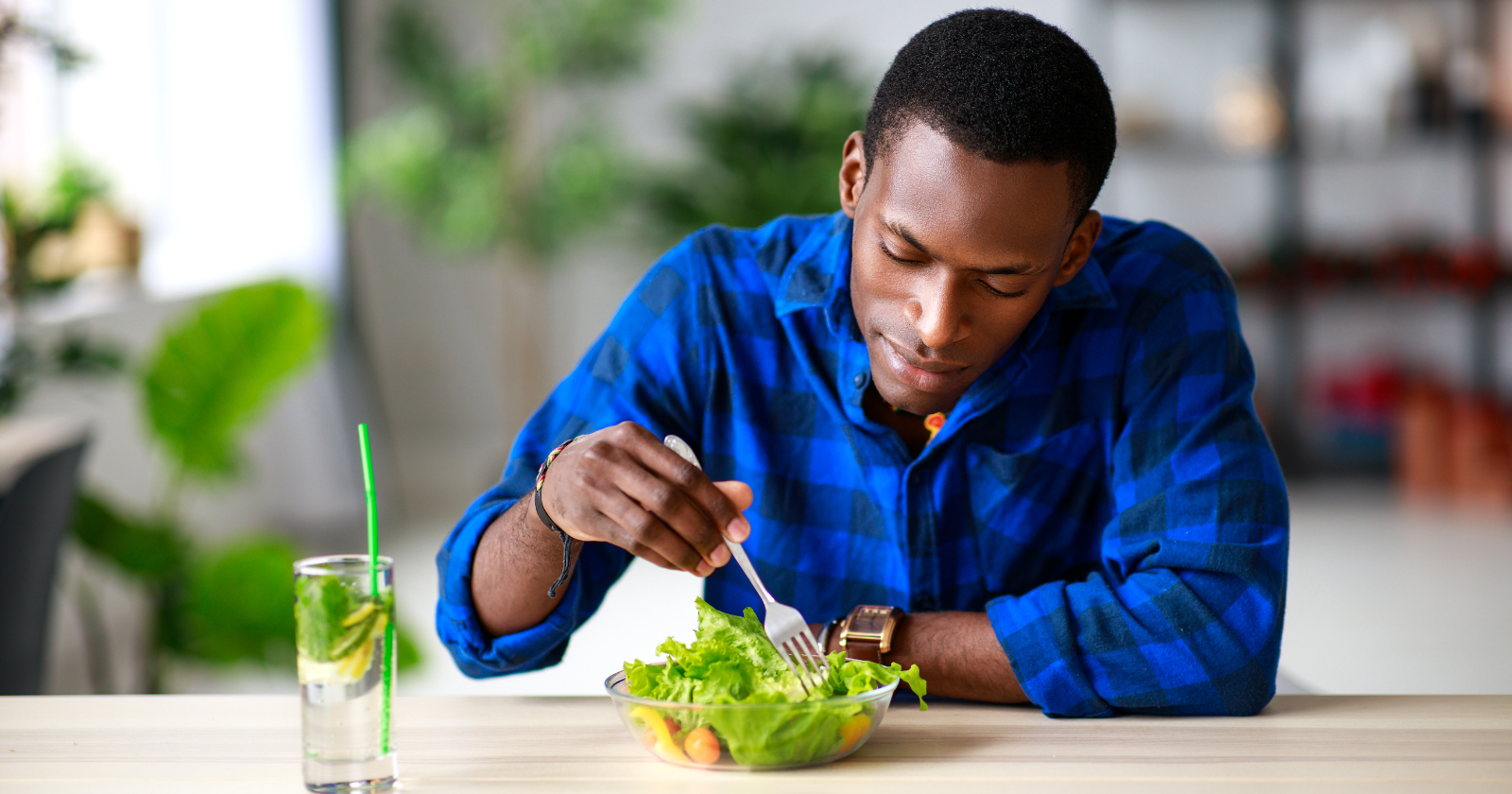
Let me guess: You’ve eaten an entire meal while staring at a screen and then genuinely couldn’t remember how it tasted.
I’ve done it too. plenty, but if you want more happiness with the same food, slow down.
In hospitality, pacing is everything.
You don’t slam courses on the table like you’re feeding someone in a hurry; you create space, and you let people enjoy.
You can do the same thing for yourself in a very normal apartment on a very normal night.
Try this: Put your phone out of reach for the first five minutes, take a sip of water before your first bite, and chew until the food is actually food.
Notice one thing you like about it, like the acidity, the crunch, or the warmth.
You’re just giving your brain the chance to register pleasure and, when you regularly experience real pleasure from simple things, you start chasing less fake pleasure from chaotic things.
5) Create one tiny “signature” ritual you can repeat anywhere
Rituals are underrated because they sound dramatic, like you need incense and a morning routine that takes 90 minutes.
You don’t, because a signature ritual is just a small habit that tells your nervous system, “We’re good.”
Mine is a simple drink routine: Water first then coffee or tea made properly.
Sometimes it’s a pour-over, espresso, or just a strong tea with milk.
However, I make it with intention even when I’m traveling or when I’m busy.
Here’s the truth, though: Your days don’t feel elegant when they’re all urgency and zero anchors.
A ritual is an anchor.
If drinks aren’t your thing, make it something else:
- A short stretch after brushing your teeth.
- Lighting a candle at dinner.
- Putting on one song while you reset your space.
- Reading ten pages before bed.
You want something small enough that you can’t talk yourself out of it.
Over time, your brain starts to associate that ritual with stability, and stability is very attractive.
6) Choose “clean inputs” for your mind at least once a day
We talk about clean eating like it’s the only thing that matters.
Meanwhile, people are feeding their brains a steady diet of outrage, anxiety, and content that makes them feel behind in life.
If you want to feel happier, one of the most elegant choices you can make is to protect your attention.
Pick a short window where you don’t consume junk and replace it with something that builds you instead of draining you, such as a chapter of nonfiction, a long-form article, a walk with no headphones, or a conversation where you actually listen.
One idea I stole from Cal Newport’s work: Treat attention like a valuable resource.
You don’t have to quit social media or become a digital hermit, but you do need moments where your brain can breathe.
Those moments add up fast.
7) Make your evenings feel like a soft landing, not a second shift
A lot of people end their day the same way they spend it: Overstimulated, behind, and slightly annoyed.
Afterwards, they wonder why they’re exhausted.
Finally, if you want a lifestyle that feels both happier and more refined, start treating your evening like a landing.
This is about one or two choices that signal closure:
- A lighter dinner a few hours before bed.
- A quick reset of the kitchen so you don’t wake up to mess.
- Dimmer lights.
- Phone on charge outside the bed, if you’re brave.
- A few pages of reading.
- A shower that isn’t rushed.
I’m saying you should stop letting your day drag you into bed like it’s a finish line.
In restaurants, the close matters as you clean, you reset, and you leave the space ready for tomorrow.
Your home deserves that same energy, and you deserve the feeling of waking up without instantly regretting last night’s chaos.
Closing thoughts
If you read these and thought, “This all sounds almost too simple,” that’s kind of the point.
Big transformations usually come from boring consistency:
- A plate instead of a container.
- A stocked kitchen instead of panic snacks.
- A ten-minute walk instead of another episode.
- A ritual that anchors you.
- An evening that closes the loop.
You just need a few small choices that keep you steady.
So, pick one, try it for a week, and pay attention to what happens when you start living like you’re worth a little care.
What’s Your Plant-Powered Archetype?
Ever wonder what your everyday habits say about your deeper purpose—and how they ripple out to impact the planet?
This 90-second quiz reveals the plant-powered role you’re here to play, and the tiny shift that makes it even more powerful.
12 fun questions. Instant results. Surprisingly accurate.