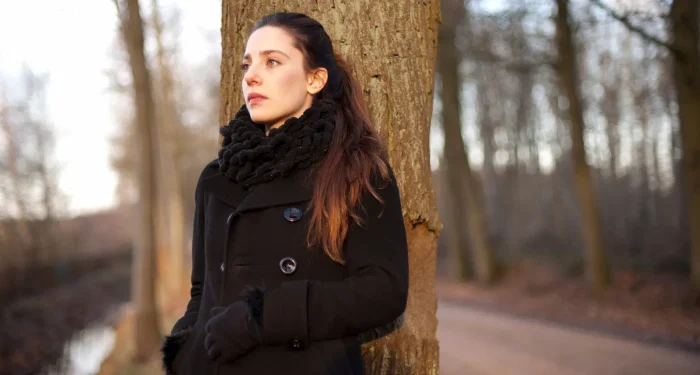
We all have subtle habits that protect us from being truly seen. From keeping conversations shallow to staying constantly busy, these small behaviors reveal far more about our fears than we realize.

Add VegOut to your Google News feed. 
You can tell a lot about a person by the tiny things they do every day, especially the behaviors they don’t think anyone notices.
Most of us walk around believing we’re pretty open, but the truth is that many of our habits quietly reveal how guarded we really are.
For years, I thought I was an open book.
I worked in luxury hospitality, spent my days talking to strangers about Pinot Noir and dry-aged steaks, and could charm an entire dining room without breaking a sweat.
But genuine openness is different from being socially skilled, and I didn’t understand the difference until much later.
When you’re afraid of being truly seen, it shows up in small, subtle ways.
Not dramatic breakdowns or obvious avoidance, but tiny patterns that protect you from vulnerability.
These habits are quiet, but they add up, and if you’re not aware of them, they can keep you disconnected from the people you care about the most.
Here are seven daily behaviors that might be revealing a fear you didn’t even know you had.
1) You keep conversations safe and surface-level
You can talk to people all day and still feel deeply unseen by the time you get home. I know that feeling well because I used to live in it.
I’d spend hours chatting with guests about their favorite restaurants in Paris or which oyster variety tasted the briniest, but when conversations shifted toward emotions, dreams, or anything that resembled real intimacy, I’d quickly redirect.
Surface-level conversations feel easier because they require zero risk.
You can’t get hurt if you never share anything meaningful. You can’t be rejected for who you really are if you only present the polished version.
When someone asks how you’re doing, and you answer with something safe like “I’m good, just busy,” even when you’re exhausted or overwhelmed, you’re not lying.
You’re protecting yourself. The problem is that protection comes at a cost, and that cost is connection.
2) You overthink how people interpret your words, messages, and behavior
If you’ve ever replayed a harmless comment in your head all afternoon, wondering if it came across the wrong way, this one might hit home.
Overthinking is often a way of managing fear, especially the fear of being misunderstood or judged.
I used to rewrite text messages multiple times before hitting send.
It wasn’t because the content mattered that much, but because I was terrified of being perceived incorrectly.
When you’re constantly editing yourself, you stop acting from authenticity and start acting from anxiety.
You’re not expressing who you are. You’re performing a version of yourself you think is safest.
I once read in a psychology book that chronic overthinking is less about perfectionism and more about self-protection. That made sense to me.
When you’re scared of being fully known, you obsess over how you present yourself in the hope that no one will see something you’re not ready to reveal.
3) You deflect compliments instead of receiving them
People who struggle with being seen often struggle with being appreciated, too. When someone compliments you, they’re not just noticing something about you.
They’re acknowledging it. They’re saying, “I see this in you,” and that can feel uncomfortable when you’ve spent years hiding parts of yourself.
Back in my restaurant days, I worked alongside a pastry chef who made the kind of desserts that could silence a room.
Delicate tarts, intricate mousses, handmade pâte à choux—all flawless. Yet every time someone praised him, he’d shrug it off or change the subject.
One night I asked him why he always brushed off compliments, and he told me he never wanted people to expect too much from him. “Expectations make it harder to hide,” he said.
That hit me like a punch to the gut. Compliment deflection isn’t humility. It’s fear. It’s the belief that if people look too closely, they’ll find something wrong.
When you can’t accept someone’s kind words, it’s often because the identity they’re reflecting back doesn’t match the one you’ve secretly been holding onto.
4) You stay busy to avoid uncomfortable emotions

Being busy feels productive, but sometimes productivity is a mask. It’s a distraction from everything you don’t want to feel.
When you’re constantly stacking your schedule—errands, workouts, chores, hobbies, projects—it’s easy to convince yourself you’re disciplined and driven.
But if you slowed down long enough to sit with yourself, what would come up?
For a long time, I filled every hour of my day. If I wasn’t working, I was reading. If I wasn’t reading, I was meal prepping or squeezing in an extra gym session.
I thought I was building discipline, but really, I was avoiding emotional stillness. Stillness forces honesty. And honesty forces vulnerability.
Sometimes the most telling sign that you’re afraid of being truly seen is that you won’t even allow yourself to see yourself.
5) You use humor to shield your deeper feelings
I love humor. It’s one of the best spices in life, right up there with Maldon salt and a good chimichurri.
But humor can also be a shield. When you make jokes about your insecurities before anyone else can comment on them, you stay in control.
People can’t hurt you with something you’ve already turned into a punchline.
There’s a certain kind of self-deprecating humor that looks harmless but actually reveals a fear of vulnerability.
If you habitually make jokes about your flaws, your body, your habits, or your emotional struggles, ask yourself why.
Are you laughing because it’s genuinely funny, or because it’s safer than being honest?
I remember reading Brené Brown’s take on vulnerability in one of her books, where she said that avoiding vulnerability is like engineering smallness in your life.
That hit hard. When humor becomes a defense mechanism, you’re not connecting with people. You’re performing for them.
Real connection requires drop-the-act honesty, and that’s scary when you’re used to hiding behind a smile.
6) You avoid asking for help, even when you’re overwhelmed
Independence is one thing. Isolation is another. A lot of people who fear being seen confuse the two.
When you never ask for help, what you’re really saying is, “I don’t want anyone to see me struggling.”
I met a café owner in Bali a few years ago who built everything himself, from the wooden tables to the menu layout.
When I asked if he’d ever consider hiring help, he laughed and said, “I don’t want people to see the mess behind the scenes.” I didn’t realize until later how deeply relatable that was.
When you refuse help, you maintain control. You keep your imperfections hidden. But you also keep yourself exhausted, lonely, and disconnected.
Letting someone help you is one of the simplest but scariest ways of letting yourself be seen. It means admitting you don’t have it all together.
It means trusting someone with the parts of yourself you’d rather keep quiet. And it means letting connection win over control.
7) You choose relationships where you don’t have to show your real self
Finally, one of the biggest indicators of a fear of being seen is the kind of relationships you choose.
Some relationships are convenient because they don’t require depth.
They don’t ask questions. They don’t challenge you. They don’t get close enough to see the cracks.
If you gravitate toward friendships or romantic partners who never expect real vulnerability, it’s worth asking why.
Is it comfort, or is it fear? I’ve stayed in relationships like that before, not because they were fulfilling, but because they were safe.
Safe from challenge, safe from exposure, safe from change.
But safety isn’t the same thing as intimacy. When you only show a curated version of yourself, you end up feeling lonelier than if you were alone.
Sometimes the people you choose reveal the parts of yourself you’re still avoiding.
The bottom line
If you recognized yourself in any of these behaviors, you’re not alone.
Most of us learn these habits as a way of protecting ourselves from early experiences where vulnerability felt dangerous.
These patterns are adaptive at first, but they eventually start working against you, especially when you want deeper relationships or a more honest connection with yourself.
The goal isn’t to dismantle all your defenses overnight. That would feel overwhelming and unrealistic. The real growth starts with awareness.
When you understand why you do the things you do, you create the space to choose differently.
You can soften a little. You can let one or two people in. You can practice telling the truth, even when it feels uncomfortable.
Being seen doesn’t require perfection. It just requires honesty and a willingness to open the door, even if just a few inches at first.
And when you do, you might be surprised at how much lighter everything feels.
If any part of this resonated, take it as a sign that you’re already closer to being seen than you think.