Fast furniture, fake plants, harsh light—once you’ve lived with better, you never go back.
I asked a handful of decorators a simple question: what’s the one thing you’d never buy again—and what would you choose instead?
The answers were surprisingly aligned.
Different homes, different budgets, same core idea: buy fewer, smarter, kinder things that actually support how you live.
Here’s the shortlist I wish I had years ago.
1. Fast furniture
I’ve been there—late twenties, tiny apartment, weekend delivery, done. Then the bookshelf bowed like a hammock after three months.
Decorators told me fast furniture rarely survives a move, let alone daily life.
The replacement? Solid, repairable pieces. That doesn’t mean pricey showroom finds. It means secondhand wood dressers, vintage tables with real joinery, and newer brands offering spare parts.
The rule is simple: if you can’t tighten it, refinish it, or pass it on, skip it.
As designer Vivienne Westwood put it, “Buy less, choose well, make it last.” That line rings in my ears whenever I’m tempted by a too-good-to-be-true deal.
2. Oversized sectionals
How many living rooms have you seen where the sofa looks like it’s about to file a claim for squatter’s rights?
Decorators regret the mega-sectional because it dictates the room, blocks pathways, and limits gatherings to one monolithic seating blob.
The smarter swap is modular seating. Two smaller sofas facing each other. A sofa plus two lounge chairs. A chaise you can detach when friends are over. Modular is optionality.
It’s also how you future-proof for the next apartment or the next family phase.
3. Matching sets
Bedroom-in-a-box, living-room-in-a-cart—matching sets promise cohesion, then deliver sameness.
Decorators say it flattens personality and actually dates faster than mixing.
The replacement is a curated mix—similar tones, varied textures, complementary styles. Oak with matte black. Linen with recycled PET performance fabric. Heirloom wood next to a clean-lined lamp.
I like to think of it like a playlist, not a single album on repeat. Or as William Morris advised, “Have nothing in your houses that you do not know to be useful, or believe to be beautiful.”
4. Faux plants
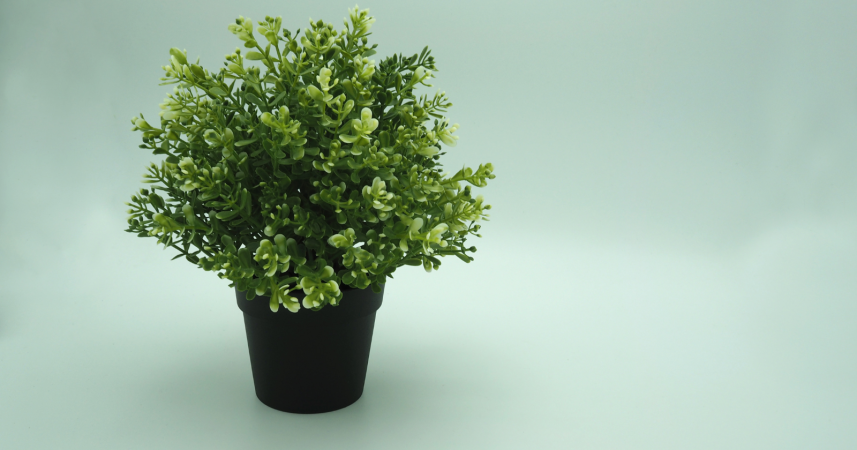
I used to keep a fake fiddle leaf by the door, and it looked tired on day two.
Dust collects, the color reads off, and at some point your brain clocks it as plastic. Decorators say skip the faux and add real life.
The swap: hardy, low-care greens or kitchen herbs you’ll actually use. If your light is tricky, try a single dramatic branch in water, a bowl of citrus, or dried botanicals (not brittle craft-store stems—look for preserved options that last and still read organic).
Bonus: live plants cue micro-rituals—watering, pruning—that anchor your week.
5. Flimsy rugs
The bargain rug that wrinkles, sheds dye, and feels like a gym mat? Decorators regret it every time because it cheapens a whole room.
Choose durable, easy-to-clean options that align with your values. Recycled PET flatweaves are shockingly soft and hoseable. Chunky jute or cotton kilims bring warmth and texture.
Size up so your front furniture legs sit on the rug; undersized rugs make spaces feel smaller, not larger.
6. Harsh lighting
Ceiling cans set to airport-runway brightness are an across-the-board regret. Light has psychology baked in: it nudges mood, pace, even conversations.
The switch is layered, dimmable LED everywhere.
Ambient (ceiling or wall), task (desk, reading), and accent (sconces, art lights). Warm the color temperature at night. Add a dimmer to anything that stays on more than an hour.
I’ve mentioned this before but lighting is the single cheapest way to make a room feel expensive—because it makes people look and feel good.
7. Plastic storage
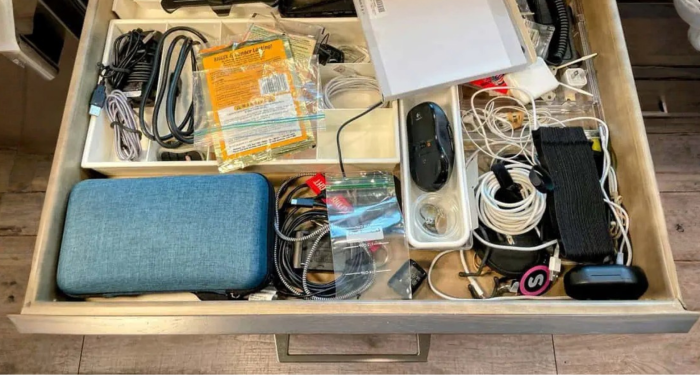
Clear plastic bins in a living room read “moving day forever.” Decorators would rather you store less or hide it better.
Trade them for built-ins, closed cabinets, or lidded woven baskets with liners so the texture doesn’t snag fabric.
In kids’ rooms and entryways, a grid of cubbies with fabric bins tames chaos without visual noise.
The meta yes/no test I use: if a photographer popped by, would I leave those containers out?
8. Removable wallpaper
Decorators have a love–regret relationship here. Peelable paper looks great for six weeks and then lifts at corners, especially in humidity. Pattern matching on long walls becomes a DIY endurance sport.
The upgrade is real paper (or fabric) installed right, or simply great paint.
If you rent, paint one wall a saturated shade and leave the rest soft; it’s easier to patch and easier to love. Sample boards save lives (and deposits).
Go low- or zero-VOC for indoor air quality.
9. Microfiber upholstery
Those “miracle” sofas that repel everything also trap body oil and can pill into fuzz town. Decorators are moving away from shiny microfiber and toward breathable, durable textiles that clean up well.
Look for woven performance fabrics made from recycled fibers, tight weaves in tweed or basketweave, or slipcovered sofas in machine-washable cotton-linen blends.
Slipcovers are basically a second chance policy for your furniture—wash, swap, refresh.
10. Generic art
Mass-printed word art and the same three abstract canvases everyone found on page one feel safe… until they feel empty.
Decorators would rather see a single meaningful piece than a wall of placeholders.
The replacement is personal and local. Frame your own photography (I’m always chasing evening light with a prime lens), commission a small work from a neighborhood artist, or thrift a vintage landscape and reframe it cleanly.
Gallery walls work best when they grow slowly. As Marie Kondo says, “Keep only those things that speak to your heart.”
11. Disposable side tables
That tiny wobbly table that can’t hold a book, a mug, and your phone is on the “never again” list. It fails the job-to-be-done test.
Swap it for a sturdy pedestal or a drum table with storage. Measure your seating arm height and choose a table that meets it.
Heavy matters—weight keeps tables from skating across rugs every time you reach for water.
12. Trend-chasing accents
Chevron, rose gold everything, “Live Laugh Love”—we’ve all had our eras. Decorators regret buying trends as permanent fixtures.
The better path is to keep the big bones calm and express personality through textiles and smaller decor that you can rotate: pillows, throws, tabletop vessels, lamp shades.
Texture over typography, palette over pattern-frenzy. When in doubt, ask: will I still like this after a long weekend away?
13. Single-purpose gadgets
From novelty coat racks to clunky wine bars, one-note pieces hog space and age out fast. Decorators would rather you choose workhorses.
Trade them for flexible staples: a narrow console that moonlights as a desk, ottomans with hidden storage, nesting tables that expand for game night.
Multi-use pieces reduce clutter and increase options—two wins for the price of one footprint.
14. High-maintenance countertops
If you’ve ever babied a surface more than a puppy, you know the feeling. Decorators regret porous, stain-prone counters that demand constant sealing and specific cleaners.
The swap is durable, low-fuss materials: quartz composites, resilient laminates with honest textures, stainless in heavy-use zones.
I’ve cooked in tiny Paris rentals and big California kitchens; the winners don’t shout—they work.
15. Overstuffed bookcases
This one hits close: I’m a nonfiction hoarder with a soft spot for behavioral science. But a wall of spines can drift from cozy to claustrophobic fast.
Editors recommend breathing room—books grouped by color temperature or subject, broken up with negative space, a sculptural object, a plant.
The replacement isn’t fewer books; it’s better rhythm. Keep what you reference or love; donate what you don’t.
How to choose your own “never again”
If you’re looking around your place right now, here’s a quick decision loop I use:
-
Does it serve a clear job in my life?
-
Can it survive a move?
-
Would I buy it again at full price?
-
Is there a kinder, longer-lasting version within reach?
If the answer is no, you have your “never again.” If the answer is yes, you’ve got a keeper worth supporting with similar-quality pieces.
A note on values
Because you’re reading VegOutMag, you probably care about the footprint of your choices.
So do the decorators I spoke with. Leaning on secondhand, choosing recycled and plant-based materials, avoiding leather and exotic woods, and buying once instead of twice all stack up—on your conscience and your credit card.
The bottom line
Rooms that feel good help us live better. That’s the real goal here—not just a prettier feed, but a calmer morning, an easier dinner, a home that holds up.
Pick one “never again” today and make the swap. You’ll feel the difference every time you walk through the door.